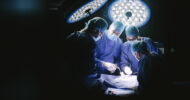
For most of my career, my work has begun at the moment a patient is most vulnerable. As an anesthesiologist, I meet people at the threshold of surgery, often anxious, sometimes in pain, and always placing extraordinary trust in a physician they may have met only minutes earlier. My responsibility is to protect them through an experience they cannot control and, under general anesthesia, cannot describe while it is happening.
That responsibility requires far more than administering medication. Safe anesthesia rests on a working command of physiology, anatomy, pharmacology, and pathophysiology. It requires understanding how disease changes a patient’s response to surgery, how medications interact, how the airway and cardiovascular system may behave, and how quickly a stable situation can change. It also requires thorough preparation, continuous observation, sound judgment, and the ability to act decisively.
These skills allow anesthesiologists to care for patients across the full spectrum of surgery. In an elective case, we anticipate risk and create a plan tailored to the patient and procedure. In an urgent case, we must rapidly identify what matters most and prepare for what may come next. In an emergency, we often make high-stakes decisions with incomplete information and little time. The setting changes, but the standard does not: Understand the physiology, recognize risk, remain vigilant, and care for the person, not merely the procedure.
Anesthesiology has therefore taught me that competence and compassion are not separate parts of medicine. They strengthen one another. A careful preoperative conversation may reveal a previous difficult airway, an unexpected medication, untreated sleep apnea, severe anxiety, or a complication the patient was afraid to mention. Good bedside manner is not a pleasant extra. It creates the psychological safety that helps patients share information, ask questions, and participate in their own care.
Real physician voices, twice a week
Free, and one click to unsubscribe.
Communication is equally essential. Before surgery, patients deserve a clear explanation of what to expect: how anesthesia will be administered, how they will be monitored, how pain and nausea will be addressed, and what recovery may feel like. They also deserve a balanced discussion of meaningful risks, without jargon or unnecessary alarm. When people understand the plan, uncertainty becomes more manageable. That reassurance is not a substitute for technical skill; it is one expression of it.
The operating room also taught me to look beyond a single diagnosis. An anesthetic plan cannot be built from the surgical procedure alone. We consider the patient’s cardiac and pulmonary reserve, kidney and liver function, medications, allergies, nutrition, sleep, substance use, emotional state, previous experiences with anesthesia, and available support after discharge. In other words, anesthesiology has always required whole-person thinking, even when we did not use that term.
That perspective now shapes the way I approach wellness care. Modern medicine is exceptionally good at intervention, and timely intervention saves lives. But as a system, we can give too little attention to the conditions that influence health every day: restorative sleep, nutrition, movement, stress regulation, emotional well-being, and social support. These are not lifestyle footnotes. They affect physiology, recovery, resilience, and a patient’s ability to follow a treatment plan.
Whole-person care does not mean rejecting medication, procedures, or technology. It means using them within a more complete understanding of the patient. A person who is exhausted, chronically stressed, and struggling with mood may need appropriate medical treatment, but also needs a clinician willing to ask about sleep, daily habits, relationships, and sources of distress. A patient who has not improved after several therapies should not be made to feel that they have failed. We should reassess the diagnosis, reconsider the plan, and remain open to evidence-based alternatives while addressing the fundamentals that may be limiting recovery.
This approach is difficult to protect in a health care environment built around speed and volume. Clinicians face real time constraints, documentation demands, and pressure to move quickly. Yet even brief choices can change an encounter. We can review the chart before entering the room. We can sit down, listen without interrupting, and ask one more question. We can explain the plan in plain language and invite the patient to repeat what they understood. We can recognize that fear, confusion, and mistrust have clinical consequences.
The operating room taught me that a patient’s trust is never automatic. We earn it through preparation, presence, communication, and consistent attention to detail. The best care combines scientific rigor with humanity: Understand the anatomy and physiology, know the pharmacology, anticipate the pathophysiology, monitor closely, communicate clearly, and treat every patient with compassion and respect.
Whether the surgery is elective, urgent, or emergent, the patient on the operating table is never simply a case. The same is true in every area of medicine. The whole person is always in the room. And our care is better when we remember that.
Jerron C. Hill is an anesthesiologist.