Skip to content
  • About
  • Contact
  • Contribute
  • Book
  • Careers
  • Podcast
  • Recommended
  • Speaking
  • All
  • Physician
  • Practice
  • Policy
  • Finance
  • Conditions
  • .edu
  • Patient
  • Meds
  • Tech
  • Social
  • Video
    • All
    • Physician
    • Practice
    • Policy
    • Finance
    • Conditions
    • .edu
    • Patient
    • Meds
    • Tech
    • Social
    • Video
    • About
    • Contact
    • Contribute
    • Book
    • Careers
    • Podcast
    • Recommended
    • Speaking

The hidden battle of weight loss: Why dieting alone isn’t enough

Richard A. Lawhern, PhD
Conditions
July 31, 2025
Share
Tweet
Share

Among Americans and Europeans, overweight and obesity are endemic. Excess weight is also a primary or contributing cause and a significant risk factor for many chronic diseases, including diabetes, heart disease, stroke, several cancers, liver and kidney diseases, respiratory and musculoskeletal disorders, and mental health problems.

That being said, one can read any amount of advice we can make time for, concerning dieting or exercise. But a harsh reality persists: Fat cells (adipocytes) are not removed from the body through dietary changes alone. When you lose weight via diet and exercise, the fat cells shrink in size as their stored triglycerides are used for energy, but they remain present in the body.

Once you put on weight, your fat cells will lie in wait for the slightest slip on your part, to expand again — even at the expense of muscle building in a spa or gymnasium, or in daily exercise (jogging, running, aerobic workouts). And you will have food cravings for the rest of your life!

An average size (three-inch diameter) chocolate chip cookie will contain about 180 to 200 calories. After you put this delicious snack in your mouth, it will take serious effort to get it off your hips. For an old man like me (81 years) who has put on weight steadily through 45 years of marriage to an excellent cook who has the personal metabolism of a blast furnace, this is a catastrophe in the making. To burn off that cookie, I would have to be prepared to jog at least two miles at a moderate pace — shin splints and all.

Somehow, I don’t think that is going to happen.

If you value the lives and health of your kids, then two of the first habits that you must create in them are healthy eating and exercise. For a male who is six feet tall and who wants to avoid weight gain despite a sedentary lifestyle, your maximum input should be on the order of 2400 calories (ten chocolate chip cookies OR (not plus) three low-salt/low-sugar meals with a balance of protein, vegetables, and dietary fiber. Computer time and social media involvement must be reduced, and nightly sleep time must be adequate, particularly for adolescents.

For your generation and mine, this battle may already be lost. But for our kids, the cost of freedom (from health problems) will be constant vigilance.

The time to start is now.

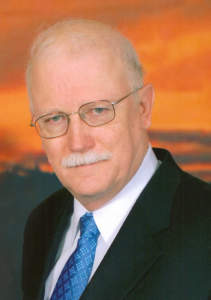
Richard A. Lawhern is a nationally recognized health care educator and patient advocate who has spent nearly three decades researching pain management and addiction policy. His extensive body of work, including over 300 published papers and interviews, reflects a deep critique of U.S. health care agencies and their approaches to chronic pain treatment. Now retired from formal academic and hospital affiliations, Richard continues to engage with professional and public audiences through platforms such as LinkedIn, Facebook, and his contributions to KevinMD. His advocacy extends to online communities like Protect People in Pain, where he works to elevate the voices of patients navigating restrictive opioid policies. Among his many publications is a guideline on opioid use for chronic non-cancer pain, reflecting his commitment to evidence-based reform in pain medicine.

Prev

Why terminal cancer patients still receive aggressive treatment

July 31, 2025 Kevin 0
…
Next

35 years in the ER and the search for an honest life [PODCAST]

July 31, 2025 Kevin 0
…

Tagged as: Nutrition

Post navigation

< Previous Post
Why terminal cancer patients still receive aggressive treatment
Next Post >
35 years in the ER and the search for an honest life [PODCAST]

ADVERTISEMENT

More by Richard A. Lawhern, PhD

  • Modified DSM-5 opioid use disorder criteria for pain patients

    Richard A. Lawhern, PhD
  • Opioid prescribing guidelines ignore metabolism

    Richard A. Lawhern, PhD
  • The frustrating bureaucracy of getting a vaccine

    Richard A. Lawhern, PhD

Related Posts

  • Topoisomerase inhibitors and chronic pain

    L. Joseph Parker, MD
  • Merging the wisdom of pain medicine and addiction medicine to optimize outcomes

    Julie Craig, MD
  • High-deductible health plans: a barrier to care for chronic conditions

    Shirin Hund, MD
  • Unveiling the game-changing diabetic drugs: Revolutionizing weight loss and diabetes management

    Dinesh Arab, MD
  • The unseen battle: America’s veterans and the crisis of chronic pain

    L. Joseph Parker, MD
  • Climate change is exacerbating diseases in vulnerable populations in America and abroad

    Andrew Williams and Jennifer Romanello, MD

More in Conditions

  • What is a loving organization?

    Apurv Gupta, MD, MPH & Kim Downey, PT & Michael Mantell, PhD
  • Why humanity in medicine requires peace with a spine

    Kathleen Muldoon, PhD
  • The loss of community pharmacy expertise

    Muhammad Abdullah Khan
  • Why senior-friendly health materials are essential for access

    Gerald Kuo
  • Why smoking is the top cause of bladder cancer

    Martina Ambardjieva, MD, PhD
  • How regulations restrict long-term care workers in Taiwan

    Gerald Kuo
  • Most Popular

  • Past Week

    • Why feeling unlike yourself is a sign of physician emotional overload

      Stephanie Wellington, MD | Physician
    • The loss of community pharmacy expertise

      Muhammad Abdullah Khan | Conditions
    • Accountable care cooperatives: a community-owned health care fix

      David K. Cundiff, MD | Policy
    • Preventive health care architecture: a global lesson

      Gerald Kuo | Conditions
    • What is a loving organization?

      Apurv Gupta, MD, MPH & Kim Downey, PT & Michael Mantell, PhD | Conditions
    • Modern eugenics: the quiet return of a dangerous ideology

      Arthur Lazarus, MD, MBA | Physician
  • Past 6 Months

    • Direct primary care in low-income markets

      Dana Y. Lujan, MBA | Policy
    • Patient modesty in health care matters

      Misty Roberts | Conditions
    • The U.S. gastroenterologist shortage explained

      Brian Hudes, MD | Physician
    • The Silicon Valley primary care doctor shortage

      George F. Smith, MD | Physician
    • California’s opioid policy hypocrisy

      Kayvan Haddadan, MD | Conditions
    • A lesson in empathy from a young patient

      Dr. Arshad Ashraf | Physician
  • Recent Posts

    • What is a loving organization?

      Apurv Gupta, MD, MPH & Kim Downey, PT & Michael Mantell, PhD | Conditions
    • Why humanity in medicine requires peace with a spine

      Kathleen Muldoon, PhD | Conditions
    • The loss of community pharmacy expertise

      Muhammad Abdullah Khan | Conditions
    • How should kratom be regulated? [PODCAST]

      The Podcast by KevinMD | Podcast
    • Physician leadership communication tips

      Imamu Tomlinson, MD, MBA | Physician
    • Why senior-friendly health materials are essential for access

      Gerald Kuo | Conditions

Subscribe to KevinMD and never miss a story!

Get free updates delivered free to your inbox.


Find jobs at
Careers by KevinMD.com

Search thousands of physician, PA, NP, and CRNA jobs now.

Learn more

Leave a Comment

Founded in 2004 by Kevin Pho, MD, KevinMD.com is the web’s leading platform where physicians, advanced practitioners, nurses, medical students, and patients share their insight and tell their stories.

Social

  • Like on Facebook
  • Follow on Twitter
  • Connect on Linkedin
  • Subscribe on Youtube
  • Instagram

ADVERTISEMENT

ADVERTISEMENT

  • Most Popular

  • Past Week

    • Why feeling unlike yourself is a sign of physician emotional overload

      Stephanie Wellington, MD | Physician
    • The loss of community pharmacy expertise

      Muhammad Abdullah Khan | Conditions
    • Accountable care cooperatives: a community-owned health care fix

      David K. Cundiff, MD | Policy
    • Preventive health care architecture: a global lesson

      Gerald Kuo | Conditions
    • What is a loving organization?

      Apurv Gupta, MD, MPH & Kim Downey, PT & Michael Mantell, PhD | Conditions
    • Modern eugenics: the quiet return of a dangerous ideology

      Arthur Lazarus, MD, MBA | Physician
  • Past 6 Months

    • Direct primary care in low-income markets

      Dana Y. Lujan, MBA | Policy
    • Patient modesty in health care matters

      Misty Roberts | Conditions
    • The U.S. gastroenterologist shortage explained

      Brian Hudes, MD | Physician
    • The Silicon Valley primary care doctor shortage

      George F. Smith, MD | Physician
    • California’s opioid policy hypocrisy

      Kayvan Haddadan, MD | Conditions
    • A lesson in empathy from a young patient

      Dr. Arshad Ashraf | Physician
  • Recent Posts

    • What is a loving organization?

      Apurv Gupta, MD, MPH & Kim Downey, PT & Michael Mantell, PhD | Conditions
    • Why humanity in medicine requires peace with a spine

      Kathleen Muldoon, PhD | Conditions
    • The loss of community pharmacy expertise

      Muhammad Abdullah Khan | Conditions
    • How should kratom be regulated? [PODCAST]

      The Podcast by KevinMD | Podcast
    • Physician leadership communication tips

      Imamu Tomlinson, MD, MBA | Physician
    • Why senior-friendly health materials are essential for access

      Gerald Kuo | Conditions

MedPage Today Professional

An Everyday Health Property Medpage Today
  • Terms of Use | Disclaimer
  • Privacy Policy
  • DMCA Policy
All Content © KevinMD, LLC
Site by Outthink Group

Leave a Comment

Comments are moderated before they are published. Please read the comment policy.

Loading Comments...