Pain management is rarely a blanket approach. Effective relief depends on the specific type of pain, its underlying mechanism, the patient’s comorbidities, age, functional goals, and overall clinical context. This principle is especially important after stroke, where pain is common, often under-recognized, and can significantly hinder rehabilitation, sleep, mood, and quality of life.
Stroke survivors experience several distinct pain syndromes. Distinguishing them matters because treatments differ.
Central post-stroke pain (CPSP)
Central post-stroke pain (also known historically as thalamic pain or Dejerine-Roussy syndrome) is a neuropathic condition caused by a lesion along the spinothalamic or thalamocortical pathways. It most often follows damage to the thalamus (particularly the ventral posterior nucleus or the thalamus-pulvinar border zone), but can also occur with brainstem, internal capsule, or cortical lesions.
Real physician voices, twice a week
Free, and one click to unsubscribe.
Prevalence estimates range from approximately 7 to 14 percent overall, with higher rates after thalamic or medullary strokes. Onset is characteristically delayed, ranging from weeks to months after the stroke, reflecting central sensitization, disinhibition, and network reorganization rather than the acute injury itself. Patients typically describe continuous or intermittent burning, freezing, shooting, or squeezing pain, often accompanied by allodynia or temperature sensory abnormalities. Evidence-based pharmacologic options target central neuromodulation rather than simple analgesia:
- The 2026 AHA/ASA Guideline for Adult Stroke Rehabilitation and Recovery identifies duloxetine, lamotrigine, and amitriptyline as reasonable first-line treatments (Class 2a). Pregabalin or gabapentin may be considered second-line (Class 2b). The guideline also endorses standardized diagnostic criteria for CPSP and supports individualized pharmacologic choices plus multidisciplinary management.
- The Canadian Stroke Best Practice Recommendations (7th edition, 2025 updates) recommend a trial of low-dose centrally acting analgesics for persistent CPSP. Gabapentinoids (gabapentin or pregabalin) are positioned as first-line, with tricyclic antidepressants (e.g., amitriptyline) or SNRIs (particularly duloxetine) as additional options. An individualized, interdisciplinary approach that includes mental-health expertise is strongly advised.
- Tramadol may be useful in selected cases because of its dual mechanism (weak opioid activity plus serotonin-norepinephrine reuptake inhibition). Strong opioids lack robust supporting evidence for CPSP and carry a higher risk.
- Ketamine (NMDA-receptor antagonism) has been explored for refractory cases but is limited by side effects and practical constraints.
Only a minority of patients achieve complete relief with medication alone. Combination therapy and careful titration (especially in older adults) are often required.
Other common post-stroke pain syndromes
Not all pain after stroke is central:
- Hemiplegic shoulder pain is among the most frequent. It arises from weakness, subluxation, rotator-cuff pathology, adhesive capsulitis, or spasticity and is primarily nociceptive or musculoskeletal. It typically appears earlier than CPSP.
- Spasticity-related and contracture pain results from increased muscle tone and restricted joint range.
- Complex regional pain syndrome (CRPS) type I (shoulder-hand syndrome) features regional pain with vasomotor and trophic changes.
- Pre-existing or secondary musculoskeletal pain (back, hip, knee) and headaches are also common.
These conditions often respond better to physical therapy, positioning, range-of-motion programs, botulinum toxin for focal spasticity, or targeted musculoskeletal interventions than to pure neuropathic agents.
Non-pharmacologic and interventional approaches
Because pharmacologic response is frequently incomplete, multimodal care is essential. Options with supporting evidence or clinical utility include:
- Transcutaneous electrical nerve stimulation (TENS) and other peripheral stimulation techniques for more localized pain
- Spinal cord stimulation or motor cortex stimulation in carefully selected refractory cases
- High-frequency repetitive transcranial magnetic stimulation (rTMS) targeting the primary motor cortex, which has shown benefit in meta-analyses for CPSP
- Structured physical and occupational therapy, proper limb positioning, and multidisciplinary pain management
Practical takeaways for clinicians
Accurate diagnosis is the foundation: Confirm the temporal relationship to the stroke, map the pain to the expected sensory territory of the lesion, and exclude competing nociceptive or peripheral causes. Treatment must then be individualized, matching the dominant mechanism while accounting for frailty, cognitive status, depression (itself a pain amplifier), polypharmacy, and patient priorities. Current major guidelines (2026 AHA/ASA and 2025 Canadian Stroke Best Practices) consistently emphasize individualized pharmacologic selection and multidisciplinary care for CPSP.
Post-stroke pain is heterogeneous. Central neuropathic pain driven by disrupted thalamic and spino-thalamocortical pathways requires neuromodulatory agents such as duloxetine, amitriptyline, lamotrigine, or gabapentinoids, sometimes supplemented by tramadol or neuromodulation techniques. Musculoskeletal and spasticity-related pains demand a different toolkit centered on rehabilitation and mechanical correction. By recognizing these distinctions and applying the latest evidence-based, patient-centered strategies, we can reduce suffering and better support recovery.
This essay is cited in the KevinMD record on heart disease.
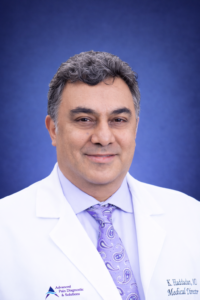
Kayvan Haddadan is a physiatrist and pain management physician, and president and medical director of Advanced Pain Diagnostic & Solutions, a multidisciplinary pain management practice in California that he founded in 2012. A physician and surgeon licensed by the Medical Board of California, he is double board-certified in pain medicine and physical medicine and rehabilitation. He is also certified in controlled substance registration through the DEA and serves as a qualified medical examiner through California’s Department of Industrial Relations Division of Workers’ Compensation.
Dr. Haddadan earned his Bachelor of Science degree from the College of Alborz in Tehran, Iran, and his medical degree from Shahid Beheshti University of Medical Sciences. He later received his Educational Commission for Foreign Medical Graduates certification in Philadelphia, completed an internship in medical surgery at Loyola University Medical Center’s Stritch School of Medicine in Illinois, and finished his residency in physical medicine and rehabilitation at the same institution. He completed his fellowship in pain medicine at California Pacific Medical Center’s Pacific Pain Treatment Center and also trained in medical acupuncture for physicians at the University of California, Los Angeles David Geffen School of Medicine.
Dr. Haddadan has contributed to 29 research publications across multiple specialties, including pain management, cardiology, pulmonology, endocrinology, gastroenterology, and infectious disease. His work has examined topics such as hyperlipidemia in high cardiovascular risk patients, hyperuricemia and gout management, type 2 diabetes and hypertension, chronic obstructive pulmonary disease and asthma therapies, influenza treatment, irritable bowel syndrome, and opioid related complications in chronic pain care. His research has also included clinical outcome studies in spinal cord stimulation and award-winning presentations on neuropathic pain management and neuromuscular disorders.