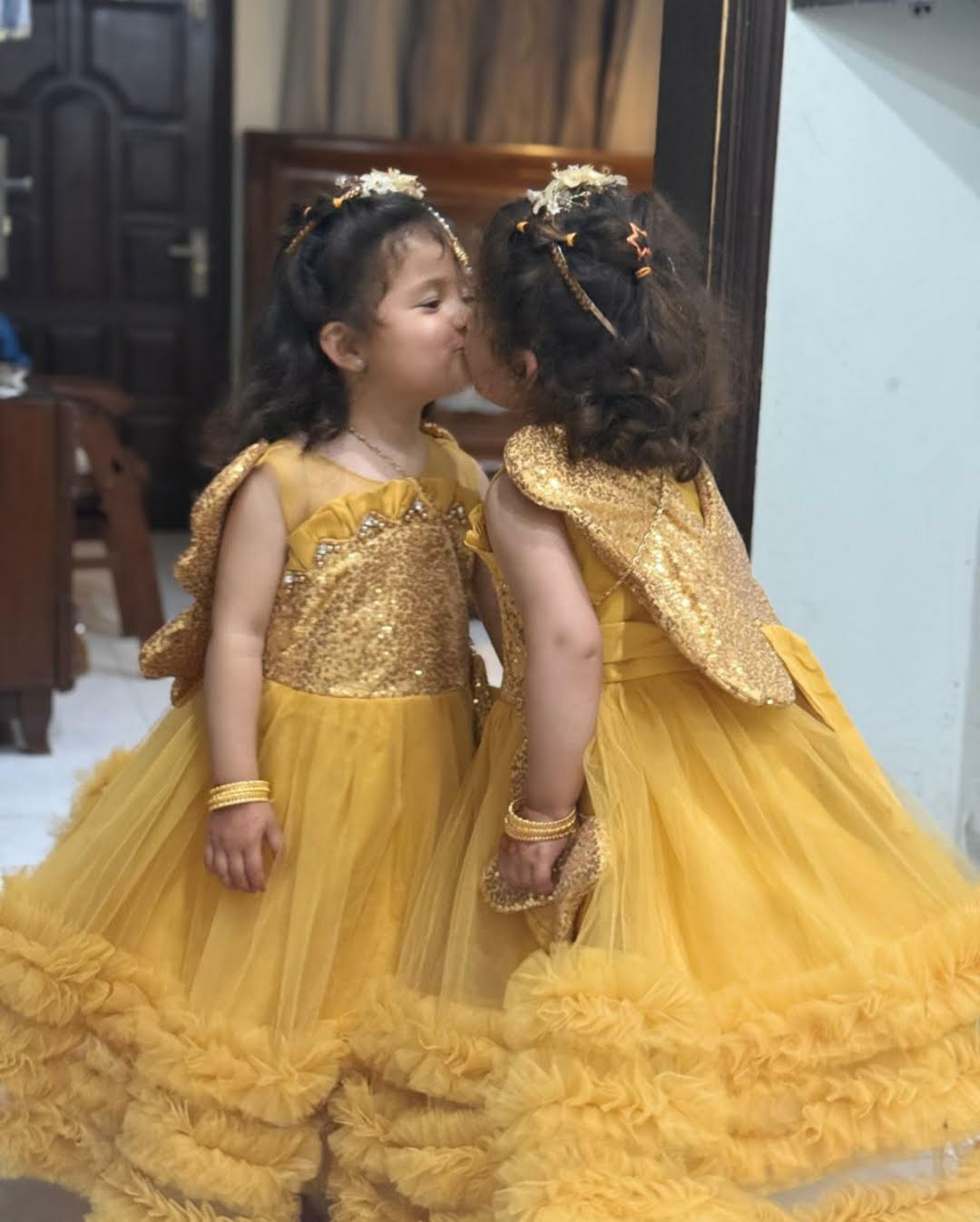
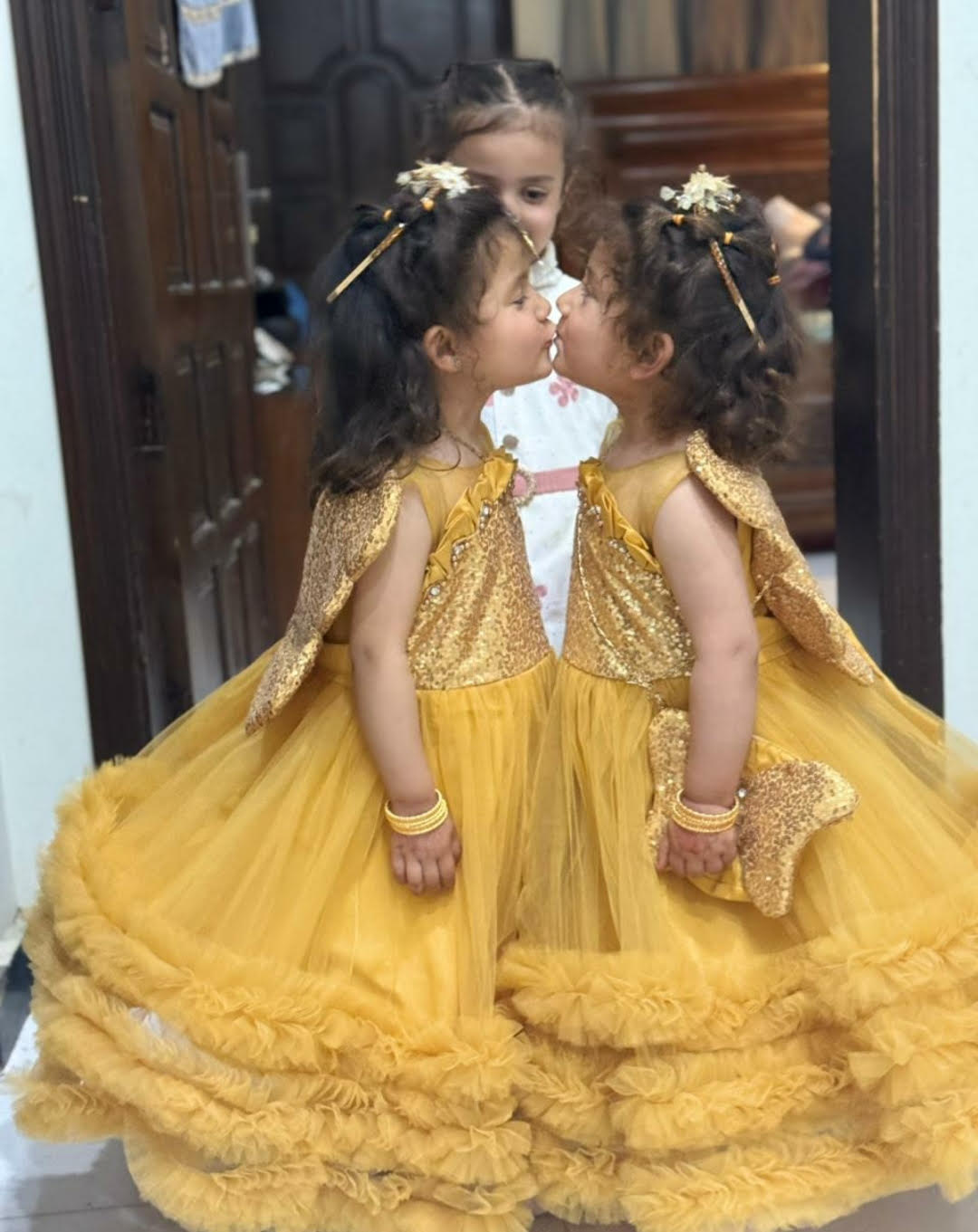
This photo shows one of my patients’ children. (I am sharing the photo with the family’s consent.) Can you guess the secret behind this photo? Let me tell you about the background.
The difficult diagnosis of pregnancy-associated breast cancer
Mrs. U was in her first trimester of pregnancy when she discovered a lump in her right breast. Work-up revealed that it was a highly aggressive form of breast cancer known as triple-negative breast cancer. At the time, she was in her early 30s, and this was her first pregnancy. Such cases are referred to as pregnancy-associated breast cancer (PABC), which is defined as breast cancer diagnosed during pregnancy or within the first year postpartum, occurring in roughly one in every 3,000 pregnancies. Unfortunately, pregnancy-associated breast cancers tend to exhibit more aggressive behavior compared to other types of breast cancers.
These cases are particularly more challenging because they involve the health and well-being of both the mother and the baby. The decision at hand is far more complex than a simple treatment plan, especially compared to other types of breast cancer. The options to consider are overwhelming for both the physician and the patient. Should the pregnancy be terminated? Does the patient want to keep the baby and postpone treatment, which could put her life at risk, or should she undergo chemotherapy? If chemotherapy is chosen, when should it be administered? What agents would be safest to use? Additionally, what type of surgery is necessary? Should it be breast conservation or a mastectomy? If radiation is required, when should it be administered, considering it is also contraindicated?
Real physician voices, twice a week
Free, and one click to unsubscribe.
For a reader without a medical background or for doctors in specialties other than oncology, some of these details may be a bit technical, but let us continue with the rest of the story.
Making the ultimate clinical and maternal choice
Mrs. U was already in her late first trimester when she discovered that she had breast cancer, and this was her first pregnancy. She decided to keep the baby. At this stage of her pregnancy, she could not undergo chemotherapy, as it would have been harmful to the developing fetus. She had to wait until the first trimester had passed and then opted for surgery. By that time, she was approaching her delivery date, so she had to start chemotherapy after giving birth.
After her cesarean section, she consulted us about chemotherapy. We provided her with a treatment plan. Later, she decided to continue her care elsewhere. As happens so often in medicine, our paths diverged, and over time, her story faded into the background of many others.
Until today.
The tragic reality behind the medical charts
Today, a family member of hers reached out to me. She shared a picture of our patient’s baby and told me how much the child has grown. I was overjoyed to see such a beautiful girl. However, I was devastated to learn that our patient had passed away after just the first cycle of chemotherapy. At that time, the child was only six months old.
I shared the above picture with my fellow doctors to discuss the tragic and unfortunate history of our patient. The conversation among the doctors revolved around how the mother’s life might have been saved if she had been diagnosed earlier, had chosen to terminate the pregnancy, or had received a diagnosis in the second trimester, among other factors.
However, as physicians, we often forget that real-life scenarios do not adhere to textbook rules. Medical cases are not multiple-choice questions to be answered based solely on guidelines. They involve actual human lives, influenced by emotions, attachments, family circumstances, support systems, and ultimately, the choices of the patients themselves.
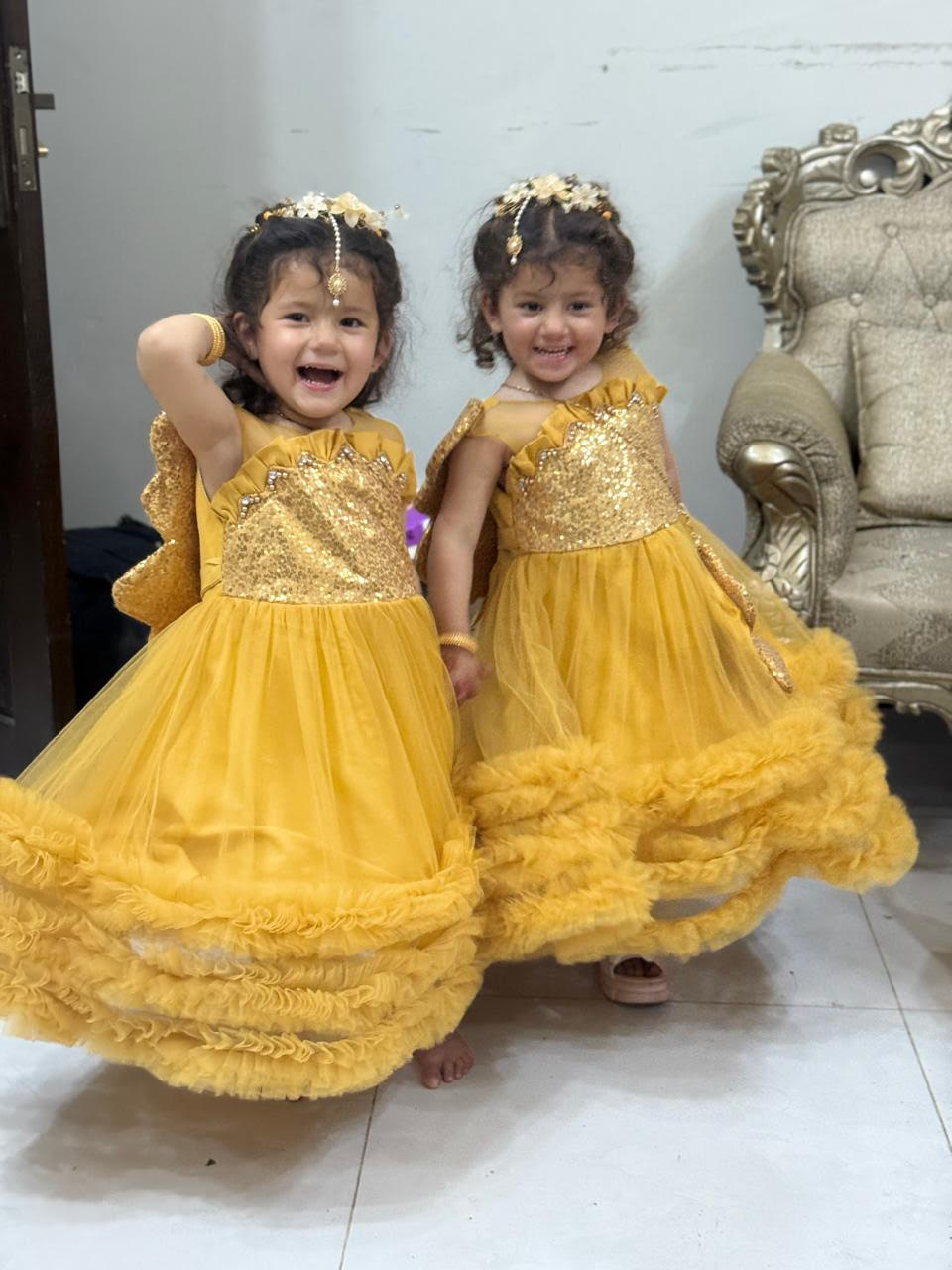
After listening to all the discussion, I revealed the ultimate reason for the mother’s choice: She had twins. It is a reason that no physician could have anticipated, one that may never be fully understood. It is a mother’s choice, a mother’s sacrifice.
You have seen the photo above. Now, look at this picture. This is the reason for her choice.
A reflection on sacrifice and the limits of medicine
Her story has prompted me to reflect on many thoughts. Life is complex, and she had to make a difficult choice, one not between one life versus another, but between one life and two lives. She sacrificed her life to save two others, a decision that no physician could fully comprehend. As physicians, our foresight is limited, and we face so many decisions. We often believe we have the power to make choices, and many times, we do our best. However, there are moments when fate can be cruel, and life can be harsh. Yet, if we look at the cases that have ended on a happier note, we can certainly take pride in our work.
This is the story of a woman who chose to risk everything, not for one life, but for two. And perhaps, in the end, it reminds us of something we often forget, that behind every case is not just a disease, but a life being lived, a choice being made, and a love that does not always follow reason.
I request you all to please say a silent prayer for the deceased and for these young girls. May they always be healthy and happy, and may they remain a beautiful reflection of their mother’s sacrifice. Amen.
Damane Zehra is a radiation oncology resident in Pakistan.