Imagine walking into a busy clinic shift. The pages are going off, patients need attention, and the emotional weight of the work feels heavy on your shoulders. In moments like these, the ancient wisdom of Stoicism can serve as a quiet anchor. Philosophers like Seneca, Marcus Aurelius, and Epictetus understood that life brings many challenges. They taught practical ways to respond with clarity, courage, and compassion. Their reflections on action remind us that it is not about escaping hardship, but about facing it with intention and inner strength.
This mindset pairs wonderfully with modern understanding of how small acts of compassion affect our well-being. Research shows that kind gestures release beneficial brain chemicals such as oxytocin (the bonding hormone), dopamine (the reward chemical), and endorphins. These create a positive cycle that lifts both the person giving and receiving kindness. In health care, where mindfulness means staying fully present with patients even amid chaos, blending Stoic principles with everyday kindness offers a powerful way to reduce burnout and rediscover meaning in caregiving.
Timeless Stoic wisdom made simple and practical
One of Seneca’s insightful observations is that those who suffer before it is necessary often suffer more than they need to. Many health care professionals carry heavy mental loads, worrying about potential complications, difficult conversations, or uncertain outcomes. Stoicism gently encourages us to return our focus to the present moment. Instead of rehearsing future worries, concentrate on the patient right in front of you. Offer your full attention and care now. This small shift can ease unnecessary stress and bring more calm to demanding days.
Real physician voices, twice a week
Free, and one click to unsubscribe.
Marcus Aurelius shared a particularly encouraging idea: The obstacle in your path often becomes the path forward. In the world of health care, this could mean a complex diagnosis, overwhelming workload, staffing shortages, or emotional conversations. Rather than viewing these as dead ends, see them as opportunities to develop greater skill, creativity, and empathy. The challenge itself becomes the training that helps you grow into a stronger, more effective caregiver.
Epictetus wisely noted that when we think we already know everything, it becomes very difficult to learn anything new. Keeping the ego in check opens space for truly hearing patients’ stories, learning from colleagues, and staying humble. This openness is a cornerstone of mindful health care practice, as it fosters deeper connections and ongoing personal growth.
Marcus Aurelius also taught that our happiness depends largely on the quality of our thoughts. When we train ourselves to notice possibilities instead of focusing only on problems, our experience of the day changes for the better. A tough situation can transform into a chance to make a real difference in someone’s life. This thought practice lies at the heart of mindfulness: observing our thoughts without letting them overwhelm us.
Finally, Epictetus offered one of the most empowering reminders: It is not what happens to you, but how you respond that shapes your character. A difficult outcome or stressful shift does not have to define your worth. What matters most is the steady, kind, and professional way you choose to respond.
Practical Stoic habits for everyday resilience
These ideas become truly helpful when turned into simple daily habits. Here are approachable practices you can easily incorporate:
- Begin your morning with a brief moment of quiet reflection: Ask yourself, “What is within my control today, and how can I approach my work with presence and kindness?” This short pause sets a positive and focused tone for the day.
- Pause when you encounter a challenge: Whether it is a complicated patient case, administrative hurdles, or personal tiredness, one can take a brief pause and ask, “What can this teach me? How can it help me become a better clinician or teammate?” This reframing turns frustration into motivation for growth.
- Close your shift with a short inventory: Spend a minute noting one moment when you stayed fully present, one small kind act (no matter how simple), and one thing you managed well despite the difficulties. This builds a sense of gratitude and strengthens your awareness of personal resilience.
- Practice small acts of voluntary discipline: Take a mindful breathing break between patients or enjoy a short walk without checking your phone. These build mental toughness and improve your ability to remain calm under pressure.
- Make kindness a natural part of your mindful approach: Offer genuine listening, a word of encouragement to a colleague, or extra patience with a worried family. These gestures not only support others but also replenish your own energy and sense of purpose.
Mindfulness in health care is often linked to helpful tools like meditation apps or breathing exercises. Stoicism adds valuable depth by connecting inner presence with wise, virtuous action. It invites you to show up fully for your patients, respond thoughtfully during uncertainty, and extend compassion to yourself and those around you.
By gently weaving these Stoic reflections into your daily routine, the uncertainties of health care become more manageable. Challenges will still arise, but they gradually lose their power to overwhelm you. Each shift and each interaction starts to feel like part of a richer, more meaningful journey, where small, intentional actions create positive ripples for your patients, your team, and your own well-being.
The path is open to anyone ready to try. Reflect a little, reframe with optimism, act with kindness, and stay present. Take it one mindful moment at a time. Your resilience will grow naturally, and the care you provide will feel more sustainable and deeply rewarding. Start today and your future self will be grateful you did.
Kayvan Haddadan is a physiatrist and pain management physician, and president and medical director of Advanced Pain Diagnostic & Solutions, a multidisciplinary pain management practice in California that he founded in 2012. A physician and surgeon licensed by the Medical Board of California, he is double board-certified in pain medicine and physical medicine and rehabilitation. He is also certified in controlled substance registration through the DEA and serves as a qualified medical examiner through California’s Department of Industrial Relations Division of Workers’ Compensation.
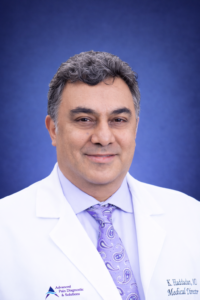
Dr. Haddadan earned his Bachelor of Science degree from the College of Alborz in Tehran, Iran, and his medical degree from Shahid Beheshti University of Medical Sciences. He later received his Educational Commission for Foreign Medical Graduates certification in Philadelphia, completed an internship in medical surgery at Loyola University Medical Center’s Stritch School of Medicine in Illinois, and finished his residency in physical medicine and rehabilitation at the same institution. He completed his fellowship in pain medicine at California Pacific Medical Center’s Pacific Pain Treatment Center and also trained in medical acupuncture for physicians at the University of California, Los Angeles David Geffen School of Medicine.
Dr. Haddadan has contributed to 29 research publications across multiple specialties, including pain management, cardiology, pulmonology, endocrinology, gastroenterology, and infectious disease. His work has examined topics such as hyperlipidemia in high cardiovascular risk patients, hyperuricemia and gout management, type 2 diabetes and hypertension, chronic obstructive pulmonary disease and asthma therapies, influenza treatment, irritable bowel syndrome, and opioid related complications in chronic pain care. His research has also included clinical outcome studies in spinal cord stimulation and award-winning presentations on neuropathic pain management and neuromuscular disorders.