I spent four years driving into rural Ohio for the developmental-behavioral clinics we built from scratch. The drives ran sixty to eighty miles each way, long enough to settle the mind and short enough to memorize every turn. I drove a white 15-passenger van, the kind no state trooper ever bothers to clock. I usually ran five miles over the limit, steady and unremarkable, blending into the landscape like another piece of farm equipment moving between towns.
Those roads showed me “God’s country” in a way no lecture hall ever could. Amish farms stretched across the hills like quilt squares. The Longaberger headquarters rose out of the landscape, a giant basket with windows, a piece of American whimsy planted in the middle of fields. I passed it every time I headed toward Coshocton for the rural program, a landmark that always made me smile. It reminded me that craftsmanship matters, whether you are weaving a basket or building a clinic.
The geography shifted as the miles passed. The flat plains along the Scioto and Olentangy rivers gave way to rolling hills, then to the kind of terrain Ohioans call “mountains” with a straight face. Every so often, an F-16 pilot broke the rules and went supersonic in the valleys. The sonic boom cracked the sky open, a reminder that even in quiet places, someone always pushes the limits.
I never drove alone. I brought the core team with me: PT, OT, speech, psychology, and myself. We packed the van with equipment, clipboards, and LEND trainees eager to learn what real community medicine looked like. Our clinic coordinator rode up front with a laptop and a portable printer balanced on her knees. She printed diagnostic summaries and recommendations on the spot so I could sign them before families left. The drive out was always quiet. People drank strong coffee, reviewed notes, or simply watched the countryside roll by. I navigated from memory; the route etched into my mind after so many trips.
Real physician voices, twice a week
Free, and one click to unsubscribe.
We did not head to hospitals or academic centers. Most of our clinics took place in Sunday school annexes attached to small chapels. The rooms smelled of hymnals, crayons, and the faint sweetness of last week’s potluck. Folding tables became assessment stations. Chalkboards became whiteboards. The pastor or church secretary always greeted us with the same mixture of gratitude and relief.
We were doing God’s work in a house of God.
Families arrived with children who had waited months for answers. Some drove farther than we did. They came because no one else came to them. They came because they trusted us. They came because they had run out of options. And we came because it was the right thing to do.
The work was intense, focused, and deeply human. We listened. We observed. We explained. We reassured. We told the truth gently. We gave families a plan when they had none. We brought the full weight of a multidisciplinary team into a room that usually held Bible study.
On the drive back, the van always felt different. The team opened laptops and started writing notes while the countryside rolled past the windows. The speech pathologist often typed with the speed of someone racing daylight. Once, she had to drive the van home because I had undergone a cholecystectomy only four days earlier. I thought I could handle the trip. I couldn’t. I lasted six hours before the pain in my abdomen forced me to stop. The staples pulled with every movement, and the ache spread across my torso like a warning I did not want to hear. I swallowed an NSAID for the ride home and handed her the keys. She took the wheel without hesitation, and the rest of the team adjusted around the moment the way good teams do.
Those days shaped me as much as any fellowship or faculty appointment. They taught me that medicine lives in relationships, not buildings. They taught me that dignity does not require a hospital tower. They taught me that families will meet you halfway when you meet them where they live.
Those drives were never a burden. They were a privilege, a reminder that the best medicine often happens far from the places that claim to define it.
Ronald L. Lindsay is a retired developmental-behavioral pediatrician whose career spanned military medicine, academic leadership, and national advocacy for dignity-centered neurodevelopmental care. His NIH-funded work with the RUPP Autism Network helped define evidence-based approaches to autism and related developmental disorders.
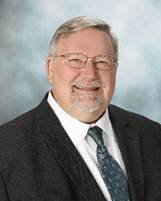
He directed the LEND Program at The Ohio State University and founded JBLM CARES, a $10 million autism resource center for military families. His writing spans clinical scholarship and long-form fiction. He is the author of The Mercy Directive and the six-novel Cassandra series, a completed political and medical fiction saga tracing the rise of the Cassandra system from its origins to its national and international legacy. His forthcoming memoir, The Quiet Architect, examines how conscience and structure collide in modern medicine.
He shares updates on LinkedIn.