My patient lay in the hospital bed approaching end of life. We had a plan to get the patient to an inpatient setting for active symptom management for end-of-life care. Everything was in place until we got a denial from the insurance for coverage for inpatient end-of-life care. The reason for denial was “lack of medical necessity.” The rage I have felt experiencing this situation over my decade-long experience as a physician in the inpatient setting is indescribable. This denial for my patient added to the family’s stress. It did not stop the dying process, but it added to another worry for the family who were already grappling with an uncertain future.
My patient’s daughter was upset. I shared in that sense of rage with her. It would take a week between a peer-to-peer, subsequently an appeal, after which the same insurance company that had once rejected authorization now approved. The same patient with the same symptoms now met criteria for acute inpatient end-of-life care, but my patient’s body was not in a state for transport. Hypotension to the low seventies was now her normal state, and she had progressed further along the dying syndrome. Transport, while feasible, seemed unsafe, as we did not want her to die en route to her destination. It felt unethical, unkind, and uncomfortable. My patient died on the med-surg unit after waiting for insurance auth for acute inpatient end-of-life care. We all knew she was dying, but we had hoped for it to have occurred in a different setting, a place where end-of-life care was the language spoken by all clinicians.
I am sure this experience is common for many of us caring for patients who are seriously ill in a hospital setting. It is sad that our health care system has prioritized the bureaucratic processes designed by stakeholders motivated by cost-saving metrics over bedside clinicians. Federal oversight reports from 2022 and 2026 suggest that these concerns extend beyond my experience, as they noted that some Medicare Advantage organizations’ denials of authorization requests raised concerns around the enrollee’s access to medically necessary care. This American health care system is shameful for all the ways in which it deprives patients from accessing the needed care at every level of illness, including death and dying. The indignity of denial seems like a crushing blow to grieving family members and adds to the frustration everyone on the health care team feels.
As we think about medical care, it is important to understand the complexities that accompany care for the dying patients and make more efforts to ensure dying patients can access medically appropriate, compassionate, and safe care. It should be no surprise that no one is tracking this information. Indignity in life, and in this case in death, is a systemic ill impacting our national care delivery. Based on the CDC’s latest data from 2024, upwards of 34 percent of Americans were dying in a hospital setting. However, there is no tracing of how many of these deaths were among patients terminally ill, or how many of these patients were receiving end-of-life care, or whether there were any insurance-related denials of coverage. If we do not study the issues impacting the lives of our patients, I am afraid current systems continue to fail vulnerable people.
Real physician voices, twice a week
Free, and one click to unsubscribe.
As our society ages, the needs of all patients must be prioritized in a caring, humane manner. While a lot of time is spent discussing the value of palliative care and more specifically palliative care near end of life, hospice care, accessing medically appropriate care remains a huge challenge for many patients across the nation due to a host of challenges, including insurance-related factors. Our systems need to do a better job of documenting the challenges facing dying patients and their families, and perhaps one day, in a fairer, equitable, and compassionate system of care, humans at their most vulnerable would get the care they need in a place that is best suited for them.
Sameen Farooq is a Muslim physician in New York City. He is an assistant professor of medicine at Albert Einstein College of Medicine, and his work spans both inpatient hospital medicine and community-based hospice care. He is board certified in internal medicine, addiction medicine, palliative and hospice medicine, and obesity medicine.
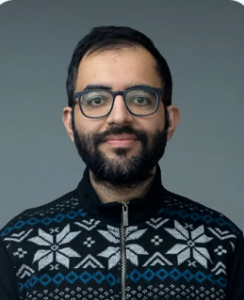
His scholarly work spans serious illness care, substance use disorders, and the ethics of decision-making for patients without advocates. He is the lead author of a Palliative Care Network of Wisconsin Fast Fact on serious illness considerations for the unrepresented and adult orphans, and a coauthor of research in Substance Abuse on a pilot overdose education and naloxone distribution program for hospitalized general medical patients.
Outside his work as a doctor, he is always trying to figure out how to make the perfect cup of Pakistani chai, incorporate walking and spiritual reflection into his daily routine, and enjoy his time with family and friends.