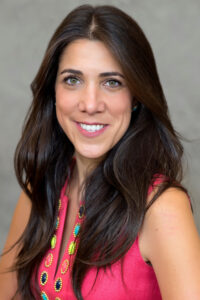
Patricia De Marco Centeno is a board-certified psychiatrist specializing in consultation-liaison psychiatry, and she currently serves as a psychopharmacology consultant at the California Department of State Hospitals. She received additional training in reproductive mental health through the University of Southern California at the Maternal Wellness Clinic at Los Angeles County Medical Center.
De Marco has helped establish perinatal mental health programs at large health systems in Orange County, California, and facilitated the development of local protocols for the screening, assessment, and treatment of women during pregnancy, postpartum, and fertility treatment. She formerly served as behavioral health medical director for the County of Orange, where she helped oversee Medicaid-based mental health services for patients living with serious mental illness.
Her research spans controlled substance disclosure among psychiatric outpatients, quality of life in anorexia nervosa, and the management of mental illness in obstetric inpatients, with work appearing in the Journal of Psychiatric Practice and Eating Disorders and presented at the American Psychiatric Association Annual Meeting. She coauthored Beyond the Birth Plan, a workshop offered through the Maternal Mental Health Program at Hoag Hospital, and has spoken on expert panels addressing women's health, hormones and mental health, and mental health leadership for audiences convened by Hoag Hospital, Cigna, and the Young Presidents' Organization. Her commentary has appeared in the Los Angeles Times Daily Pilot and Parenting OC, and her expertise has been cited in Parents.com and TheEveryMom.com. She shares updates on LinkedIn.
Modern health care is problematic for patients suffering from psychiatric emergencies. But for women suffering from postpartum psychosis, the combination of misinformation and fragmented care is distinctly dangerous.
Without biomarkers, the sensitivity of psychiatric diagnoses relies on detailed evaluations, serial visits, and collateral information. If systems of care are not designed around this rubric, the diagnostic tool will not work. Moreover, the variable interpretation of laws governing confidentiality and autonomy can …
Read more…
Postpartum psychosis misdiagnosis can delay urgent care
When a baby is born, people stop acting like themselves. Gruff grown-ups make goofy faces at infants. Nostalgic moms share their birthing experiences with pregnant strangers. Shy kids clamber onto strollers of babies they don’t know, just to coo at newborns.
In some cases, emotions brought up during this motherhood transition can become intense and get in the way of day-to-day functioning, much more severe than the “baby blues.” There are …
Read more…
Communities can help women cope with maternal depression


















