Skip to content
  • About
  • Contact
  • Contribute
  • Book
  • Careers
  • Podcast
  • Recommended
  • Speaking
  • All
  • Physician
  • Practice
  • Policy
  • Finance
  • Conditions
  • .edu
  • Patient
  • Meds
  • Tech
  • Social
  • Video
    • All
    • Physician
    • Practice
    • Policy
    • Finance
    • Conditions
    • .edu
    • Patient
    • Meds
    • Tech
    • Social
    • Video
    • About
    • Contact
    • Contribute
    • Book
    • Careers
    • Podcast
    • Recommended
    • Speaking

Why the U.K. junior doctor strike matters

Patrick Hudson, MD
Physician
November 7, 2025
Share
Tweet
Share

In mid-November, thousands of junior doctors in Britain will again step away from their posts. Not for comfort. Not for gain. For something harder to name.

They have been praised as heroes and treated as expendable, thanked in speeches while their pay erodes and their patience thins. I heard one young doctor say she still loves medicine, but cannot serve a system that sees her as replaceable. She stayed through staff shortages, night shifts that blurred into day, and holidays spent under fluorescent light. But what broke her wasn’t fatigue. It was the knowledge that her loyalty had become a resource to be mined.

That realization, that compassion can be twisted into compliance, is what most medical strikes are really about.

Duty and defiance

Doctors are trained to stay.
They are trained to keep going.
And place the patient first.

But if that instinct to serve becomes the thing that keeps harm alive, obedience turns dangerous. The line between care and complicity is dangerously thin.

Withdrawing is not betrayal. It is fidelity of a different kind. The courage to say no, not to medicine itself, but to the bargain that distorts it. To walk away for a moment so that healing might one day mean what it once did.

That is why this strike matters. It is not a refusal to care. It is a refusal to pretend.

The cost of staying

Every doctor knows the pull of conscience: the feeling that you cannot leave until the last note is signed, the last patient seen. You tell yourself that one more shift will help, that the system will fail without you. But that is the lie that holds everything together.

In Britain, the health service runs on guilt. On the moral elasticity of those who cannot say no. Governments depend on it. The public expects it. And those inside the machine keep supplying it, until they begin to break.

A strike reveals what routine conceals. It shows how fragile “normal” really is. Waiting lists that stretch for months. Trainees who cannot find posts. Senior doctors who no longer believe their work has meaning.

The absence makes visible what the presence has been hiding all along.

The impact of absence

When doctors withdraw, the silence that follows is not empty. It speaks. It says: This is what happens when we are gone.

For patients, it brings fear. For officials, embarrassment. For the doctors themselves, guilt and grief in equal measure.

ADVERTISEMENT

Each missed appointment leaves a mark. Yet returning to work unchanged leaves another. The moral burden doubles. It is not a calculation one can solve.

And so the accusations come: irresponsible, ungrateful, disloyal. But the deeper irresponsibility lies elsewhere, in the institutions that made such protest necessary, that taught generations of doctors that endurance was the same thing as virtue.

What needs to be heard

Across the ocean, physicians in the U.S. are watching. Many recognize the pattern. Different system, same disease. Administrators counting revenue instead of recovery. Colleagues driven past endurance. The same language of duty, the same slow corrosion of meaning.

The lesson from Britain is not about pay. It is about dignity. The right to say: Enough. To claim one’s vocation back from those who have turned it into a transaction.

The moral significance of withdrawal lies not in absence but in what absence reveals. The courage to stop, briefly, so that something truer might begin again.

Doctors are not machines. When they refuse to be treated as such, that refusal is not selfishness. It is remembrance of what medicine was meant to be. Of what it could still become.

Patrick Hudson is a retired plastic and hand surgeon, former psychotherapist, and author. Trained at Westminster Hospital Medical School in London, he practiced for decades in both the U.K. and the U.S. before shifting his focus from surgical procedures to emotional repair—supporting physicians in navigating the hidden costs of their work and the quiet ways medicine reshapes identity. Patrick is board-certified in both surgery and coaching, a Fellow of the American College of Surgeons and the National Anger Management Association, and holds advanced degrees in counseling, liberal arts, and health care ethics.
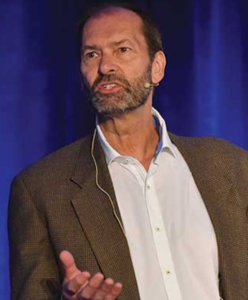
Through his national coaching practice, CoachingforPhysicians.com, which he founded, Patrick provides 1:1 coaching and physician leadership training for doctors navigating complex personal and professional landscapes. He works with clinicians seeking clarity, renewal, and deeper connection in their professional lives. His focus includes leadership development and emotional intelligence for physicians who often find themselves in leadership roles they never planned for.

Patrick is the author of the Coaching for Physicians series, including:

  • The Physician as Leader: Essential Skills for Doctors Who Didn’t Plan to Lead
  • Ten Things I Wish I Had Known When I Started Medical School

He also writes under CFP Press, a small imprint he founded for reflective writing in medicine. To view his full catalog, visit his Amazon author page.

Prev

How to adopt AI in health care responsibly

November 7, 2025 Kevin 0
…
Next

The collapse of developmental pediatrics

November 7, 2025 Kevin 0
…

Tagged as: Surgery

Post navigation

< Previous Post
How to adopt AI in health care responsibly
Next Post >
The collapse of developmental pediatrics

ADVERTISEMENT

More by Patrick Hudson, MD

  • The geometry of communication in medicine

    Patrick Hudson, MD
  • Why doctors strike: a matter of survival

    Patrick Hudson, MD
  • Complicity vs. protest: a doctor’s choice

    Patrick Hudson, MD

Related Posts

  • I was trolled by another physician on social media. I am happy I did not respond.

    Casey P. Schukow, DO
  • Osler and the doctor-patient relationship

    Leonard Wang
  • Be a human first and a doctor second

    Sarah Murad
  • International medical graduates ease the U.S. doctor shortage

    G. Richard Olds, MD
  • The food-drug interaction risks your doctor may be missing

    Frank Jumbe
  • A faster path to becoming a doctor is possible—here’s how

    Ankit Jain

More in Physician

  • Why U.S. health care outcomes lag behind other nations

    Ariane Marie-Mitchell, MD, PhD, MPH
  • The 3 E’s: a physician-created framework for healing burnout

    Tomi Mitchell, MD
  • Mind-body connection in chronic disease: Why traditional medicine falls short

    Shiv K. Goel, MD
  • Physician exploitation: Why burnout is the wrong diagnosis

    Tina F. Edwards, MD
  • Physician shortage and private equity: the ruin of U.S. health care

    John C. Hagan III, MD
  • Pediatrician vs. grandmother: Choosing love over medical advice

    Jessie Mahoney, MD
  • Most Popular

  • Past Week

    • The blind men and the elephant: a parable for modern pain management

      Richard A. Lawhern, PhD | Conditions
    • The dangers of oral steroids for seasonal illness

      Megan Milne, PharmD | Meds
    • Catching type 1 diabetes before it becomes life-threatening [PODCAST]

      The Podcast by KevinMD | Podcast
    • Joy in medicine: a new culture

      Kelly D. Holder, PhD & Kim Downey, PT & Sarah Hollander, MD | Conditions
    • Physician asset protection: a guide to entity strategy

      Clint Coons, Esq | Finance
    • Why U.S. health care outcomes lag behind other nations

      Ariane Marie-Mitchell, MD, PhD, MPH | Physician
  • Past 6 Months

    • The blind men and the elephant: a parable for modern pain management

      Richard A. Lawhern, PhD | Conditions
    • Is primary care becoming a triage station?

      J. Leonard Lichtenfeld, MD | Physician
    • Psychiatrists are physicians: a key distinction

      Farid Sabet-Sharghi, MD | Physician
    • Why feeling unlike yourself is a sign of physician emotional overload

      Stephanie Wellington, MD | Physician
    • The U.S. gastroenterologist shortage explained

      Brian Hudes, MD | Physician
    • Accountable care cooperatives: a community-owned health care fix

      David K. Cundiff, MD | Policy
  • Recent Posts

    • Why U.S. health care outcomes lag behind other nations

      Ariane Marie-Mitchell, MD, PhD, MPH | Physician
    • How political polarization causes real psychological trauma [PODCAST]

      The Podcast by KevinMD | Podcast
    • The quiet bravery of breast cancer screening

      Michele Luckenbaugh | Conditions
    • How automation threatens medical ethics principles

      Muhammad Mohsin Fareed, MD | Conditions
    • When to test for pediatric seasonal allergies

      Dr. Tanya Tandon | Conditions
    • A doctor’s humbling journey through prostate cancer recovery [PODCAST]

      The Podcast by KevinMD | Podcast

Subscribe to KevinMD and never miss a story!

Get free updates delivered free to your inbox.


Find jobs at
Careers by KevinMD.com

Search thousands of physician, PA, NP, and CRNA jobs now.

Learn more

Leave a Comment

Founded in 2004 by Kevin Pho, MD, KevinMD.com is the web’s leading platform where physicians, advanced practitioners, nurses, medical students, and patients share their insight and tell their stories.

Social

  • Like on Facebook
  • Follow on Twitter
  • Connect on Linkedin
  • Subscribe on Youtube
  • Instagram

ADVERTISEMENT

ADVERTISEMENT

  • Most Popular

  • Past Week

    • The blind men and the elephant: a parable for modern pain management

      Richard A. Lawhern, PhD | Conditions
    • The dangers of oral steroids for seasonal illness

      Megan Milne, PharmD | Meds
    • Catching type 1 diabetes before it becomes life-threatening [PODCAST]

      The Podcast by KevinMD | Podcast
    • Joy in medicine: a new culture

      Kelly D. Holder, PhD & Kim Downey, PT & Sarah Hollander, MD | Conditions
    • Physician asset protection: a guide to entity strategy

      Clint Coons, Esq | Finance
    • Why U.S. health care outcomes lag behind other nations

      Ariane Marie-Mitchell, MD, PhD, MPH | Physician
  • Past 6 Months

    • The blind men and the elephant: a parable for modern pain management

      Richard A. Lawhern, PhD | Conditions
    • Is primary care becoming a triage station?

      J. Leonard Lichtenfeld, MD | Physician
    • Psychiatrists are physicians: a key distinction

      Farid Sabet-Sharghi, MD | Physician
    • Why feeling unlike yourself is a sign of physician emotional overload

      Stephanie Wellington, MD | Physician
    • The U.S. gastroenterologist shortage explained

      Brian Hudes, MD | Physician
    • Accountable care cooperatives: a community-owned health care fix

      David K. Cundiff, MD | Policy
  • Recent Posts

    • Why U.S. health care outcomes lag behind other nations

      Ariane Marie-Mitchell, MD, PhD, MPH | Physician
    • How political polarization causes real psychological trauma [PODCAST]

      The Podcast by KevinMD | Podcast
    • The quiet bravery of breast cancer screening

      Michele Luckenbaugh | Conditions
    • How automation threatens medical ethics principles

      Muhammad Mohsin Fareed, MD | Conditions
    • When to test for pediatric seasonal allergies

      Dr. Tanya Tandon | Conditions
    • A doctor’s humbling journey through prostate cancer recovery [PODCAST]

      The Podcast by KevinMD | Podcast

MedPage Today Professional

An Everyday Health Property Medpage Today
  • Terms of Use | Disclaimer
  • Privacy Policy
  • DMCA Policy
All Content © KevinMD, LLC
Site by Outthink Group

Leave a Comment

Comments are moderated before they are published. Please read the comment policy.

Loading Comments...