I am no poster boy. I deal with significant physical challenges and mobility issues. The toll continues. I face major medical procedures in the coming year, the price of decades spent serving others while refusing to serve the system. I am actively planning my eventual funeral, which many in my field are likely looking forward to. I served the people, not the system. That choice was the death knell for any award from leaders who care more about their resumes than about the populations we serve.
The currency of insider recognition
The archetype is familiar. Stability at one practice for an entire career. Papers written to be noncontroversial, designed to avoid risk or debate. Citations that remain modest but safe. Advancement through knowing the right people, sitting on the right committees, and playing the political game. The ritual is a performance of politeness, but behind the scenes, it requires compromising integrity to maintain status. That is the currency of insider recognition.
Choosing service over stability
I lived differently. I carried families through deserts of neglect. I built programs, testified, and helped thousands. My work has been widely cited across disciplines, far beyond the thresholds that insiders typically reach. I led major research trials, founded independent consulting practices, and wrote testimony that demanded accountability. But because I refused to play the political game to secure titles, I was ostracized from committees and denied awards.
Real physician voices, twice a week
Free, and one click to unsubscribe.
And I resurrected programs. At a major university, I took a dead, defunct, and defunded initiative and breathed life back into it. What was once abandoned became a multimillion-dollar program, fulfilling national requests to continue serving people with health disparities. Later, when successors and competitors tried to dismantle it, federal agencies intervened to protect the program. That intervention was not for me, but for the families who depended on it.
The cost of conscience
I lost my physical and mental health in the service of others. I saw patients while undergoing chronic medical treatments, while others left work for minor ailments. I burned out and eventually retired from active practice.
Some recognized my service. The military honored me with a medal that I still truly value. I earned recognition in competition among top hospitals and universities. I won the admiration of national health leadership for proving and executing concepts that provided health care to forgotten, isolated populations. I won awards for health care delivery from national professional organizations before professional rivalries led to my exclusion.
The contrast is stark. Award winners often served affluent populations, their host institutions limiting access to the underserved because profit demanded it. I faced consequences for resisting such unethical conditions of employment. They won recognition for stability. I lost employment for conscience. They won medals for resumes. I carried scars for service.
A legacy of truth
The system rewarded conformity. I chose disruption. The system rewarded resumes. I chose service. The system rewarded silence. I chose testimony.
At a family member’s grave site, scrap metal hunters stole a military service marker for the brass. I was surprised the headstone wasn’t toppled because it bore the branch of service. That desecration mirrored the erasure I’ve lived: service ignored, sacrifice discounted, dignity stolen. The graveyard became a metaphor for the profession itself: honor stripped for profit, legacy desecrated by those who never carried the weight.
Bitter? Perhaps. And I have every right to be. But bitterness is not the end of the story. It is the ledger of truth. It is the record of a physician who refused to conform, who chose action over optics, and who still believes leadership must be learned and earned.
“Power concedes nothing without a demand. It never did and it never will.”
— Frederick Douglass
“The best way to find yourself is to lose yourself in the service of others.”
— Mahatma Gandhi
“Imagination is more important than knowledge.”
— Albert Einstein
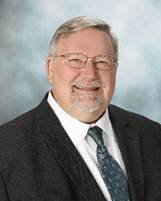
Ronald L. Lindsay is a developmental-behavioral pediatrician.