Many doctors hear “the United Nations Sustainable Development Goals” and assume the subject belongs to diplomats, ministers, and development agencies. It does not. Doctors advance the Sustainable Development Goals every day, often without naming them. The United Nations’ 2030 Agenda includes 17 goals designed as an integrated framework for human well-being, equity, prosperity, sustainability, and partnership. They are meant to work together, not in silos. That matters because health does not stand alone. It rises or falls with poverty, food, education, housing, gender equity, work, clean water, public trust, and the environment.
The intersection of health and global goals
Most doctors immediately recognize Sustainable Development Goal 3, good health and well-being. That is the obvious one. But good medicine also supports Sustainable Development Goal 1, no poverty, because illness and poverty feed each other. A doctor who prevents complications, avoids unnecessary hospitalizations, supports rehabilitation, or helps a patient stay functional is not just treating disease. That doctor is protecting income, reducing household instability, and lowering the financial shock of illness. The same is true for Sustainable Development Goal 8, decent work and economic growth. Helping a patient stay employable, return to work safely, or avoid long-term disability is economic medicine as much as clinical medicine.
Doctors also serve Sustainable Development Goal 2, zero hunger, and Sustainable Development Goal 6, clean water and sanitation, by treating malnutrition, dehydration, unsafe living conditions, infections linked to poor sanitation, and chronic diseases worsened by food insecurity. These are not side issues. The World Health Organization states that the conditions in which people are born, grow, live, work, and age, along with access to power, money, and resources, strongly shape health inequities.
Real physician voices, twice a week
Free, and one click to unsubscribe.
Advancing education, equality, and sustainability
Education matters too. Doctors promote Sustainable Development Goal 4, quality education, when they teach patients, mentor trainees, support health literacy, and help young people stay healthy enough to learn. They promote Sustainable Development Goal 5, gender equality, by taking women’s pain seriously, protecting maternal health, addressing gender bias in diagnosis, and supporting women in medical leadership. They promote Sustainable Development Goal 10, reduced inequalities, by improving access for poor, rural, disabled, migrant, and marginalized patients.
The work also extends beyond the clinic walls. Doctors promote Sustainable Development Goal 11, sustainable cities and communities, by speaking up for safer housing, cleaner air, injury prevention, addiction services, and community-based care. They promote Sustainable Development Goal 13, climate action, because climate change harms health directly and also worsens the social determinants of health, especially for vulnerable populations. Greener health care, prevention, and disaster preparedness are now part of responsible medicine.
Strengthening institutions and forging partnerships
Doctors can even influence Sustainable Development Goal 16, peace, justice, and strong institutions. Fair care, honest documentation, ethical leadership, due process, anti-corruption, trauma-informed practice, and public trust all strengthen institutions. When doctors defend truth, professionalism, and equity, they help stabilize the social fabric on which health systems depend. And none of this works without Sustainable Development Goal 17, partnerships for the goals. Modern medicine depends on collaboration among nurses, pharmacists, therapists, social workers, public health leaders, schools, community organizations, and policymakers.
Doctors do not need to solve all 17 Sustainable Development Goals. But they should stop assuming that medicine touches only one Sustainable Development Goal. Every doctor who treats the whole person, reduces waste, confronts inequity, supports dignity, and works across sectors is already helping move the Sustainable Development Goals from global aspiration to local action. That is not extra work. That is the full meaning of medicine.
Olumuyiwa Bamgbade is an accomplished health care leader with a strong focus on value-based health care delivery. A specialist physician with extensive training across Nigeria, the United Kingdom, the United States, and South Korea, Dr. Bamgbade brings a global perspective to clinical practice and health systems innovation.
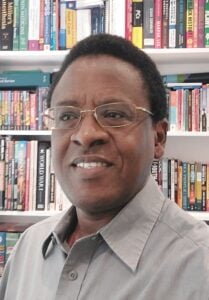
He serves as an adjunct professor at academic institutions across Africa, Europe, and North America and has published 45 peer-reviewed scientific papers in PubMed-indexed journals. His global research collaborations span more than 20 countries, including Nigeria, Australia, Iran, Mozambique, Rwanda, Kenya, Armenia, South Africa, the U.K., China, Ethiopia, and the U.S.
Dr. Bamgbade is the director of Salem Pain Clinic in Surrey, British Columbia, Canada—a specialist and research-focused clinic. His work at the clinic centers on pain management, health equity, injury rehabilitation, neuropathy, insomnia, societal safety, substance misuse, medical sociology, public health, medicolegal science, and perioperative care.