Everyone wants peptides, do you not? That includes Health and Human Services Secretary Robert F. Kennedy Jr. Last week, he announced on the Joe Rogan Experience that the FDA would reverse its restrictions on roughly 14 peptides that were banned from compounding pharmacies in 2023. “My hope is that they’re going to get moved to a place where people have access from ethical suppliers,” he told Rogan, while acknowledging, in nearly the same breath, that the evidence supporting their use has not been fully gathered. Let me be precise about what “has not been fully gathered” means for BPC-157, one of the most popular peptides in question.
BPC-157 (Body Protection Compound 157) is a synthetic peptide derived from a protein found in gastric juice. It has generated impressive preclinical data in rodent models of tissue repair. The total human evidence base consists of:
- A Phase I safety trial of 42 healthy volunteers that was registered in 2015, canceled in 2016, and subsequently never published results
- A retrospective case series of 12 patients with knee pain, with no control group and no validated outcome measure
- A 2025 pilot safety study involving two healthy adults who received intravenous infusions at a single private clinic in Florida
That is a grand total of 14 humans in the published literature. That would not meet the evidentiary threshold for a poster presentation in a medical school conference. This is the compound the HHS secretary wants to make more accessible to millions of Americans. And he announced this plan not at a scientific advisory meeting, not through the FDA’s Pharmacy Compounding Advisory Committee, but on a popular entertainment podcast. I do not raise this to be reflexively opposed to peptide therapy. I am a physician who also runs a practice centered on prevention, metabolic optimization, and longevity, exactly the kind of medicine that takes these biological tools seriously. If BPC-157 demonstrates efficacy and safety in properly designed human trials, I would be among the first to incorporate it. That is how this is supposed to work.
Kennedy’s argument, that the original ban pushed patients toward an unregulated gray market, has a kernel of truth. He even acknowledged this directly: “We created the gray market.” But the solution to a gray market problem is not to remove the regulatory standard. It is to fund the research that would allow these compounds to meet it. BPC-157 has been known since 1992. Over three decades, no pharmaceutical company, no academic medical center, and no government agency has found the existing preclinical data compelling enough to complete a rigorous human trial. That silence is not a conspiracy. It is a signal.
Real physician voices, twice a week
Free, and one click to unsubscribe.
To understand how inverted our relationship with evidence has become, consider what happened the same week Kennedy made his announcement. A Lancet study published in February analyzed individual data from 19 double-blind randomized trials (123,940 people, followed for a median of 4.5 years) and found that 62 of 66 side effects listed on statin product labels were unsupported by the evidence. Statins did not cause memory loss, depression, sleep disturbance, or erectile dysfunction. The confirmed harms: a small increase in liver enzymes, roughly 1 percent muscle symptoms, and a modest rise in blood sugar in patients already near the diabetes threshold.
And yet, in my practice, I watch patients refuse statins weekly, one of the most studied drug classes in the history of medicine, backed by meta-analyses of over 170,000 participants showing a 25 percent reduction in major cardiovascular events, because of side effects that 124,000 people just proved do not exist. Some of these same patients are injecting peptides studied in 14 humans, ordered from websites labeled “for research use only,” based on recommendations from podcasts and influencers. They believe they are the ones doing their own research. The deeper problem is epistemological. We have a population that has learned, correctly, that pharmaceutical companies have lied, that institutions have failed them, and that financial incentives distort medical recommendations. The opioid crisis alone justified a generation of skepticism. But the response has not been better skepticism. It has been the migration of trust from one set of financially motivated actors to another. The compounding pharmacy industry and the wellness clinics that profit from peptide prescriptions have the same economic incentives as the pharmaceutical companies patients are rejecting. The difference is that pharmaceutical companies were required to prove their products work before selling them.
Kennedy’s framing reveals the contradiction at the heart of the MAHA movement. This is an administration that demands food companies prove their ingredients are safe, wants stricter scrutiny of additives and dyes, correctly argues the American public has been subjected to inadequately studied compounds in their food supply, and simultaneously is preparing to expand access to injectable compounds with less human safety data than most food additives it wants to ban. If this administration genuinely wants to make America healthy, the path is not to lower the evidentiary bar for compounds Americans inject into their bodies. It is to raise it, and then fund the research to clear it. Commission the human trials. Require the compounding pharmacies to contribute to a safety registry. Build the evidence base that would allow physicians like me to prescribe these peptides with the same confidence we prescribe a statin. Until then, what we are witnessing is not health policy. It is populism wearing a lab coat, and the Americans it claims to protect deserve better science, not less of it.
This article is discussed on The Podcast by KevinMD in the episode 14 patients studied, thousands injecting: the peptide evidence gap.
Vikas Patel is a board-certified emergency medicine physician, a former U.S. Navy flight surgeon who served as a lieutenant commander, and cofounder of MD Longevity Lab, a precision longevity medicine practice in the Chicago area. He is affiliated with Endeavor Health Elmhurst Hospital. After two decades on the front lines of American emergency rooms, including recognition as Trauma Resident of the Year at John H. Stroger Jr. Hospital of Cook County, one of the nation’s busiest trauma centers, he shifted his focus from treating disease to preventing it.
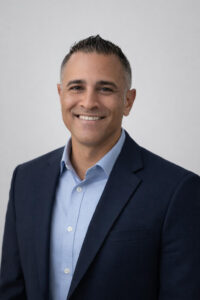
Dr. Patel’s work now centers on longevity science, metabolic health, and strategies to extend healthspan. He cohosts the MD Longevity Lab: Playing the Long Game podcast with his wife, Dr. Nisha Patel, and is the author of the forthcoming book Playing the Long Game: Outliving Evolution and Chronic Disease. His earlier academic work includes publications in Emergency Medicine Reports and the American Journal of Therapeutics.
He shares longevity insights through Substack, YouTube, Instagram, Threads, Bluesky, and LinkedIn. He lives in the Chicago suburbs with his wife and three children.