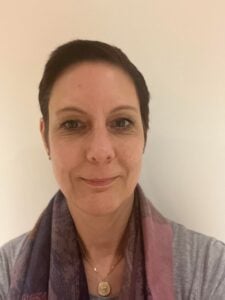
During my medical training in 2004, I was diagnosed with bipolar affective disorder. Prior to my diagnosis, a consultant had told me that having a mental illness recorded in my medical notes would mean the end of my career in medicine. He was wrong. I received treatment, completed my training, and became a consultant psychiatrist.
My interest in psychiatry began before my own diagnosis. I was attracted to a specialty that looks at people as a whole and recognizes that treatment is only one part of helping someone recover and live a fulfilling life.
My own experience added a personal dimension. It reinforced my understanding that recovery is about more than managing symptoms. Hope, identity, relationships, and purpose matter too. A diagnosis may be part of someone’s story, but in itself it does not define who they are, what they can achieve, or what their future might hold.
I have now worked as a consultant psychiatrist for more than fifteen years, including in senior leadership roles. I am sometimes asked whether having a mental illness has made me a better psychiatrist. I don’t think it has.
Real physician voices, twice a week
Free, and one click to unsubscribe.
I would be uncomfortable with the suggestion that experiencing mental illness somehow makes someone a better clinician or inherently more compassionate. But my own experiences are among the many things that have shaped how I relate to others, both personally and professionally. They have reminded me how little we may know about another person’s circumstances or their abilities. I also know that vulnerability and professional competence can coexist.
Outside of my National Health Service (NHS) career, I became involved with the Doctors’ Support Network. I joined shortly after my diagnosis and realized that there were many other doctors with similar concerns. Many feared not only becoming unwell, but what acknowledging mental illness might mean for their professional identity and career. I became increasingly involved in raising awareness of the challenges faced by doctors with mental health conditions. Across this work, I have repeatedly encountered concerns about stigma, burnout, and barriers to seeking help.
I have seen significant change during my career. Doctors can now speak more openly about mental health, and there is clear guidance from regulators as well as access to confidential specialist services. These are important developments, but policies and services alone are not enough to change the assumptions we make about one another, including within medicine.
Speaking openly about having bipolar disorder can still leave me feeling vulnerable, even after many years of doing so. But there are moments that remind me why being open about my diagnosis matters to me.
Not long ago, a resident doctor training in psychiatry got in touch. She also had a diagnosis of bipolar affective disorder and knew that I had spoken publicly about mine. She wanted to talk to someone who had continued a career in psychiatry while living with the same diagnosis. It was entirely unexpected and really moved me.
I thought back to what I had been told as a young doctor, when my own future in medicine had been called into question. More than two decades later, being open about my diagnosis had become the very reason another doctor felt able to approach me.
It made many years of advocacy worthwhile.
Angelika Luehrs is a U.K. consultant psychiatrist and senior medical leader. She is co-chair of the Doctors’ Support Network and has a longstanding commitment to challenging stigma surrounding mental illness in the medical profession. Her interests include doctors’ well-being, compassionate leadership, and improving mental health care.