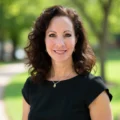


















Maggie Mahar: “This is because socioeconomic status includes access to health care and a variety of other factors. Even if when the poor have insurance, they are less likely to have access to cutting-edge medical discoveries; they’re more likely to smoke, more likely to be obese, more likely to live in unsafe or unhealthy environments. They also tend to be less educated, meaning that they are less able to manage chronic diseases.”
"Socioeconomic status is the strongest predictor of health"
Real physician voices, twice a week
Free, and one click to unsubscribe.
Keep reading







The Podcast
Latest episodes
Most popular
Shy doctors can lead: imposter syndrome and the path to physician leadership
Hidden fees in employer health plans are about to come out
Physician pay won’t budge for one doctor. Negotiate as a group.
Bringing a newborn home? What hospitals don’t tell new parents
Fired for seeing her own patients: moral injury and life after medicine
U.S. health care won’t be fixed until everyone can see a doctor
Joining a private practice? Get the partnership terms in writing first.