Skip to content
  • About
  • Contact
  • Contribute
  • Book
  • Careers
  • Podcast
  • Recommended
  • Speaking
  • All
  • Physician
  • Practice
  • Policy
  • Finance
  • Conditions
  • .edu
  • Patient
  • Meds
  • Tech
  • Social
  • Video
    • All
    • Physician
    • Practice
    • Policy
    • Finance
    • Conditions
    • .edu
    • Patient
    • Meds
    • Tech
    • Social
    • Video
    • About
    • Contact
    • Contribute
    • Book
    • Careers
    • Podcast
    • Recommended
    • Speaking

Why doctors must ask for help before burnout escalates

Diane W. Shannon, MD, MPH
Physician
September 6, 2025
Share
Tweet
Share

“If you are reluctant to ask the way, you will be lost.”
– Malay proverb

When I was struggling with burnout during training, I did not seek help.

Even when called into the office of the revered, stately, totally intimidating chair of the department, because he had “heard I was having trouble coping.”

Nope. I saw that as a sign that I needed to do a better job of hiding my lack of coping.

When I contemplated leaving clinical practice a few years later, I did not seek help. No mentor, coach, or understanding colleague. I figured there was no helping me, that finding a path to a career that did not consume one’s personal life might be possible for others, but not for me. I was reluctant to ask the way.

I love the work I do today and do not regret the journey, but I believe my clinical career could have been saved if I had asked the way.

Why are we so averse to help in medicine? When do we acquire the belief that we cannot show any needs, that only our patients can be vulnerable that way? And, whatever the cause, how do we dismantle this limiting belief?

These questions have always been important, and they are even more important today, when physicians in droves are cutting back on their clinical hours, leaving for nonclinical careers, and retiring early.

I am certain that a large portion of those making the choice to cut back or leave would stay if they were able to access strategic, targeted, compassionate help. I have seen that turnaround happen for my clients over and over again.

When I say “help,” I am not talking about handholding or “resilience” training. I am talking about tactical support to implement effective changes in how they think, approach work, separate from work, prioritize their time, and communicate with patients, coworkers, and leaders.

People who become physicians have many strengths, including being detail-oriented, altruistic, persevering, capable of self-sacrifice, and willing to delay gratification for long periods of time. These strengths are rewarded in training and by employers. But they hold within them the seeds of our destruction, because they ask us to be superhuman, never revealing our needs, including our need for occasional help and direction.

If this sounds familiar, do not cut back or leave clinical practice until you have accessed whatever help you need to find the places where you have the power to do things differently. You will not regret it.

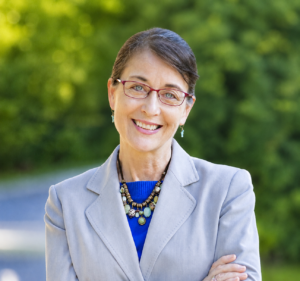
Diane W. Shannon is an internal medicine physician and physician coach.

ADVERTISEMENT

Prev

Why medicine is like a jazz solo

September 6, 2025 Kevin 0
…
Next

The backbone of health care is breaking

September 6, 2025 Kevin 1
…

Tagged as: Primary Care

Post navigation

< Previous Post
Why medicine is like a jazz solo
Next Post >
The backbone of health care is breaking

ADVERTISEMENT

More by Diane W. Shannon, MD, MPH

  • How physician coaching helps restore energy reserves

    Diane W. Shannon, MD, MPH
  • Mindfulness in the journey: Finding rewards in the middle

    Diane W. Shannon, MD, MPH
  • Why doctors struggle with setting boundaries

    Diane W. Shannon, MD, MPH

Related Posts

  • Combating physician burnout: the case for subsidized vacations

    Angel Garcia Otano, MD
  • Why doctors must fight health misinformation on social media

    Olapeju Simoyan, MD
  • Female physician burnout and its impact on patient care

    Raya Iqbal
  • From burnout to balance: a lesson in self-care for future doctors

    Seetha Aribindi
  • Almost half of health care workers are not doctors and nurses. Health policies must address their burnout too.

    Irving Gold
  • In the absence of physician mentorship, who will train the next generation of primary care clinicians?

    Kenneth Botelho, DMSc, PA-C

More in Physician

  • A 6-step framework for new health care leaders

    All Levels Leadership
  • Why health advocacy needs foresight and backcasting tools

    Dr. Lind Grant-Oyeye
  • How system strain contributes to medical gaslighting in health care

    Alan P. Feren, MD
  • Why tele-critical care fails the sickest ICU patients

    Keith Corl, MD
  • Difficult patients in medical history

    Joan Naidorf, DO
  • Why every physician needs a sabbatical (and how to take one)

    Christie Mulholland, MD
  • Most Popular

  • Past Week

    • Will AI replace primary care physicians?

      P. Dileep Kumar, MD, MBA | Tech
    • What is the minority tax in medicine?

      Tharini Nagarkar and Maranda C. Ward, EdD, MPH | Education
    • Why the U.S. health care system is failing patients and physicians

      John C. Hagan III, MD | Policy
    • Putting health back into insurance: the case for tobacco cessation

      Edward Anselm, MD | Policy
    • Why every physician needs a sabbatical (and how to take one)

      Christie Mulholland, MD | Physician
    • Retail health care vs. employer DPC: Preparing for 2026 policy shifts

      Dana Y. Lujan, MBA | Policy
  • Past 6 Months

    • Why patient trust in physicians is declining

      Mansi Kotwal, MD, MPH | Physician
    • How environmental justice and health disparities connect to climate change

      Kaitlynn Esemaya, Alexis Thompson, Annique McLune, and Anamaria Ancheta | Policy
    • Will AI replace primary care physicians?

      P. Dileep Kumar, MD, MBA | Tech
    • A physician father on the Dobbs decision and reproductive rights

      Travis Walker, MD, MPH | Physician
    • What is the minority tax in medicine?

      Tharini Nagarkar and Maranda C. Ward, EdD, MPH | Education
    • Is tramadol really ineffective and risky?

      John A. Bumpus, PhD | Meds
  • Recent Posts

    • Urological analysis of delayed cancer diagnoses in political figures [PODCAST]

      The Podcast by KevinMD | Podcast
    • The economics of prevention: Why an ounce is worth a pound

      Joshua Mirrer, MD | Conditions
    • Methamphetamine-induced lung injury: the hidden diagnosis in South Texas

      Shiv K. Goel, MD | Conditions
    • A 6-step framework for new health care leaders

      All Levels Leadership | Physician
    • The cost of ignoring pharmacist clinical judgment in health care

      Muhammad Abdullah Khan | Conditions
    • 10,000 steps before lunch: How a retired doctor models prevention

      Gerald Kuo | Conditions

Subscribe to KevinMD and never miss a story!

Get free updates delivered free to your inbox.


Find jobs at
Careers by KevinMD.com

Search thousands of physician, PA, NP, and CRNA jobs now.

Learn more

Leave a Comment

Founded in 2004 by Kevin Pho, MD, KevinMD.com is the web’s leading platform where physicians, advanced practitioners, nurses, medical students, and patients share their insight and tell their stories.

Social

  • Like on Facebook
  • Follow on Twitter
  • Connect on Linkedin
  • Subscribe on Youtube
  • Instagram

ADVERTISEMENT

ADVERTISEMENT

  • Most Popular

  • Past Week

    • Will AI replace primary care physicians?

      P. Dileep Kumar, MD, MBA | Tech
    • What is the minority tax in medicine?

      Tharini Nagarkar and Maranda C. Ward, EdD, MPH | Education
    • Why the U.S. health care system is failing patients and physicians

      John C. Hagan III, MD | Policy
    • Putting health back into insurance: the case for tobacco cessation

      Edward Anselm, MD | Policy
    • Why every physician needs a sabbatical (and how to take one)

      Christie Mulholland, MD | Physician
    • Retail health care vs. employer DPC: Preparing for 2026 policy shifts

      Dana Y. Lujan, MBA | Policy
  • Past 6 Months

    • Why patient trust in physicians is declining

      Mansi Kotwal, MD, MPH | Physician
    • How environmental justice and health disparities connect to climate change

      Kaitlynn Esemaya, Alexis Thompson, Annique McLune, and Anamaria Ancheta | Policy
    • Will AI replace primary care physicians?

      P. Dileep Kumar, MD, MBA | Tech
    • A physician father on the Dobbs decision and reproductive rights

      Travis Walker, MD, MPH | Physician
    • What is the minority tax in medicine?

      Tharini Nagarkar and Maranda C. Ward, EdD, MPH | Education
    • Is tramadol really ineffective and risky?

      John A. Bumpus, PhD | Meds
  • Recent Posts

    • Urological analysis of delayed cancer diagnoses in political figures [PODCAST]

      The Podcast by KevinMD | Podcast
    • The economics of prevention: Why an ounce is worth a pound

      Joshua Mirrer, MD | Conditions
    • Methamphetamine-induced lung injury: the hidden diagnosis in South Texas

      Shiv K. Goel, MD | Conditions
    • A 6-step framework for new health care leaders

      All Levels Leadership | Physician
    • The cost of ignoring pharmacist clinical judgment in health care

      Muhammad Abdullah Khan | Conditions
    • 10,000 steps before lunch: How a retired doctor models prevention

      Gerald Kuo | Conditions

MedPage Today Professional

An Everyday Health Property Medpage Today
  • Terms of Use | Disclaimer
  • Privacy Policy
  • DMCA Policy
All Content © KevinMD, LLC
Site by Outthink Group

Leave a Comment

Comments are moderated before they are published. Please read the comment policy.

Loading Comments...