Skip to content
  • About
  • Contact
  • Contribute
  • Book
  • Careers
  • Podcast
  • Recommended
  • Speaking
  • All
  • Physician
  • Practice
  • Policy
  • Finance
  • Conditions
  • .edu
  • Patient
  • Meds
  • Tech
  • Social
  • Video
    • All
    • Physician
    • Practice
    • Policy
    • Finance
    • Conditions
    • .edu
    • Patient
    • Meds
    • Tech
    • Social
    • Video
    • About
    • Contact
    • Contribute
    • Book
    • Careers
    • Podcast
    • Recommended
    • Speaking

Physician income vs. burnout: Why working harder fails

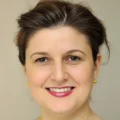
Jerina Gani, MD, MPH
Physician
November 26, 2025
Share
Tweet
Share

I strongly believe that working harder in medicine is making us as doctors poorer, and it’s quietly harming patients too. Not because we don’t care, but because rushing destroys the very thing patients need most: Time, attention, and real care.

Let me explain.

If you’re a medical doctor or another primary care clinician, you’ve probably heard this your whole career: “Work harder. Work faster. See more patients. Push more. Do more.” And for years, maybe decades, you’ve believed it.

I believed it too. I thought the path to success in medicine was simple: Be a hard worker. Be dedicated. Compress your schedule. Fit more into every hour.

But here’s the truth we were never taught, the truth many doctors learn too late: Working harder in medicine does not make you richer. It makes you tired. It makes you sloppy. It makes you burned out. And ironically, it actually makes you poorer.

Let me explain why I believe so:

Reason #1: Rushing destroys value (for patients and for your income)

For years, I saw patients every 15-20 minutes. It looked “productive” on paper, but it was financially terrible.

Why?

Because when you rush:

  • You miss opportunities to address real medical issues
  • You don’t document properly
  • You can’t capture the value of the care you’re already giving
  • You underbill
  • You don’t have time to provide preventative care
  • You burn out faster

You end that day exhausted and still behind. And you don’t even get paid for half of the work you actually did. That is the burnout trap.

Reason #2: More patients does not mean more income (more value per patient means more income)

This is the shift nobody teaches us in medical school. Medicine rewards quality, not speed. It rewards thoroughness, not rushing. It rewards documentation, not heroism.

In my primary care career of 20 years, only in the last few years, when I finally changed my schedule (fewer days, longer visits) my income increased. Not because I worked harder, but because I worked smarter and gave patients the level of care they actually deserved.

I went from full week-long, nonstop, exhausting days to only three energizing working days per week. I went from 22 rushed visits to only 16 but meaningful, thorough visits per day. I stopped missing problems and issues. I stopped underbilling. I stopped losing revenue by being overwhelmed.

And the result?

ADVERTISEMENT

My income increased to more than when I worked full-time, while my quality of life increased even more. That’s not magic. That’s math.

Reason #3: Burnout kills your income, and your joy

When you are drained:

  • You chart less thoroughly
  • You avoid complex issues
  • You miss opportunities for preventative care
  • You see patients as tasks, not people
  • You stop loving medicine

And when you stop loving medicine, everything collapses. Your income. Your patience. Your empathy. Your health. Your dreams. Burnout is not just emotional. It’s financially devastating.

So what’s the solution?

It’s not working harder. It’s not squeezing more into your day. It’s learning how to do the following:

  • Structure your schedule
  • Maximize the value of every visit
  • Provide deeper care in less time
  • Improve documentation without working at night
  • Use preventive care to elevate earnings and outcomes
  • Eliminate wasted energy
  • Rebuild balance and joy in your practice

That’s exactly what I was finally able to achieve, and if you agree I think you can definitely do so as well. Because every doctor deserves the chance to work fewer hours, earn more, and finally breathe again.

You became a healer to save lives, not to sacrifice your own. And you deserve a career that pays you fairly for the incredible, life-changing work you already do.

The burnout trap is real, but so is the way out.

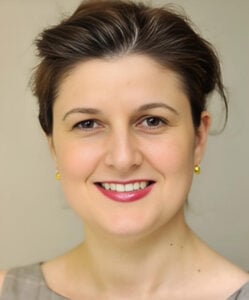
Jerina Gani graduated with high honors from medical school in Albania, Europe, in 1992. She later earned a Master of Science degree in Health Services Management from the London School of Hygiene and Tropical Medicine in the United Kingdom. In 1995, she relocated to the United States and completed her residency training in internal medicine in Brooklyn, New York. Since then, she has practiced as a primary care physician in Boston, Massachusetts. With decades of experience in the medical field, Dr. Gani is deeply committed to transforming primary care into a model of success and balance. Her professional focus emphasizes improving health care delivery while maintaining physician well-being. Dr. Gani shares her insights and strategies for achieving these goals through her platform at Dr. Gani Secrets, where she engages with health care professionals and the broader community.
Prev

Our relationship with medicine: a triumph

November 26, 2025 Kevin 0
…
Next

Autism prevalence surveillance: a reckoning, not a crisis

November 26, 2025 Kevin 0
…

Tagged as: Primary Care

Post navigation

< Previous Post
Our relationship with medicine: a triumph
Next Post >
Autism prevalence surveillance: a reckoning, not a crisis

ADVERTISEMENT

More by Jerina Gani, MD, MPH

  • The hidden rewards of a primary care career

    Jerina Gani, MD, MPH
  • Unity in primary care: Why I believe physicians and NPs/PAs must work together toward the same goal

    Jerina Gani, MD, MPH
  • The overlooked power of billing in primary care

    Jerina Gani, MD, MPH

Related Posts

  • Combating physician burnout: the case for subsidized vacations

    Angel Garcia Otano, MD
  • Female physician burnout and its impact on patient care

    Raya Iqbal
  • How physician burnout and system reform are shaping the future of U.S. health care

    Irim Salik, MD
  • More physician responsibility for patient care

    Michael R. McGuire
  • The health care system will cause its own physician shortage

    Advait Suvarnakar and Aashka Suvarnakar
  • In the absence of physician mentorship, who will train the next generation of primary care clinicians?

    Kenneth Botelho, DMSc, PA-C

More in Physician

  • Why we can’t forget public health

    Ryan McCarthy, MD
  • Why pediatric leadership fails without logistics and tactics

    Ronald L. Lindsay, MD
  • The emotional toll of trauma care

    Veronica Bonales, MD
  • Physician leadership communication tips

    Imamu Tomlinson, MD, MBA
  • Why developmental and behavioral pediatrics faces a recruitment collapse

    Ronald L. Lindsay, MD
  • Valuing non-procedural physician skills

    Jennifer P. Rubin, MD
  • Most Popular

  • Past Week

    • The loss of community pharmacy expertise

      Muhammad Abdullah Khan | Conditions
    • Accountable care cooperatives: a community-owned health care fix

      David K. Cundiff, MD | Policy
    • Why fee-for-service reform is needed

      Sarah Matt, MD, MBA | Physician
    • Preventing physician burnout before it begins in med school [PODCAST]

      The Podcast by KevinMD | Podcast
    • What is shared truth and why does it matter?

      Kayvan Haddadan, MD | Physician
    • Reflecting on the significance of World AIDS Day from the 1980s to now

      American College of Physicians | Conditions
  • Past 6 Months

    • Direct primary care in low-income markets

      Dana Y. Lujan, MBA | Policy
    • Patient modesty in health care matters

      Misty Roberts | Conditions
    • The U.S. gastroenterologist shortage explained

      Brian Hudes, MD | Physician
    • The Silicon Valley primary care doctor shortage

      George F. Smith, MD | Physician
    • California’s opioid policy hypocrisy

      Kayvan Haddadan, MD | Conditions
    • A lesson in empathy from a young patient

      Dr. Arshad Ashraf | Physician
  • Recent Posts

    • Preventing physician burnout before it begins in med school [PODCAST]

      The Podcast by KevinMD | Podcast
    • Why we can’t forget public health

      Ryan McCarthy, MD | Physician
    • Why pediatric leadership fails without logistics and tactics

      Ronald L. Lindsay, MD | Physician
    • Why invisible labor in medicine prevents burnout

      Brian Sutter | Conditions
    • The risk of ideology in gender medicine

      William Malone, MD | Conditions
    • The economic case for investing in tobacco cessation

      Edward Anselm, MD | Conditions

Subscribe to KevinMD and never miss a story!

Get free updates delivered free to your inbox.


Find jobs at
Careers by KevinMD.com

Search thousands of physician, PA, NP, and CRNA jobs now.

Learn more

Leave a Comment

Founded in 2004 by Kevin Pho, MD, KevinMD.com is the web’s leading platform where physicians, advanced practitioners, nurses, medical students, and patients share their insight and tell their stories.

Social

  • Like on Facebook
  • Follow on Twitter
  • Connect on Linkedin
  • Subscribe on Youtube
  • Instagram

ADVERTISEMENT

ADVERTISEMENT

  • Most Popular

  • Past Week

    • The loss of community pharmacy expertise

      Muhammad Abdullah Khan | Conditions
    • Accountable care cooperatives: a community-owned health care fix

      David K. Cundiff, MD | Policy
    • Why fee-for-service reform is needed

      Sarah Matt, MD, MBA | Physician
    • Preventing physician burnout before it begins in med school [PODCAST]

      The Podcast by KevinMD | Podcast
    • What is shared truth and why does it matter?

      Kayvan Haddadan, MD | Physician
    • Reflecting on the significance of World AIDS Day from the 1980s to now

      American College of Physicians | Conditions
  • Past 6 Months

    • Direct primary care in low-income markets

      Dana Y. Lujan, MBA | Policy
    • Patient modesty in health care matters

      Misty Roberts | Conditions
    • The U.S. gastroenterologist shortage explained

      Brian Hudes, MD | Physician
    • The Silicon Valley primary care doctor shortage

      George F. Smith, MD | Physician
    • California’s opioid policy hypocrisy

      Kayvan Haddadan, MD | Conditions
    • A lesson in empathy from a young patient

      Dr. Arshad Ashraf | Physician
  • Recent Posts

    • Preventing physician burnout before it begins in med school [PODCAST]

      The Podcast by KevinMD | Podcast
    • Why we can’t forget public health

      Ryan McCarthy, MD | Physician
    • Why pediatric leadership fails without logistics and tactics

      Ronald L. Lindsay, MD | Physician
    • Why invisible labor in medicine prevents burnout

      Brian Sutter | Conditions
    • The risk of ideology in gender medicine

      William Malone, MD | Conditions
    • The economic case for investing in tobacco cessation

      Edward Anselm, MD | Conditions

MedPage Today Professional

An Everyday Health Property Medpage Today
  • Terms of Use | Disclaimer
  • Privacy Policy
  • DMCA Policy
All Content © KevinMD, LLC
Site by Outthink Group

Leave a Comment

Comments are moderated before they are published. Please read the comment policy.

Loading Comments...