Every day, primary care physicians speak to and counsel patients about controlling blood pressure, lowering cholesterol, maintaining a healthy weight, exercising, and getting preventative cancer screenings. Yet conversations about brain health often don’t happen until patients or their families notice memory problems. Forgetfulness is often thought of as a normal part of aging, and dementia is viewed as something physicians cannot proactively address.
But prevention and risk reduction can, and should, begin years, even decades, before symptoms develop. This is why I believe that brain health should become a routine part of preventative medicine. Just as heart health campaigns, cancer screenings, and diabetes prevention transformed outcomes over the past several decades, the same should be done for brain health.
The science has changed
Alzheimer’s pathology begins long before symptoms start. Growing evidence shows that lifestyle, vascular health, sleep, hearing, mental health, and social engagement all impact dementia risk. And according to the 2024 Lancet Commission, up to 45 percent of dementia cases may be linked to modifiable risk factors.
At the same time, new disease-modifying therapies such as Kisunla and Leqembi, expanding clinical research opportunities, and more sophisticated diagnostic tools are making it possible to identify and treat patients earlier. Early intervention creates opportunities to reduce risk, slow disease progression, and better support patients while treatment options are most effective.
Real physician voices, twice a week
Free, and one click to unsubscribe.
The conversations PCPs should be having with their patients
It’s quite common to hear patients dismiss early symptoms because we’ve been taught to believe that memory problems are simply part of getting older. This assumption is one of the biggest obstacles we face today in the fight against Alzheimer’s disease. If brain health becomes a more routine part of annual physicals, we can hopefully shorten the time between the onset of memory problems and a potential diagnosis and treatment.
Here are a few examples of conversations that physicians can have with patients today that could have a lasting impact:
- The brain/heart connection: What’s good for the heart is also good for the brain. Cardiovascular risk factors are strongly linked to both vascular dementia and Alzheimer’s disease through their impact on cerebral blood flow. Chronic hypertension, insulin resistance, and obesity also drive systemic inflammation, which can accelerate neurodegenerative processes over time.
- Create a good sleep routine: During deep sleep, the brain activates its clearance system, removing metabolic waste products including beta-amyloid. Disrupted or insufficient sleep impairs this process, allowing toxic proteins to build up. Chronic sleep deprivation is associated with reduced cognitive performance and may increase vulnerability to neurodegenerative processes, including Alzheimer’s disease, by accelerating neuronal stress and impairing resilience mechanisms.
- The importance of staying cognitively and socially active: Research shows that people with robust social ties are less likely to develop dementia, showing the profound impact of social connections on brain health and overall cognitive well-being. Maintaining social connections stimulates the brain, promoting the formation of new neural connections. Mental stimulation through puzzles, reading, and learning new skills (such as an instrument or a second language) promotes cognitive reserve, a protective factor against cognitive decline. These “workouts” stimulate the growth of new neural connections, enhancing brain plasticity and resilience. Staying mentally active leads to better memory, attention, and problem-solving skills, which all contribute to a healthier and more resilient brain.
- Brain health is a lifelong investment, and it’s never too early to start: The choices we make midlife, and even before, can affect our cognition when we are older. Small, easy-to-make lifestyle choices add up over time and can have a tremendous impact on our brains. Exercise, a well-balanced diet, proper hydration, limiting alcohol, quitting smoking, and reducing stress are just a handful of lifestyle factors that can impact cognition.
Why primary care physicians matter most
PCPs have longstanding relationships with their patients and are on the front lines of their health journeys. Neurologists or brain health clinics typically only see patients after symptoms begin and a diagnosis is needed. Annual wellness visits present the perfect opportunity to discuss prevention plans. Just as primary care has normalized conversations around cardiovascular risk, cancer screening, vaccines, osteoporosis, and mental health, it must also normalize conversations around brain health.
In a busy general practice, conducting comprehensive cognitive workups for every patient is not always possible. Even a brief conversation can help raise awareness, encourage healthier behaviors, prompt earlier evaluation, and empower patients to take their brain health into their own hands. Not every visit needs an extensive assessment. Asking if they’ve noticed any changes in their memory or talking about easy ways they can protect their brain can kickstart important conversations.
It’s time that the brain gets the same attention in preventative medicine as organs like the heart, lungs, kidneys, and our bones. If brain health is incorporated into routine preventative care, we can not only diagnose cognitive disease like Alzheimer’s earlier, but also help patients preserve their cognitive function before symptoms even begin.
Emer MacSweeney is a world-renowned expert in brain and mind health, including the diagnosis and treatment of Alzheimer’s disease, chronic traumatic encephalopathy (CTE), and other neurodegenerative conditions. She is the cofounder, CEO, and medical director of Re:Cognition Health, which provides a specialist service for the accurate diagnosis and treatment of progressive neurodegenerative and neurodevelopmental conditions, as well as traumatic brain injury, with centers across the United States and the United Kingdom.
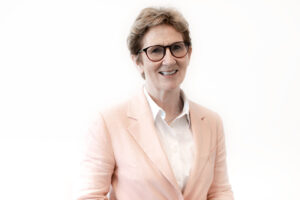
A pioneer in Alzheimer’s research and treatment, Dr. MacSweeney has been involved in clinical trials since the early development of therapies for the disease and was the first clinician in Europe to administer the amyloid-targeting therapy Kisunla outside of a clinical trial. She trained in neuroradiology at The Hospital of Neurology and Neurosurgery, Queen Square, London, specializing in interventional vascular neuroradiology, and spent time on scholarship at Harvard University. Her TEDx talk on CTE and contact sports has been viewed more than five million times worldwide.