
















Introduction
In modern medical practice, the simultaneous delivery of oxygen and monitoring of end-tidal carbon dioxide (ETCO2) via a dual-purpose nasal cannula is a global safety standard. It is mandated by ambulatory surgery corporations, hospital systems, and anesthesia societies worldwide to protect patients from undetected respiratory depression. While corporate patents and academic literature attribute this invention to senior institutional faculty and medical device manufacturers from the late 1980s and early 1990s, the true clinical concept was conceived by a frontline resident whose intellectual property was appropriated. This statement is a formal record of that history.
The innovation concept (1988)
In 1988, while serving as an anesthesiology resident, I was approached by my attending physician regarding the selection of a senior research project. I proposed an original idea: to physically modify a standard oxygen nasal cannula to allow it to simultaneously sample exhaled gases, thereby proving the clinical utility of continuous ETCO2 monitoring in non-intubated, spontaneously breathing patients.
When the attending physician questioned the rationale and value of the project, I presented a three-fold justification:
- Clinical vision: Dedicated ETCO2 monitoring would inevitably transition from an operating room luxury to a standalone, universal patient safety standard.
- Commercial viability: A simple, elegant modification to an existing, high-volume disposable device possessed immense commercial potential.
- Intellectual property: The concept was highly novel and required immediate patent protection.
Institutional appropriation
Three days after presenting this detailed proposal, the attending physician informed me that I was no longer required to complete a senior research project. Trusting the academic hierarchy, I accepted this exemption, assuming it was a gesture of appreciation for my insight.
Real physician voices, twice a week
Free, and one click to unsubscribe.
In reality, the project was reallocated. The concept was brought to fruition utilizing alternative laboratory personnel and resources without my knowledge, consent, or academic attribution. This work ultimately established the clinical framework for the commercial dual-lumen cannulas manufactured globally today. Years later, an investor explicitly confirmed to my daughter, Casey Woody, MD (also an anesthesiology professional), that the venture partners and senior department figures had profited substantially from the commercialization of my original resident proposal.
A full-circle legacy
Though I was denied financial compensation and formal patent recognition, the ultimate validation of this technology came decades later in the most profound manner possible. At the age of ninety-two, my mother underwent surgery for colon cancer. Postoperatively, she suffered a severe opioid overdose in her hospital room. She was saved because she was wearing the exact standalone ETCO2 nasal monitor I had conceptualized in 1988. The device detected her respiratory depression, alerted the clinical team, and allowed her to be successfully resuscitated.
Furthermore, having spent the past twenty-two years practicing within a gastroenterology surgery center, I witnessed the technology become an absolute, mandatory corporate clinical directive. When compliance coordinators demanded I utilize the monitor on every patient, I was able to inform them that they were enforcing a safety standard born from my own resident research proposal.
Conclusion
The official patent registries and medical journals of the late 20th century frequently reflect institutional hierarchy rather than true clinical authorship. While my name does not appear on the multimillion-dollar corporate patents, the intellectual legacy of this safety device belongs to my career. More importantly, its global implementation has saved countless lives, including that of my own mother. This account stands as the true history of the dual-purpose capnography nasal cannula.
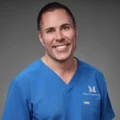
John David Woody is an anesthesiologist.
Your KevinMD author page is one of the top results for your name. Turn it into a premium profile, publish in 1 to 3 days, and get a guaranteed podcast slot.