














I made my way down the hallway to see one of the new patients on my team. Having briefly read about the happenings from overnight, I was a little on edge. Words used in the chart included “unruly, angry, upset, loud, argumentative.” I took a deep breath, knocked on the door, and walked in. There I met my new patient. He was a twenty-six-year-old man admitted for left finger cellulitis, which, per his report, happened after he got his left index finger cut while he was collecting glass bottles to earn some money from the recycling. I took a pause. I began asking him a bit more about his social situation. I quickly learned he was bouncing from street to shelter, was not in touch with his family, and, per his report, just wanted someone to help him get on his feet. He did not have a phone. He did not have any clean clothes. He did not have any money. He was alone. He also felt completely unheard and did not like folks talking down to him.
In some ways, this patient was emblematic of the very real situation facing countless millions in our country: loneliness and social isolation. As per the Centers for Disease Control and Prevention (CDC), loneliness is the subjective perception of being alone or disconnected, and social isolation is defined as the absence of social relationships, social contact, or social support. In the context of New York State, as per the CDC’s Behavioral Risk Factor Surveillance System (BRFSS) survey from 2023, nearly 1 in 3 New Yorkers reported feeling alone. A similar proportion of New York City residents, around 40 percent, categorized themselves as socially isolated in a study by the New York City Department of Health and Mental Hygiene from 2023. My patient was a walking representation of all this statistical data, and as a human being responsible for providing medical care, I had very little recourse, solutions, or answers. While antibiotics would treat the purulent MRSA cellulitis of his left index finger, nothing else I could prescribe would help with his social condition, his loneliness, or lack of social connection. The only thing I could offer him during this time was my presence and active listening.
Now, a lot of what my patient shared with me revolved around his ongoing struggle to figure out a way to deal with all the anxiety, depressive thoughts, and his social circumstances. Some of the solutions that I was recommending or suggesting did not align with his goals or his understanding of what he needed at that time. Some of this included alcohol, fentanyl, and K2 cannabinoid cessation, considering outpatient follow-up with psychiatry, and considering shelter placement through the New York City shelter system or New York State shelter system. However, we figured out things we both agreed were essential. He needed clothes, so between our floor’s social work team effort and some things I had at home that needed to be donated, we were able to get him a few pairs of pants, a sweater, and some underwear and socks. He also wanted some toiletries, so we made a bag of supplies for him from the floor. Lastly, he wanted transportation assistance to a particular address he had; again, our floor social worker was able to provide him with transportation fare. Given the importance of harm reduction, I also provided him with fentanyl and xylazine testing strips and Narcan. Our floor nursing team educated him on Narcan use. Lastly, I prescribed him a course of oral antibiotics to the pharmacy of his choice and gave him a copy of all his test results, so he had the ability to show this to another clinician or provider in case the need arose. He was given the physical address/location of walk-in ambulatory substance use treatment programs and psychiatric clinics in the Bronx and Westchester County. Given his lack of a working phone, no appointments could be scheduled.
This patient left the hospital floor and was discharged to the street. His hospitalization has now served as a great reminder for me of the importance of listening, shared decision-making, patient autonomy, and, above all else, prioritizing immediate human needs. Was this patient’s care plan the safest? No. However, was it directed by the patient, who exercised his agency and made decisions about his own life and circumstances with everything at his disposal? Yes. Sometimes, humanizing others and thinking beyond the perfect outcome may just be the remedy. It should not be lost on us that in a country where money is abundant, there are a great many things that would benefit from increased financial support. These can include investments in tackling homelessness, hunger, and destigmatizing mental health and substance use treatment programs. In the recent November 2026 midterms, campaigns, parties, and outside groups spent nearly $12 billion on political ads, with money from billionaires, corporations of all hues (food, agriculture, pharmaceutical, artificial intelligence), and advocacy groups, including the American Israel Public Affairs Committee (AIPAC). If this money had been spent improving the quality of life of Americans, wouldn’t that have been better? As physicians and numerous other professionals in people-facing jobs sit across from folks being crushed in the crucible of our unequal and often inhumane society, a place to start may just be to let go of what we want for others and try leaning into what they are seeking, if it can be safely done. Casting aside judgment and considering active listening may allow us to treat others with the dignity our society often doesn’t afford its residents. For those who may be thinking, what about personal responsibility? I will only say, many times, in difficult situations, humans make challenging decisions and baffling choices. I hope my patient, like countless many, can seek out the resources he needs to find a better way to cope with difficulties, but judging him, shunning him, and treating him with disdain would not change his circumstances but would diminish our shared humanity.
Real physician voices, twice a week
Free, and one click to unsubscribe.
As holidays approach where we celebrate community, togetherness, and social bonding, if you are at work and come across someone like my patient or countless many in his situation, have a conversation with them; reaffirm their humanity and your own.
Patient details have been changed to protect privacy.
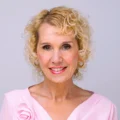
Sameen Farooq is a Muslim physician in New York City. He is an assistant professor of medicine at Albert Einstein College of Medicine, and his work spans both inpatient hospital medicine and community-based hospice care. He is board certified in internal medicine, addiction medicine, palliative and hospice medicine, and obesity medicine.

His scholarly work spans serious illness care, substance use disorders, and the ethics of decision-making for patients without advocates. He is the lead author of a Palliative Care Network of Wisconsin Fast Fact on serious illness considerations for the unrepresented and adult orphans, and a coauthor of research in Substance Abuse on a pilot overdose education and naloxone distribution program for hospitalized general medical patients. He also posts on X and Bluesky.
Outside his work as a doctor, he is always trying to figure out how to make the perfect cup of Pakistani chai, incorporate walking and spiritual reflection into his daily routine, and enjoy his time with family and friends.
Your KevinMD author page is one of the top results for your name. Turn it into a premium profile, publish in 1 to 3 days, and get a guaranteed podcast slot.