

















After nearly four decades practicing anesthesiology, I have heard the same description of my profession countless times: “You’re the doctor who puts people to sleep.”
I understand why. Patients often meet us only minutes before an operation. Later, some cannot recall our names, or even the conversation we had. I made it a personal goal to change that. I wanted patients to know who I was, what I would do, and why they could trust me.
Not because I wanted recognition. Because the relationship mattered.
The privilege of earning trust
Imagine meeting someone for the first time, then entrusting that person with your life. That is what patients and their families do every day. In a brief preoperative conversation, I needed to learn about a patient’s health, identify risks, and develop an anesthetic plan. Just as importantly, I needed to listen. Was this person frightened of not waking up? Of feeling pain? Of losing control?
Real physician voices, twice a week
Free, and one click to unsubscribe.
I tried to explain the plan in terms the patient could understand. If general anesthesia was planned, I explained that it was not ordinary sleep. If we planned regional anesthesia or intravenous sedation, I explained that a patient might remain conscious, hear voices, or remember portions of the experience. Remembering monitors being placed or a nerve block before induction is not the same as being aware during general anesthesia.
I wanted each patient to hear more than a description of drugs and procedures. I wanted them to hear a promise: I would do everything within my ability to take excellent care of them.
Trust cannot be demanded. It must be earned, sometimes in a matter of minutes. I have always considered that an honor and a humbling privilege.
More than unconsciousness
General anesthesia is not natural sleep. It is a deliberately induced, reversible state of unconsciousness, sometimes compared by neuroscientists to a drug-induced coma. Depending on the technique, anesthetic drugs also produce amnesia, pain suppression, and conditions that allow surgery to proceed.
But the patient is not just a brain we render unconscious. The patient is a person whose breathing, circulation, temperature, and organ function can change abruptly under the combined effects of surgery, illness, and powerful medications.
We monitor oxygenation, ventilation, blood pressure, heart rhythm, fluid balance, and much more. More importantly, we interpret what we see and act on it. A falling blood pressure may signal inadequate blood flow to the brain, heart, or kidneys. Significant intraoperative hypotension is associated with postoperative organ injury. What happens during surgery can affect recovery long after the patient leaves the operating room.
A good anesthetic is not simply one from which a patient wakes up. It is one that supports the patient’s health throughout the procedure and into recovery.
Prepared for what no one hopes will happen
Physician anesthesiologists complete four years of medical school and typically four years of postgraduate clinical training; many continue with fellowships in cardiac anesthesia, critical care, pain medicine, obstetric anesthesia, pediatrics, and other fields.
Our expertise must extend across anatomy, physiology, pathology, pharmacology, and physics. We must understand not only what anesthetic medications do, but how a patient’s disease changes the response. We must know the anesthesia workstation, ventilator, monitors, infusion pumps, ultrasound equipment, and airway devices intimately, including what to do if something fails.
We also need to understand the surgery. A change in position, unexpected bleeding, or a particular surgical maneuver can alter the patient’s physiology in seconds.
Before a procedure, I would think: What might go wrong? What will I do first? What is my backup plan?
Anesthesiology teaches us that preparedness is not pessimism. It is a form of caring.
And general anesthesia is only one part of the specialty. We administer spinal and epidural anesthesia, perform ultrasound-guided nerve blocks, and manage different levels of sedation, often combining techniques to meet a patient’s needs. We place intravenous and central venous catheters to deliver fluids, medications, and blood products; arterial catheters allow continuous blood-pressure monitoring and blood sampling. Some anesthesiologists care for critically ill patients in intensive care units or manage pain; others help patients through complex cardiac, vascular, and neurological operations, working with surgeons and perfusionists when specialized organ support is needed.
We also help shape patient-safety practices through hospital committees, teaching, research, and professional organizations. Our responsibilities do not begin and end in one operating room.
The work patients may never see
Anesthesia is team care. Physician anesthesiologists may work alongside certified registered nurse anesthetists, certified anesthesiologist assistants, residents, nurses, surgeons, and other professionals. Respectful communication and collaboration make that care possible.
I have sometimes joked that surgeons get the glory while anesthesiologists are taken for granted. Television medical dramas tend to focus on the surgeon. Yet some of our best work is precisely what never becomes dramatic: a problem anticipated, an airway safely managed, a dangerous change recognized early.
After transferring a patient to the post-anesthesia care unit and giving the recovery nurse a report, I often stopped in the waiting room to speak with the family, when the patient had authorized me to do so. I knew they had been worrying. They deserved to hear how their loved one was doing.
Before leaving the hospital, I sometimes visited patients admitted after surgery to see whether they were comfortable and recovering well. Those visits were not an afterthought. They continued a relationship begun in a few hurried minutes before an operation. Perhaps the patient would remember my name after all. More importantly, I hoped they would remember being treated as a person.
Anesthesiology requires confidence, but it also demands humility. Physiology can surprise even experienced clinicians. We must remain vigilant, keep learning, recognize our limits, and ask for help when needed.
I am proud of the medicine we practice. I am even more conscious of the trust that makes it possible.
We do not simply put people to sleep. We care for them when they cannot care for themselves. And we should never take that privilege lightly.
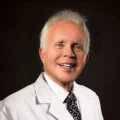
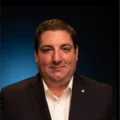
Michael Peck is a retired anesthesiologist with more than 40 years of clinical experience across academic and private practice medicine. He formerly served as an assistant professor at the George Washington University and as co-director of neuroanesthesiology, and he has lectured nationally and internationally on anesthesia and perioperative care.
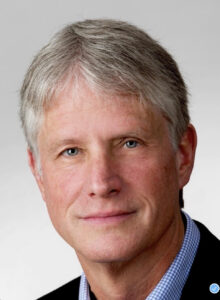
His work has long centered on airway management, patient safety, and medical innovation, including the development of novel airway devices and digital tools built to support clinicians during critical events. His research and writing span neuroanesthesiology, airway complications, cerebral blood flow, and postoperative care, with work appearing in Anesthesia and Analgesia, Anesthesiology, and the Canadian Journal of Anesthesia, along with contributions to textbooks and board review series.
He is the co-developer of Code Runner Pro, a mobile application focused on improving adherence to ACLS and PALS protocols during resuscitations. His interests include medical education, simulation, clinical decision-making under stress, and the intersection of technology and patient care. He shares updates on LinkedIn.
Your KevinMD author page is one of the top results for your name. Turn it into a premium profile, publish in 1 to 3 days, and get a guaranteed podcast slot.