

















Listen and followApple PodcastsSpotifyYouTubeMore apps · Browse all episodes
“Modern parenting comes with challenges that only a modern parent can understand. As both a pediatrician and a mother, I dispense with the advice I wish I had when my daughter was born. While there may be no one way to raise your kids, there are still safe and realistic options that can guide you on your journey. The internet may have broken parenting, but I’m here to fix it.”
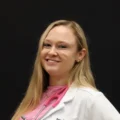
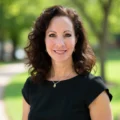
Rebekah Diamond is a pediatrician and author of Parent Like a Pediatrician: All of the Facts, None of the Fear.
She shares her story and discusses her KevinMD article, “The internet broke parenting. This pediatrician can fix it.”
SUBSCRIBE TO THE PODCAST → https://kevinmd.com/podcast
RATE AND REVIEW → https://kevinmd.com/rate
FOLLOW ON INSTAGRAM → https://www.instagram.com/kevinphomd
FOLLOW ON TIKTOK → https://www.tiktok.com/@kevinphomd
GET CME FOR THIS EPISODE → https://earnc.me/OuC6qg
Powered by CMEfy – a seamless way for busy clinician learners to discover Internet Point-of-Care Learning opportunities that reward AMA PRA Category 1 Credit(s)™. Learn more at about.cmefy.com/cme-info
Transcript
Kevin Pho: Welcome to the show, where we share the stories of the many who intersect with our health care system but are rarely heard from. My name is Kevin Pho, founder and editor of KevinMD. Rate and review the show at KevinMD.com/rate. Subscribe at KevinMD.com/podcast. Today on the show, we have Rebekah Diamond. She is a pediatrician, and she’s the author of the book Parent Like a Pediatrician: All of the Facts, None of the Fear. Her excerpt from the book on KevinMD is titled “The internet broke parenting. This pediatrician can fix it.” Rebekah, welcome to the show.
Rebekah Diamond: Thanks so much for having me.
Kevin Pho: So we’ll get into your book and excerpt in a little bit, but first off, briefly share your story and journey to where you are today.
Rebekah Diamond: Yeah, it’s all related. So I’m a pediatrician, and I did my medical school training at Mount Sinai in New York City. I’m from the Northeast. And then I went and did my pediatrics residency at the University of Michigan, which was phenomenal, and around that time, I decided to have a baby. So I was pregnant in residency and did the whole pregnancy and postpartum thing there. I had a residency that was as supportive as they get, but I really struggled, and I really struggled even as a pediatrician to know what to do, which to me was like, “That’s strange. I thought I was supposed to be this baby expert. I thought I was supposed to know things as a pediatrician.” So I was very overwhelmed.
But I made it through, started my job as a pediatric hospitalist at Columbia in New York City, which is where I work now, and tried to do it all, tried to be a mom, a doctor, and follow the American Academy of Pediatrics advice as best I could without losing my mind. It was just really tough. And the reason I wanted to do this book is because I felt like I really didn’t know where to go for parenting advice. At the American Academy of Pediatrics, we make these really good recommendations as best we can, but sometimes they seem a little bit like they’re in a vacuum, and you’re not really sure how you’re going to translate it to your day-to-day life and make it realistic. And you go to your pediatrician appointments, and pediatricians are great, but you never feel like you have enough time there to ask your questions. You always go to the internet, and man oh man, was the internet giving me lots of scary advice.
So the idea behind everything was, let’s find some advice from actual pediatricians and actual parents, which thankfully there are more and more of online these days, so I can tell you where it’s OK to bend the rules and where we’re just doing our best, but where maybe it actually does matter. Like, it really does matter if you get your kids vaccinated. Some places will make it seem like it’s all up for debate. Some things are, and some things aren’t. And so that’s what led me to where I am today.
Real physician voices, twice a week
Free, and one click to unsubscribe.
Kevin Pho: Now, from your experience as a pediatrician, tell me about some of the misinformation that parents typically come to you with that you have to spend time in the exam room or at the hospital trying to dispel.
Rebekah Diamond: Yeah, I mean, honestly, there’s so much, and I think that’s been one of the most frustrating parts of pediatrics. We like to brag and say that before COVID was around and COVID vaccines were around, we were dealing with that misinformation before it was cool, as we say. But vaccine misinformation is something I feel like we’ve been dealing with for decades, and something I certainly dealt with from day one of my training as an intern in residency. And it sparked a lot of what I do, because it was really upsetting, and it always is upsetting to see these parents who are such good parents. They really are doing their research, and they want what’s best for their kids, and they found this information that looks really good, but it’s really driven by profit. It’s really predatory.
And it’s here for the COVID vaccines, and it’s here for the other vaccines. Vaccines are a huge one. There are all sorts of things about feeding and sleep, and there’s really no shortage of misinformation that you could find. But I would say the winner is still vaccines, and that’s what I have to deal with every day.
Kevin Pho: So in your excerpt, you write that the internet broke parenting. So go more into that. How did the internet break parenting?
Rebekah Diamond: I’m not one to say the good old America was better back when, or things were better back when. I don’t really think that. I think our advances have been good, and our recognition of things has been good. That being said, it’s not that things were so much better with parenting back in the day, but there wasn’t this overload of information. And it’s not even just information. It’s this very specific, anxiety-provoking, strict, almost philosophical, and entrenched-beliefs information telling you that you can only be a good parent if you do things exactly this way or follow exactly this blog’s advice.
And I think it’s really hard, especially as an exhausted new parent in a world of understandably mounting anxiety, to look at that and say, “Maybe that doesn’t feel right, but they seem to know what they’re doing. This person is giving their kid exactly 20 minutes of screen time a day, so to say, and giving them organic foods, and not vaccinating or delaying vaccinations. It all looks good. I should probably do that.” And you can find a million different examples of that.
Versus maybe if we had a more reputable, streamlined internet information system, you wouldn’t just be bombarded with all of that stuff all the time, and you might have a moment as a parent to say, “OK, I don’t know exactly what I’m doing, but I have the gist of it. I love my kid. I’m going to give him food and a home, take him to the doctor, take them to school, and tell them I love them in the morning, and that’s pretty good.” And the rest sort of may be what it may.
Kevin Pho: So you did mention information overload, and that’s really, I would guess, the strength and weakness of the internet. And you said parents, busy parents especially, are just bombarded with all this information, and that’s only worsened during COVID. So what are some tips from your standpoint in terms of how parents can sort through all that information and know what’s reliable or not?
Rebekah Diamond: Yeah, that’s a great question, Kevin. I never tell parents, “Don’t look for other information.” It’s not realistic, and it doesn’t make sense either. You should be able to have social networks, and you should be able to look for different things. I think if you could keep the number of sites and the number of platforms you’re looking at, be judicious about them. There’s not a specific number, I would say, but if you’re finding yourself looking at 30 different sites before you feel empowered to make a decision, I would just wonder what’s going on that you don’t feel that sense of, “I know what to do. Maybe let me just check with one or two places.” So that’s a big one.
And then the other one is, of course, just as much as you do your research for these different things, do your research into who you’re listening to. You certainly don’t have to trust me. I don’t know you, and I understand being skeptical, but I put out there what my conflicts of interest are, my motivations, my training, and my approach, and I try to be transparent about that. And if you’re finding that you’re following someone who sells a lot of supplements or has a lot of products they endorse, or something that just feels like maybe they’re getting something out of this, they have a reason to make you feel a certain way, then I would just take a moment and question that. I think those are probably my biggest things.
Kevin Pho: Sometimes a lot of this misinformation comes from other physicians, and you look up their qualifications and their credentials, and they’re all impeccable. They come from these big-name academic medical centers, yet sometimes the information that they’re supporting online isn’t necessarily evidence-based. So how do you advise parents who come across that type of information from supposedly reputable physicians online?
Rebekah Diamond: Yeah, that is honestly just the tragedy these days, one of the many tragedies. And COVID certainly brought a lot of people who, I don’t know if they’re bad actors necessarily, but maybe they were just misinformed themselves or didn’t quite understand how to put things in context, especially around children. The COVID-in-kids debate got a little bit misinformed throughout the course of the pandemic. So it’s really hard. You’re right. It’s not like you can just see someone who says “MD, this school,” looks good, makes sense what they’re saying. There’s so much background and context.
So I think this comes to the point of, it’s another theme in my book, and what I say is the difference between data and science. As a physician, we love evidence-based medicine. We love to talk about, “Where’s the data?” And we even have data-driven parenting as a whole movement right now, and I love the sentiment of it. But like I tell my residents when I’m with them, or parents when I’m on rotations, “Your baby wasn’t the baby in the study. Your kid wasn’t in the randomized controlled trial.” Or maybe there wasn’t a randomized controlled trial, because we don’t have a lot of data, but we have this other biology and common sense, and maybe I know the risks and benefits in a certain way, and I know the risks of something are so bad that I want to avoid them no matter what.
So I think, again, this is really hard and nuanced, but if you don’t see a lot of context in the discussions, like, anything that’s coming off as an extreme, I think, is a red flag. Anything that’s coming with just constant data and not really a lot of discussion about what that means for a human person, I think those are some red flags. But again, this is why it’s so tough out there, and I think you have to build your networks of people and experts who can help you sort through it, which is what I hope to do, and I know my colleagues do. Bring it to your pediatrician. Let us look at it. Maybe we can help you.
Kevin Pho: One of the things I mentioned earlier was a deterioration of patients’ trust in physicians and medical institutions. Have you seen that yourself through your experiences over the last few years?
Rebekah Diamond: Yeah, definitely. COVID was not great for that. It was already hitting issues before that. And again, I’m a pretty critical-of-the-systems person, so I don’t come in and say, “Why don’t patients believe us?” Again, I’m not for the good old days where it was just like, “OK, doc, whatever you say.” I really do welcome challenging the system and challenging some of the real issues that we have, but again, it’s been really misdirected. And so this distrust of vaccines, this distrust of COVID information, yeah, it’s really hard to maintain that therapeutic alliance, like you said. So I definitely see it.
Kevin Pho: We’re talking to Rebekah Diamond. She’s a pediatrician, and she’s the author of the book Parent Like a Pediatrician: All of the Facts, None of the Fear. Rebekah, I’m sure you’re aware there are many parenting books out there. What separates yours from all the other ones out there?
Rebekah Diamond: Yeah, oh man, there are a lot of parenting books. Before I wrote one, I told everyone, “Don’t buy one.” I never followed them. So I appreciate being overwhelmed, again, information overload. I really do think mine is different. I wouldn’t have written one if I thought it was just going to be another parenting book. I honestly don’t have enough free time to devote myself to just, you know, I’m a full-time physician, as most people know.
So this gives you real advice, but it’s not one-size-fits-all advice. It’s not just a recipe for that. And so it’s not an American Academy of Pediatrics, or these different things that are saying, “Do this, do that, here’s what you need to do exactly,” because that doesn’t make sense. But I’m also not the other type of parenting book, which is more or less like, “Here’s why it doesn’t really matter. You shouldn’t be so anxious. Do whatever you want.” And I understand why those books, whether they’re data-driven or guilt-free, and they all have different sorts of names, I understand the appeal of it, because we’ve made things so rigid and complicated.
But I do feel like this is the first book that I found where someone like me was willing to go out there and say, “OK, I’m going to tell you that things actually do matter, but I’m going to deviate from the by-the-book stuff and just give you an approach to understand what the range of options are and how important certain things might be.” I’ll show you the evidence behind it. I won’t be obsessed with the data behind it, but I’ll give you the context, like we were saying. I’ll tell you not just the data on breastfeeding. I’m not going to say, “It has health benefits. Here they are, X, Y, and Z.” But they’re not that big, because I compared it to this. I’ll explain that stuff briefly, but I’ll say, “Here’s how this looks in the modern world. Here’s how I came to my decisions for doing that. And here’s why in this case I would do this, but if you don’t, that’s OK.”
For the vaccine conversation, I give a very long chapter going through it all to say at the end, actually, I said at the beginning, if you don’t want to read it and you want to just go ahead and vaccinate your kid, you can. That’s really the right answer. There really isn’t a reason to go through all this. So nothing’s black and white, but there are some decisions where the range of choices is really narrow, and there are some decisions where the range is really wide. And I really was looking for a book that would have a pediatrician parent who actually would tell you what those choices are.
Kevin Pho: And my final question: Tell me some of the main messages and takeaway points that you want readers to come away with after reading your book.
Rebekah Diamond: Yeah, I just want parents to feel empowered. I really want that. I want them to feel confident. I want them to realize that they really do know how to do this. They love their kids. And while it’s OK to ask questions, to doubt yourself and doubt others, and even distrust the medical system, that’s all fine, it’s also OK to just trust what you’re doing, partner with your medical provider, do what works for you, and listen to science. Science has a little bit of a bad rap these days. We don’t have to be rigid and follow data completely, but we can use science. Science is good.
We talk a lot about how things used to be in the natural world, or where things used to be for babies before we had all these industrial toxins and all this stuff, and that’s a complicated topic. But the reality is, back in the old days, a lot of kids died, a lot of babies died, and bad things happened. And so you can be a holistic, overarching, loving parent with a healthy distrust of the medical system and still want to take advantage of science to help your kids. And ultimately, that’s all pediatricians want. That’s all we want for you. So hopefully, we can start to repair that parent-pediatrician divide. I think it’s about time.
Kevin Pho: Rebekah, thank you so much for sharing your time and insight, and thanks again for being on the show.
Rebekah Diamond: Thank you so much.
Listen and followApple PodcastsSpotifyYouTubeMore apps · Browse all episodes