
Every physician has seen it.
A healthy young woman gives birth, recovers from the immediate demands of pregnancy and childbirth, and returns to the responsibilities of work and family. Years later, often decades later, she presents with chronic knee pain, hip discomfort, lower back pain, or declining mobility. Eventually, some of these women progress to knee replacement surgery.
We usually regard these events as unrelated. Perhaps they are not.
The question deserves greater attention because women bear a disproportionate burden of knee osteoarthritis. Worldwide, women account for approximately 60 percent of people living with osteoarthritis, and the disparity becomes increasingly apparent after midlife. Numerous epidemiologic studies have confirmed that knee osteoarthritis is more common and often more severe in women than in men. Several investigations have also reported a higher long-term prevalence of knee osteoarthritis and knee replacement among parous women compared with nulliparous women. These observations do not establish causation. Genetics, aging, obesity, occupation, physical activity, and hormonal changes all contribute. Nevertheless, they raise an important and surprisingly underexplored question: Could restoring optimal biomechanics after childbirth reduce some of that long-term risk?
Pregnancy is one of the most remarkable biological adaptations in human life. To prepare for childbirth, the body temporarily remodels itself. Hormonal changes increase ligamentous laxity, the pelvis widens, posture shifts, the center of gravity moves forward, and muscles throughout the abdomen, pelvis, hips, and lower extremities adapt to accommodate the growing fetus. These changes are both normal and necessary.
Real physician voices, twice a week
Free, and one click to unsubscribe.
What is less appreciated is that many women never receive structured rehabilitation to help restore optimal biomechanics after childbirth. Modern postpartum care rightly focuses on maternal recovery, infant health, breastfeeding, emotional well-being, and family support. Yet relatively little attention is devoted to restoring movement patterns, pelvic stability, muscle balance, gait mechanics, and joint loading that may influence musculoskeletal health for decades.
The human body functions as one integrated kinetic chain. The feet establish the body’s foundation. The ankles transmit forces to the knees. The knees guide hip mechanics. The hips position the pelvis. The pelvis supports the spine. When one part of this chain remains altered, every structure above it must adapt, correctly or otherwise.
Over time, those small adaptations may increase mechanical stress on articular cartilage, ligaments, tendons, and surrounding muscles. A common example is the accelerated wear and tear of tires of a misaligned automobile. This is biomechanical physics, simple and true. Combined with aging, weight gain, occupational demands, genetics, and other risk factors, they may contribute to the gradual development of osteoarthritis.
This is not a criticism of modern obstetric care. It is an opportunity to expand it.
Physical rehabilitation following orthopedic surgery has become routine because we recognize that restoring movement is essential for long-term outcomes. Yet childbirth, an event that profoundly changes biomechanics, is often followed by remarkably little structured musculoskeletal rehabilitation.
A comprehensive postpartum rehabilitation program need not be complicated or expensive. Simple interventions emphasizing posture, gait, pelvic alignment, hip stability, gluteal and core strengthening, balance training, flexibility, diaphragmatic breathing, and gradual restoration of functional movement may help women regain efficient biomechanics. These interventions can often be delivered by physical therapists and other rehabilitation professionals working alongside obstetric care teams.
Will postpartum rehabilitation prevent knee osteoarthritis? We do not yet know. Will it eliminate the need for future knee replacement? Certainly not. But those are not the questions we should be asking.
The more important question is whether restoring healthy biomechanics after one of the most profound physiological events in a woman’s life can reduce cumulative joint stress over the decades that follow. That hypothesis is biologically plausible, clinically important, inexpensive to study, and potentially transformative.
If parity is indeed one contributor to future knee osteoarthritis, then postpartum rehabilitation represents one of the few potentially modifiable factors available early in the disease pathway. Rather than waiting twenty or thirty years to treat degenerative joint disease, we should ask whether we can preserve healthier joints from the very beginning.
As physicians and other health care professionals, we readily invest billions of dollars treating advanced osteoarthritis. Perhaps we should devote more attention to preserving healthy joints long before irreversible damage occurs.
Health care has become exceptionally skilled at replacing worn-out knees. The greater achievement would be helping fewer knees wear out in the first place. The future of health care will be measured not only by how well we replace damaged joints, but by how often we help people preserve the remarkable joints they were born with.
Narinder Singh Parhar is a physician with more than three decades of experience in internal medicine, hospital medicine, and intensive care medicine. Over the course of his career, he cared for a broad spectrum of medically complex and critically ill patients while developing a growing interest in health care systems improvement, prevention, biomechanics, and population health.
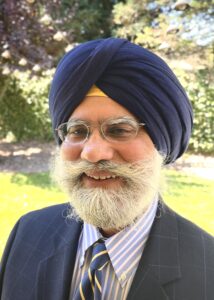
Dr. Parhar previously served as an associate clinical professor affiliated with the University of California, Davis, and on the executive board of Sutter Independent Physicians IPA in California. His professional experience spans outpatient medicine, inpatient care, intensive care medicine, and health care leadership, including past affiliations with Sutter Health and Sutter Roseville in California.
Throughout his career, he became increasingly concerned about several structural challenges within the current health care model, including affordability, accessibility, polypharmacy, health care fragmentation, microbial resistance, physician burnout, and the progressive underemphasis of prevention and functional preservation. These observations led him to develop the Health Enhancement Organization (HEO) Framework, a prevention-oriented and biomechanics-aware health care enhancement model designed to complement scientific medicine through earlier biological support, movement preservation, patient empowerment, and health care team well-being.
Dr. Parhar’s current work focuses on health care course correction, scalable prevention strategies, biomechanics education, healthier aging, and improving long-term population health resilience in practical, affordable, and biologically grounded ways. He is the founder of Jeeva Health Systems, and his research includes “Impact of a Novel Plant-Based Treatment Option in Improving Pulmonary Function Markers,” published in Alternative and Integrative Medicine.