




Listen and followApple PodcastsSpotifyYouTubeMore apps · Browse all episodes
“While the rise in substance use disorders during COVID will become more apparent as the pandemic eventually ebbs, the silver lining is that this is not a novel problem. We understand substance use disorders far better than we understand COVID-19, and we also know that one of the largest obstacles to treatment is the shame associated with admitting that one has a problem. Furthermore, we also possess lifesaving drugs (such as Naloxone) that can prevent those with opioid use disorder from dying of an overdose.
Moving forward, we in the mental health community should encourage efforts to eliminate stigmas associated with addiction. More concretely, policymakers should be ready for the increase in opioid-related overdoses and ensure first responders have access to drugs like Naloxone. Secondly, COVID-19 patients and family members should receive easier access to mental health care to improve resiliency and potentially reduce instances of substance abuse disorders that begin as PTSD-related self-medication.”
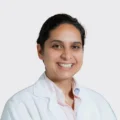
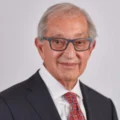
Samoon Ahmad is a psychiatrist.
He shares his story and discusses his KevinMD article, “COVID-related stressors and increasing instances of substance abuse.”
Did you enjoy today’s episode?
Please click here to leave a review for The Podcast by KevinMD. Subscribe on your favorite podcast app to get notified when a new episode comes out!
Do you know someone who might enjoy this episode? Share this episode to anyone who wants to hear health care stories filled with information, insight, and inspiration.

Hosted by Kevin Pho, MD, The Podcast by KevinMD shares the stories of the many who intersect with our health care system but are rarely heard from.


Transcript
Kevin Pho: Hi, and welcome to the show, where we share the stories of the many who intersect with our health care system but are rarely heard from. My name is Kevin Pho, founder and editor of KevinMD. Today on the show, we have Samoon Ahmad. He’s a psychiatrist, and he’s the author of the book Medical Marijuana: A Clinical Handbook, and he wrote the KevinMD article “COVID-related stressors and increasing instances of substance abuse.” Samoon, welcome to the show.
Samoon Ahmad: Thank you so much for the invitation.
Kevin Pho: So we’ll get into your article in a little bit, but first off, can you just share your story and your journey to where you are today?
Samoon Ahmad: I completed my residency at NYU. I have been at Bellevue Hospital and at New York University for, I would say, close to 30 years now. I completed my training there, and I run an inpatient unit at Bellevue Hospital, as well as being on the faculty as a professor at NYU. And I run an integrative center for wellness, which is a combination of psychiatric issues in conjunction with wellness and weight management, particularly as we understand that people with severe persistent mental illness have higher rates of metabolic issues as well as obesity. And I integrate other modalities to help my patients with that.
Real physician voices, twice a week
Free, and one click to unsubscribe.
Kevin Pho: So tell me a little bit more about your integrative practice. What kind of patient population does it serve, and what are some of the other modalities that you use to help them?
Samoon Ahmad: It’s a private practice, so I think I see both ends of the spectrum. Because of Bellevue, I’m seeing severe persistent mental illness and homelessness and substance use. The private practice is comprised of people who have good support systems, have jobs, like yourself, online, in businesses, professional people mostly. I specialize in bipolar disorder, anxiety, treatment-resistant depression, and post-traumatic stress disorder; those are primarily it. And many of these patients are struggling, apart from their psychiatric ailments, with other medical issues as well.
So the approach has been, I think both of us know, in terms of people with psychiatric ailments who are taking psychotropic medications, which do carry a higher risk of metabolic disorders, many of them have a predisposition to obesity, some of them are already overweight or obese, they have very unhealthy lifestyles, and they are struggling with substance abuse as well. So the idea is not just to give them medication and the pill, but to have some life-changing modalities that will carry them throughout.
And I think I’m against the whole idea of these so-called diets that people take, because diets only last as long as you give them the diet. As soon as that goes out the window, people go back. You can watch it on The Biggest Loser on television; people gain 200 pounds back. But my idea has been, rather than a diet, it is a lifestyle modification. So I literally formulate a plan with the people, and with my personal experiences and my own journey in terms of my routine, how to eat, and what to eat, I literally guide people on a regular basis about how to shop, whether they’re in a diner, whether they’re at home, whether they’re at a party, what they’re eating, how they’re eating, and share your story. It’s not unusual. Literally, people sometimes have called me: “I’m in a shopping mall, a grocery store, right now, and I’m struggling with this.” And there are so many things, and I literally have taken the time, a few minutes, to literally walk people through it, as to what they can do and how that may be helpful for them. Those are the kinds of challenges that people face on a day-to-day basis.
And I don’t want to sound in a negative way, but it’s a very personalized way, concierge, in dealing with patients, where my availability is literally 24/7 for my people. Because the people, I find that if I was struggling, whether it’s a stress related to anything, particularly in corporate times, the availability, even taking five minutes out of your daily routine to immediately respond to that, that’s the kind of support, particularly for people who are struggling with bipolar spectrum conditions, where moods fluctuate on a daily basis or weekly. The availability, that’s what I have integrated into my practice to help people in different domains, not just medication.
Kevin Pho: All right, so let’s transition into your KevinMD article, “COVID-related stressors and increasing instances of substance abuse.” Now, for those who haven’t read your article, can you walk my audience through it and maybe share the story of why you decided to write it?
Samoon Ahmad: To give a little context, I think we all understand the use of substance abuse, particularly the opioid epidemic that has taken place in this country, and the toll, where it was sort of thought of as a benign issue, which is wealthy of pain. It was, in fact, one of the main standards, that people could take charge of their own pain, and even infusions, and do that. And over a period of time, you realize how it’s taken a toll. And I think we also understand that as people become more isolated, they are more likely to get more consumed with things; when they’re lonely, they’re more likely to segue, whether it’s alcohol, whether it’s cannabis, whether it’s any other drug.
And as a result of that, I found, when COVID happened, that I was seeing patients who were frequently calling me, and this was one of the main struggles that they were experiencing at the time. I thought it would be helpful for many other people who may be having a similar issue to sort of realize and understand how substance abuse is playing a role, and the stress that they are experiencing, and what the long-term implications of that stress are. That was the pretext of how I got into this article.
And just to give the audience an idea of what this was, I certainly wanted people to know that even though we are in the midst of this, some of the time the emotional, psychological impact is not felt; actually, it’s in the long term. There may be a time lapse between when you are having the effect versus when you see the effect, and this catch-up game will have a significant impact on society in the long run. And nobody was talking about it; we were so focused on the physical aspect of things.
So I think for our audience to know, one of the important things is that stress is not just something of a mind game. It has a significant impact on our physiology in the body, and I wanted people to realize that in the long run, that may have an impact on their physical health as well, apart from just the substance abuse, which they are taking to satisfy their loneliness, their depression, their anxiety. That was one of the things that I wanted to highlight.
So that brings into context a little bit about acute stress disorder and post-traumatic stress disorder. Any of us, whether we are witnessing the death of a loved one, have gone through a traumatic experience, or have seen something horrific, depending upon our predisposition, our resilience factors, our development, and our environment, we may at times respond to it in a way which in the long run will predispose us to acute stress disorder. Usually the defining line between acute stress disorder and post-traumatic stress disorder is that if the symptoms last up to a month or so, we call it acute stress disorder; if it goes beyond that, it becomes post-traumatic stress disorder. And most of the time, if you treat it appropriately, people who struggle with post-traumatic stress disorder, usually in two to three years, most of these symptoms will subside. However, untreated, it can go on for years and take a big toll on their emotional well-being, with symptoms which are hyperarousal, hypervigilance, sleep issues, appetite issues, and irritability. And about of these people struggle with substance abuse.
So that is the interface, if you think about COVID, the impact in terms of the stress as well as the substance abuse. There are people who are struggling with this, and then 50 of them will go on to use or abuse, in some way, some form of drugs.
Taking that on, and to further, which is how that ties in with the stress and how it impacts our body, was the next phase, which is that there is something called the hypothalamic-pituitary-adrenal axis. We all respond, whether we are faced with something terrifying; in the heat of the moment, we need that cortisol rush. And I think most of the audience are probably aware of cortisol as the stress response, which is actually very beneficial in the short term. However, even low levels of hypercortisolemia, or the stress response, over a prolonged period of time can have a devastating effect, from the brain to the body. And I think people probably should know more about how the physiology impacts the body, because hypercortisolemia can lead to obesity, it can lead to hypertension, it can increase the inflammatory cytokines, which can have a significant impact on inflammation, it can cause kidney damage, it can cause arrhythmias, it can cause an increase of blood sugar or lipid profile. Cardiovascularly, it impacts us. People may not notice these things in the short term, but one needs to be cognizant of it.
And most of all, I think it’s work cut out for mental health professionals. We are at the interface of mind and body. We are the ones where patients feel comfortable and honest enough to listen to us; they put their trust in us. If we go beyond just giving them an anti-anxiety or antidepressant or something else, and really walk them through and allay their concerns and educate them in a dumbed-down, simple fashion about how the stress is impacting their body and how even in isolation they can keep that stress low, we may be able to offset these long-term cardiovascular and other problems that they may face down the road. In crux, I think that’s the summary of the article, and what I would summarize for people who have not read it.
Kevin Pho: Now, for these patients who are under stress because of the pandemic and are prone to substance abuse, what are some of the treatment options that you can offer them?
Samoon Ahmad: I think that brings into the role many of my patients that approach me on the cannabis issue. I’ll tell you, some of them are obviously drinking, which has been a lot more, and people don’t realize that in a four- or five-year period, there was a study done, 100,000 people have died because of alcohol abuse. That’s a significant death toll, I have to say.
Apart from that, one of the other things that has happened is, because of the substance abuse and the lack of so-called accessing what they were used to taking, there had been an extreme rise in other drugs, including people taking high-potency drugs like fentanyl, which has just a deadly impact, because people were more tied down, and whatever they could lay their hands on, or they were using a lot more quantity, because you get rid of that stress. And people couldn’t travel; people couldn’t do anything. So the only way of being able to help people is through telemedicine, and being able to sort of convey whatever we could, and listening, and giving them a sort of routine and a structure to their daily lives.
I think apart from the medicines that we use in many ways to help people, whether any of the abuse or use of the substances is taking place, and there are many of those medicines that can play a role, obviously not only anti-anxiety and antidepressant, but things that can decrease the triggers and the need for these substances, a daily structure and routine, whether it’s relaxation, muscle training. I would sit down with my patients on telemedicine and sort of do breathing exercises with them. I would literally teach them what some of the stationary exercises are that they could do at home, what was available to them, how to walk them through meditation, yoga, sleep structure, keeping a daily routine in check, not just being up all night. People literally lost track of day and night in their routines.
And accessibility: Because of social media, constantly, they could not even make a distinction between their work life and their social life, because everything was online. So you really were being bombarded with all of this, whether it’s good news, bad news, or fake news; it doesn’t make a difference. And how do you filter it? That’s the kind of connection that was essential to have with your patients. So those are the kinds of things that I have done with my patients to help them through this time.
Kevin Pho: We’re talking to Samoon Ahmad. He’s a psychiatrist, and he wrote the KevinMD article “COVID-related stressors and increasing instances of substance abuse.” Samoon, I’m an internal medicine primary care doctor, and on this podcast we have a lot of primary care clinicians who may be listening. Now, what are some red flags we should look out for in patients that we see every day in the office, and maybe what kind of questions should we be asking them to perhaps uncover some undiagnosed potential substance abuse?
Samoon Ahmad: One of the main problems is that many people don’t want to delve into asking many of these questions. They don’t feel that they could do much, especially when they are not with the patient, and it’s like opening up a Pandora’s box. But I think it’s extremely important to actually ask those questions. And sometimes I’m really surprised. When you ask people, “Do you drink?” the answer is, “Yeah, not more than anybody else.” And my next question is, “What do you mean by “nobody else”? How much do you think other people drink, or other people smoke, or what they do?” And I’m surprised how people overestimate what other people do, and many times they then rationalize their behavior in some ways, if it’s a healthy behavior, and they’re not drinking.
So I will ask someone, “Well, what is your average consumption of alcohol in a week?” And people will say, “I would drink probably two bottles,” or, “I’ll have two to three drinks for the day.” And if you look at all the data that’s coming out, and the one that just came out recently, where they even cut back the male-to-female ratio: It used to be two drinks for males and one drink for females, with a maximum of five to six drinks in a week. They have cut it down so that males should even have one drink per day, and females as well, one a day. That’s the kind of main question that I think you need to start with: What is the consumption on any daily basis?
Some people will say, “Well, I really don’t drink throughout the week, but then, yes, I will have four or five drinks on a weekend.” Well, that’s unhealthy, because that’s more like the binge drinking that people are doing. Or people will say, “Well, I just smoke here and there, some marijuana.” Well, what do you mean by “here and there”? What exactly do you use? Are you vaping? Are you smoking? Are you using some edibles? And how is it impacting your life? Do you sleep a lot? Has your appetite increased? Do you find yourself just watching TV? What are you exactly doing?
So the time, what they are doing, the behavior, whether it’s social, professional, or personal: Are they isolating themselves, or are they connecting with their family? And those are the kinds of things that raise red flags for me, which is seeing: Is there any cause-and-effect relationship for what they are doing? I mean, our patients will tell me, “Yes, sometimes in the evening I come and I just smoke a little bit of marijuana, and then I just relax, but I go to my job every day, I have a loving relationship with people,” and all of it. That’s very different than somebody who wakes up in the morning and smokes and is sitting in front of a TV with headphones on, just lost in there, and not conducting their life in a healthy way. That’s very different.
And there’s no one-size-fits-all. You really need to see what the person’s life is, what their professional responsibilities are, what their personal responsibilities are, and how what they are using is impacting those responsibilities. So I don’t think people should take it for granted and just take a general viewpoint and then take it from there, applying it to everybody. You really need to make it very individual in some way.
Kevin Pho: You’re also the author of the book Medical Marijuana: A Clinical Handbook. Can you briefly tell my audience a little about your book?
Samoon Ahmad: This book comes from the fact that there are two countervailing perspectives on cannabis. On one hand, there has been such a tremendous and immense amount of interest overall in cannabis; there’s such a drumbeat in the mainstream about it. But it’s really, I would say, shaped by our viewpoints, which are more based on culture, society, and politics rather than anything else. And that has been problematic, I think, for the general public, and more so for the clinicians, who are really not able to understand where we are with the science of cannabis today. And that is also shaped by our training.
And the impetus for the book actually comes from my journey through this, because I can go back in time. As a medical student, I was never taught anything about what I would call the benefits or even therapeutic uses of marijuana. The endocannabinoid system wasn’t even understood, I mean, back in the 1980s. It was in the 1990s that we, and even today, you really have to go out on a limb on your own to study the endocannabinoid system, and this is not a part of your regular curriculum.
And on top of it, cannabis has always been put as a Schedule I drug, meaning it has no medical therapeutic application and a high incidence and prevalence of addiction. That in itself, for every clinician, becomes like, “This is a territory that I shouldn’t go to.” Overall, that also limits any data, any science, or any clinical trials. That’s sort of a self-fulfilling process to me, meaning when you ask a clinician, they’ll say, “What is a Schedule I drug? Because there is no therapeutic application.” “Well, why isn’t there a therapeutic application?” “Well, because it’s a Schedule I drug.” You cannot do any blind clinical trials; you have to go through hoops to achieve that. That circular logic doesn’t work anymore, unfortunately.
And I was at the two ends of the spectrum: an inner-city hospital, with 70 to 80 percent of the population struggling with comorbid substance abuse, having a great impact on their mental well-being, and on the flip side, seeing very high-functioning people who were using it in a casual way to allay their anxiety, help with sleep, their mood, all of this. And I went looking for data, and I was amazed at how little, how limited, the information was, the lack of clinical trials. And I said, “If I am in this spot, how are the rest of the clinicians in this?”
So I started doing research and looking for this, and I thought I needed a partner in this who is a specialist in addiction but also in policymaking, somebody who has worked, and I found that great co-author in Kevin Hill, who was my co-author. He has worked with the World Health Organization, with the NFL, and has done a lot of work on it. And we really wanted to come up with a textbook, not just another book, which completely eliminates any politics out of it and has very objective scientific data, with double-blind clinical trials.
And we wanted people to understand the history of cannabis, how it’s been used for millennia in different civilizations, and the science of the plant. This is not one drug; there are hundreds of drugs within one plant of cannabis. And then how do you make that distinction? There are 140 phytocannabinoids that have been discovered so far. Out of them, 20 or so are new; we don’t even know anything about them. Out of the 120, only THC and CBD are the ones that we really have worked on. It is in its infancy at this stage, as we see it, and the therapeutic applications we don’t even know.
So there is data coming out at such a fast pace that it’s very hard for people to even keep up with it, and that is why we came up with the website cannabistextbook.com, which was until the next book comes out. People can’t wait for this information. So what we do is that as soon as a state regulation changes, the indications change, or any new data comes out, no matter what that data is, whether it’s a plus or minus, but it’s a clinical trial that suggests what the role of these cannabinoids is, we immediately post that for people to understand and read. So clinicians like myself have enough information on their hands, because the new data shows that approximately 80 percent of the clinicians find themselves not having enough information to educate their patients and other people in terms of what needs to be done. And this particularly is in cancer, where the data shows that 80 percent of the oncologists felt they were not equipped in any way to teach their patients and clients about the uses and benefits or adverse effects of cannabis. That was the real impetus: trying to educate clinicians like myself and give them a tool that they could use in their clinical practice.
Kevin Pho: Samoon, thank you so much for sharing your insight and spending time with us. Thanks again for being on the show.
Samoon Ahmad: Thank you so much. Really appreciate it.
Listen and followApple PodcastsSpotifyYouTubeMore apps · Browse all episodes