












Listen and followApple PodcastsSpotifyYouTubeMore apps · Browse all episodes
In this episode, we talk with family physician Heather Awad about how to be an example of what’s possible for your patients on their weight loss journey. Heather shares her experience of embracing imperfection and how that has helped her patients shed their own perfectionistic tendencies. Based on neuroscience research, she also gives practical tips on making small changes and creating habits that stick. Join us for an insightful conversation on how to inspire your patients through your own vulnerable human experience.
By sharing her own journey and encouraging patients to embrace imperfection, Heather provides a powerful example of what’s possible for anyone on a weight loss journey. So join us for an inspiring and informative conversation that will help you make small changes, do them consistently, and celebrate your progress towards a healthier and happier life.
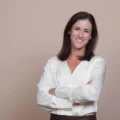
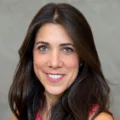
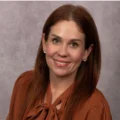
Heather Awad is a family physician.
She shares her story and discusses her KevinMD article, “Be a shining example for your weight loss patients.”

The Podcast by KevinMD is brought to you by the Nuance Dragon Ambient eXperience.
With so many demands on their time, physicians today report record levels of burnout. Burnout is caused by many factors, one of which is clinical documentation. Studies indicate physicians spend two hours documenting care for every hour spent with patients.
At Nuance, we are committed to helping physicians do what you love – care for patients – and spend less time on clinical documentation. The Nuance Dragon Ambient eXperience, or DAX for short, is an AI-powered, ambient clinical intelligence solution that automatically captures patient encounters securely and accurately at the point of care. Physicians who use DAX have reported a 50 percent decrease in documentation time and a 70 percent reduction in feelings of burnout, and 83 percent of patients say their physician is more personable and conversational.
Rediscover the joy of medicine with clinical documentation that writes itself, all within the EHR.
VISIT SPONSOR → https://nuance.com/daxinaction
SUBSCRIBE TO THE PODCAST → https://kevinmd.com/podcast
RECOMMENDED BY KEVINMD → https://kevinmd.com/recommended
GET CME FOR THIS EPISODE → https://earnc.me/nh9nGw
Powered by CMEfy.
Transcript
Kevin Pho: Hi, and welcome to the show. Subscribe at KevinMD.com/podcast and get CME for this episode by clicking on the CME link in the show notes. Today we welcome back Heather Awad. She’s a family physician. Her most recent KevinMD article is titled “Be a shining example for your weight loss patients.” Heather, welcome back to the show.
Heather Awad: Thanks for having me, Kevin.
Kevin Pho: So for those who didn’t listen to our first episode together, just briefly share your story and journey to where you are today.
Heather Awad: Sure. I’m a family physician by training, and these days I work as a weight loss coach online. I help professional women over age 50 lose weight for the last time. So that’s my work now, online.
Real physician voices, twice a week
Free, and one click to unsubscribe.
Kevin Pho: All right. So how’s that going? What are some typical cases that you see, and typical methods that you can provide online?
Heather Awad: Sure. You know, I work with professionals over age 50, and typically they’re people who have done pretty well and been pretty healthy all their lives, and somewhere in their late 40s, you know, they start gaining weight that they can’t lose. And they start to think that it’s impossible to lose weight, because the old ways didn’t work anymore. So I work with them a lot on their insulin cycles, trying to kind of reset their hormone levels through food choices and food timing, so that they can understand how their body works. And then we just get them on a simple, personalized plan, and they lose weight pretty easily. So it’s really been fun.
Kevin Pho: So when it comes to weight loss, there are so many myths that are out there. It’s pretty much published every day in the media. What are some of the biggest myths about weight loss that you want to clear up?
Heather Awad: The biggest ones are like “eat less, move more,” which I, you know, personally feel terrible that I may have said to someone in the past, because a lot of it is food choices. Also, for women over age 50, working on this insulin resistance and insulin cycles is really the magic for it. Also, another big myth is that you have to do it right all the time, or that there are food groups you have to cut out. You know, there are people that lose weight doing that stuff, but it’s really not necessary.
Kevin Pho: So before we get to your article, you mentioned the insulin cycle a few times. So tell us more about that and how it relates to weight loss.
Heather Awad: Sure. So, you know, we eat, and our blood sugar goes up, and insulin brings our glucose into our cells so we can use this to nourish ourselves. But insulin is also a fat-storage hormone. It tells our body to keep storing fat. So people in present day have food at every event and every meeting, and there are also a lot of food pushers nowadays: “Why aren’t you eating something right now? Why?” And people want to tell you to put something in your mouth. But the problem is that our bodies are made to eat and then have some time where we’re not eating anything, even healthy stuff. So when we don’t do that, then we become kind of glucose burners. We’re burning all day long, and there’s never a time where insulin gets quiet and your body naturally takes fat out to use as energy. And so that ends up being a really bad problem, especially when you get to 50.
Kevin Pho: All right. We’re going to talk more about that in your KevinMD article titled “Be a shining example for your weight loss patients.” Now, how did your article come together?
Heather Awad: Well, I was talking to some other family medicine doctors online, in a social media group, talking about kind of what challenges, what’s difficult about taking care of people who are having weight problems. And a few people said, “Well, you know, I don’t feel like I’m a good example for my patients. And so how am I supposed to advise them if I feel like I don’t know what to do myself?” So I wrote this article for the doctors that asked that question, because I think, you know, there’s a lot of shame and blame about it. And really, you know, doing it imperfectly is better than doing it perfectly, and doing it imperfectly is also better than not working toward a healthier lifestyle, as far as eating goes.
Kevin Pho: When you say that some clinicians aren’t good examples, or they may not feel confident in terms of suggesting weight loss advice, what are some examples of that?
Heather Awad: Well, I think people feel like they may also be in their 40s or 50s and having a difficult time losing weight. Or they’ll fall into the trap of trying to remake their whole eating plan, and then three days in, when it’s so hard and so difficult, it falls apart, and then they just kind of give up. And they get that feeling of shame, which is super common, and comes from that kind of perfection that we want to have as doctors. And then they kind of feel like, “I’m falling off the wagon,” and then they just kind of blow it, as far as just eating junk and things like that, when really there’s no wagon. It’s OK to pick one thing to try to make better, and then, little by little, you can add other things as that part is going well.
Like, maybe you pick one meal that you want to make healthier that will help you with weight loss. And maybe you’re not going to do it right every day, but you pick that meal, and you may do it right a number of days, and then you celebrate that you did it well. Our brains love celebrations of wins, and I think doctors also are not super great at celebrating our wins, you know, because we’re a little hard on ourselves. You know, if you ate a savory breakfast most of the days out of the week, you should really pat yourself on the back, or do a happy dance, and then just kind of see what you think from there. But you don’t have to redo your whole lifestyle all at once, every minute of the day.
Kevin Pho: So celebrating small wins, stacking small successes. When you talk to other doctors about that approach, what’s their response?
Heather Awad: Some of them look a little blank, like, “Well, if I’m not going to fix the whole thing.” Because, you know, we’re hard workers, right? And we do hard things. And I would suggest that doing something in a more mediocre fashion will actually serve you better. Do part of it. Really celebrate when you do it right most of the time. Don’t beat yourself up when you don’t do it right all the time, because you won’t. Things will come up, right? You’ll go to work, and you’ll be like, “I forgot my lunch today.” And that’s going to be OK, because all those little stumbles are super normal, and they actually won’t wreck a weight loss journey. What wrecks it is giving up. You know, I try to tell people, when I talk to really smart people, I say, “Go for compassionate perseverance.” When it doesn’t work, be compassionate with yourself, but keep going.
Kevin Pho: So for those clinicians in the exam room, sometimes, in primary care especially, we just have so little time with patients, and there’s so much that we have to do with patients and run through these checklists. So how can we be effective communicators when it comes to weight loss, especially in the primary care setting, when, you know, we don’t just focus on obesity? There are so many other things that family physicians focus on in such little time. So what are some tips that you can share that can help patients with their weight loss journey?
Heather Awad: Sure. I actually think that, you know, if you are lifestyle-focused, you can bring this in, because you’ll do this even with people who have blood sugar problems, or high blood pressure, or cholesterol issues. And maybe you just ask them, like, “Could you make one of your meals healthier during the week? Well, OK, what would that be?” And they’ll have an idea. And so if they bring up, “Well, I’m not sure about my lunch,” then you can say, “Well, what do you eat?” And then you can give them some suggestions, and then say, “OK, well, let’s talk again in a month, and let’s see how this goes with lunch,” or whatever it is they’ve picked. Because it’s funny, those little things will make a difference.
Kevin Pho: Now, when you talk to patients, what would you say are the most common pain points, or points of resistance, that you often encounter when you bring these suggestions up to them?
Heather Awad: Sure. A lot of people are busy nowadays. That’s a tough one. And so we’ve gone for convenience, but there are fast ways to eat healthy things, like bringing leftovers for lunch, or having things in the fridge at work that work, or knowing what backups are if you’re out and about. You know, when I think of my favorite grocery store, I can go in there, and I know there are three really healthy lunches I can just grab. I can grab a container of berries, I can get something from their salad bar, or they have cooked chicken already. Cooked chicken and a container of berries is a super healthy lunch, and, you know, really fast to get. So kind of allowing that this doesn’t have to take up a lot of time, I think, is a real pain point.
And then also, people feel like they have to eat perfectly and work out a lot. And I just tell people, when they’re starting to lose weight, to just forget about the workouts, honestly, because, you know, exercise is really well proven for weight maintenance and not really well proven for the weight loss part. So it just adds another layer of complexity and perfectionism that just doesn’t need to be there. So I just say, “Let’s not even worry about the workouts yet. Let’s just, you know, look at eating some healthier foods and not eating all day long.”
Kevin Pho: I want to ask about medication options. You know, we obviously hear about things like Ozempic and Mounjaro and Wegovy. So I think that, you know, patients see this in the news, and we have a lot of physicians who also have great successes with these medications. At what point do you introduce the potential of medications when it comes to a patient’s weight loss journey?
Heather Awad: Sure. Well, personally, I work online, so I work with people who are there to do it without medication, and I have even had people who have come after a trial of medication where they had side effects they didn’t like. But I think it definitely has its place. The issue that comes up with it is that people do best if they stay on that medicine forever. So, you know, that gets to be an issue. And some of the things that we work on with lifestyle are looking at, when you’re going to eat, “Am I hungry, or am I not hungry?” And, you know, stopping then, before you’re full. Just stopping, like, “I’m satisfied. I feel like I’ve had enough.” And some of those cues get removed with the medication. I’ve talked to some people who say, “I just don’t have any cravings. I’m not really hungry at all, ever. I just eat a little bit,” and that works. The hard part is that then, if you’re not on the medicine, you’re kind of back to square one. And we don’t want these medications to become the new yo-yo diet.
Kevin Pho: So you’re absolutely right that if you go off these medications, the weight tends to come back. I’m seeing something of a reframing of obesity to more of a chronic disease, like diabetes and hypertension, and you just need to take your Ozempic indefinitely in order to keep the weight off. So what are your thoughts about that reframing of obesity to more like a chronic disease?
Heather Awad: I think it works, but I do say that we should individualize this to the person. You know, you talk to who you’re working with and decide what’s going to be the best choice for them, because there are people who are willing to, you know, look at more lifestyle choices, and they don’t know where to go with that. You know, they would like some direction other than a weight loss program where they have to restrict calories, or eat a special diet, or something. So if they work with a weight loss coach who can help them with regular foods, or a dietitian, some people are really motivated in that way. And some people aren’t; they really just want the medication. And so I think you just have to work with your patient and see where that is. And then there are also people who come in, and they’re not doing well with what they’re eating because they’re depressed, or, you know, maybe they have food scarcity issues. There’s a lot there. You know, find out what the underlying root issues are going to be, and what’s going to help their health the most.
Kevin Pho: So you mentioned things like dietitians and weight loss coaches. It goes to the point that there are so many resources out there when it comes to a patient’s weight loss journey, so many people, consultants, that they can turn to. So talk about some things that you recommend patients look for if they need additional support when it comes to wanting to lose weight.
Heather Awad: Sure. Well, luckily, there are lots of people like myself who are weight loss coaches on the internet, and we have podcasts and social media feeds where you can find a doctor, actually, who is giving out information about weight loss online. And then, next up, there are also both lifestyle medicine and obesity medicine doctors who you can look up in your own local area, who might also take your insurance. And you could have a medical visit with them and see if what they have to offer and to teach you might be in line with what your weight loss goals are, and your health goals.
Kevin Pho: What are some red flags that they should look out for? Because if you just go on YouTube, there are plenty of people who say they’re doctors, and they end up just wanting you to buy their product, for instance. So what are some red flags to look out for when looking for some of these resources?
Heather Awad: Right. Well, I’m glad you brought that up about people selling stuff, because there are very few supplements that are proven. And I even have a doctor I was watching online, and I thought, “I usually trust her, but she’s selling something now, and I need to research it.” So I basically tell you that someone who’s selling something for you to eat is probably not the best choice. And one of the reasons I tell you that is that even people have their little bars they sell, or their shakes, and if you lose your weight with those, then you have to eat those forever to maintain it, because you really want to look long term. So I would say that if someone is trying to sell you a product that’s going to be the weight loss thing, it’s probably not it. You probably want someone who’s going to help you with food, what you eat, knowing what a healthy eating day looks like, and who’s looking at your long-term goals and not giving you a short-term plan, because, like you said, it’s not a short-term problem.
One of the things I work on with my clients, immediately, is we talk about how we want to eat when we’re done losing the weight. Because people say, “Well, I’ll just give up, you know, pasta or potato chips until I lose the weight.” And then I say, “Well, but aren’t you going to want to eat that when you’ve lost the weight?” And they say, “Well, yes.” I say, “OK, well, we have to figure out how we’re going to do that the whole time, so that when you get to your maintenance weight, you can just keep going, and it’s nice and simple and easy, and you’re eating things that you like.”
Kevin Pho: We’re talking to Heather Awad. She’s a family physician. Her KevinMD article is titled “Be a shining example for your weight loss patients.” Heather, tell us some of your take-home messages that you want to leave with the KevinMD audience.
Heather Awad: Sure. I would say, you know, as a doctor, if you want to set an example for your patients, try some things. Maybe just pick one meal to make better, and then share those wins with your patients, and share with them the times that it doesn’t work, like, “Oh, I’ve been so good bringing my lunch to work, but some days I just forget,” so that they can understand that stumbles are part of the weight loss journey, and that perfection is definitely not required for losing weight. But you’re trying to build some healthy habits and then add more after those smaller ones become more permanent with you. That will help you be an example for your patients. It’s a nice thing to share with your patients those same eating issues.
Kevin Pho: Heather, thank you so much for sharing your time and insight, and thanks again for being on the show.
Heather Awad: Thanks for having me.
Listen and followApple PodcastsSpotifyYouTubeMore apps · Browse all episodes