Subscribe to The Podcast by KevinMD. Watch on YouTube. Catch up on old episodes!
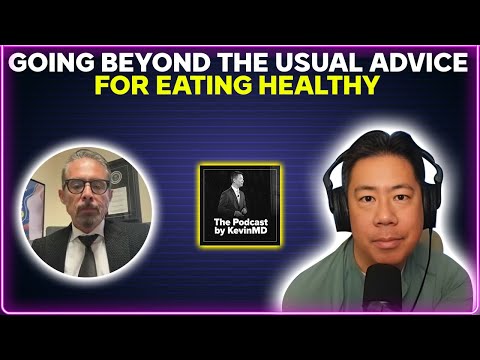
Join Francisco M. Torres, an interventional physiatrist. As the author of Dr. T’s Drop the Fat Diet: 12 Steps to Leaner You Forever, Dr. Torres shares invaluable findings from recent clinical studies, revealing which diets truly enhance longevity. Discover the secrets behind his three-stage eating plan designed for rapid weight loss and sustained health optimization.
Francisco M. Torres is an interventional physiatrist specializing in diagnosing and treating patients with spine-related pain syndromes. He is certified by the American Board of Physical Medicine and Rehabilitation and the American Board of Pain Medicine and can be reached at Florida Spine Institute and Wellness.
He discusses his book, Dr. T’s Drop the Fat Diet: 12 Steps to Leaner You Forever.

Our presenting sponsor is Nuance, a Microsoft company.
Together, Microsoft and Nuance are leveraging their rich digital technology and advanced AI capabilities to tackle some of health care’s biggest challenges. AI-driven technology promises to revolutionize patient and provider experiences with clinical documentation that writes itself.
The Nuance Dragon Ambient eXperience, or DAX for short, is a voice-enabled solution that automatically captures patient encounters securely and accurately at the point of care. DAX Copilot combines proven conversational and ambient AI with the most advanced generative AI in a mobile application that integrates directly with your existing workflows.
Physicians who use DAX have reported a 50 percent decrease in documentation time and a 70 percent reduction in feelings of burnout, and 85 percent of patients say their physician is more personable and conversational.
Discover AI-powered clinical documentation that writes itself. Visit https://nuance.com/daxinaction to see a 12-minute DAX Copilot demo.
VISIT SPONSOR → https://nuance.com/daxinaction
SUBSCRIBE TO THE PODCAST → https://kevinmd.com/podcast
RECOMMENDED BY KEVINMD → https://kevinmd.com/recommended

ADVERTISEMENT
GET CME FOR THIS EPISODE → https://earnc.me/4SXtkA
Powered by CMEfy.
Transcript
Kevin Pho: Hi, and welcome to the show. Subscribe at KevinMD.com/podcast, and get CME for this episode by clicking on the CME link in the show notes. Today we welcome back Francisco Torres. He’s an interventional physiatrist, and today we’re going to talk about his book “Dr. T’s Drop the Fat Diet: 12 Steps to Leaner You Forever.” Francisco, welcome back to the show.
Francisco M. Torres: Well, thank you so much for having me at your program, Kevin.
Kevin Pho: So Francisco has been on multiple times. Go to KevinMD.com/podcast, search for his name for his prior episodes and hear his story. But today let’s talk about your new book. So before we talk about the book itself, tell us about the events leading up to it. Why did you decide to write a book like this?
Francisco M. Torres: Well, as I told before in my previous podcast, I had issues with my body image, I was not healthy. It was not until when I was in my early 40s that I suffered a cardiac scare. It was nothing major, but it forced me to make a decision. So I changed dramatically.
And then since that time I have gone up and down, changing different ways of training and dieting. And then I wrote that first book to tell my story, so it was more focused on my before and after pictures. So I thought that after seven years, I said, it’s time to just change that approach, before and after, I think, looks just too cheesy, to be honest with you. And I decided to come up with a revised edition with a little bit more science and more experiences from my own journey.
Kevin Pho: All right, so your book is, I see the book cover behind you there, “Dr. T’s Drop the Fat Diet: 12 Steps to Leaner You Forever.” So tell us about this book. What makes it different from all the other diet books that are out there?
Francisco M. Torres: OK. But first of all, like I said, I’m the poster boy on that one, because I’m just telling everybody my experience.
And it’s interesting, Kevin, that my patients see me so fit and they question my ability to empathize with them. They say, you’re so in shape. And I had to put it in a book so they understand that I was not like that before. And I still struggled during the pandemic, I gained the weight. And so I rewrote my program too, based on my experience that during the pandemic I gained an extra 20, 30 pounds.
So I’m trying to make it more real. And then what I’m trying to do is combine the science, the new research and the new things coming up, and kind of apply that to 2024.
Kevin Pho: So tell us some of the 2024 data that’s affecting diets today.
Francisco M. Torres: Yeah, the thing, when I wrote the excerpt on your site, is that I concentrate on the Ozempic and the semaglutide, because it’s the new thing, everybody’s talking, all my patients are on semaglutide and they are losing the weight.
But unfortunately it’s not equal to be fit, and these people are looking for a quick fix and they’re forgetting about their exercise, the lifestyle. So I always say the scale doesn’t tell you that you’re fit or you’re healthy, it just tells you a number. And I think that what I tried to do with this new book is, the approach is, weight loss is a side effect of proper nutrition and exercise.
Kevin Pho: OK, so when you say proper nutrition, tell us your approach for that.
Francisco M. Torres: Well, my approach is, if you look at all the diet books that are effective, they work as long as you control the amount of calories, the quality of the calories, and also the frequency. And then the thing is, there are so many different ways of doing it. And if they work, it’s because you’re doing something that is more customized to yourself.
I think I have had this discussion, and it applies to me too, is we’re looking for something that is easy to do, not too complicated, that it fits your lifestyle. For example, prepared meals, or when do you eat, or do the intermittent fasting because it’s a little convenient and we know it’s effective.
So I try to explore all of that based on the patient’s needs. It doesn’t apply to everybody. Not everybody likes to, or can afford to buy, prepared meals. Other people, they don’t want to skip breakfast, so for the intermittent fasting. So it’s a little bit more customized.
And it’s interesting, Kevin, I was reading an article, and the headlines are very dramatic, like, a pill to mimic exercise. And I think that’s very attractive, but still you cannot replace the effort and the knowledge too, of why are you doing the thing that you’re doing.
But now in my book too, this time I talk a little bit about drugs too, like metformin. I’m a big advocate of metformin because of the anti-aging effects. I know it’s natural, the French lilac. And I know one of the things that sold me is because it says it mimics intermittent fasting. So when I read that I said, oh, because I sometimes have a hard time keeping that intermittent fasting, but I said, well, I have my metformin, I’m OK. But that doesn’t substitute my conviction about exercise and eating proper nutrition, not like I can eat whatever I want.
Kevin Pho: So it doesn’t sound like you have a single prescribed diet. You really get a sense of the patient’s story, and your nutritional advice is customized based on their lifestyle and workflow during the day. Is that right?
Francisco M. Torres: That is correct. Especially in my field, that I do pain management, the first thing that people said is, oh, I cannot exercise, that back problem. And I try to educate them that the weight is not from exercise, you don’t lose the weight from exercise. And then most of the time there’s like one sentence or something, they open their eyes, oh, I didn’t know I could do that. So it’s a lot of education and customize the care to them, not one diet fits all everybody.
Kevin Pho: So give us an example or a story of how you counsel one of your patients when it comes to weight loss and nutrition. Give us a success story where you moved the needle in that patient’s case.
Francisco M. Torres: Well, I can tell you I had a great case, a 70 something year old gentleman, overweight. He had tried bariatric surgery, and after the bariatric surgery he gained even more weight. And he had back pain with radicular symptoms, so nobody wanted to touch him, he was big.
And I questioned myself, I cannot do an epidural injection, I don’t see the needle. But I took the chance. But I sat down with him and I said, you’re going to end up in a bad situation, if you need surgery it’s going to be so complicated because of the size of you.
So I sat down with him and I asked him, what is really your issue here? And he discussed with me his problem with cooking meals, about his doubts about exercise because he was so big, and the frustration that because he had that bariatric surgery and it didn’t work, he was a little bit depressed too.
So we talked about simple things that he can do. I said, let’s go baby steps. So we created a very mild exercise program at home dedicated just to him. And then we started talking with him, we talked a lot about ketogenic and the intermittent fasting, and that would really work.
And at the end he has lost, and this is probably almost 10 years ago, he’s fit, he’s exercising more frequently than me, he’s full of energy, he’s very happy. And one of the things that I try to sell is long-term result, not quick fix. Anyone can lose 30 pounds and then, you know, say wow, and then gain the weight back again.
Kevin Pho: So you mentioned intermittent fasting a few times. Tell us more about that.
Francisco M. Torres: Well, the intermittent fasting, I like the concept because it simplifies your life. People who tell me they don’t have time to eat or they don’t have the money, they say, look, but this is beautiful, you’re incorporating here calorie restriction, which we know is associated with longevity. So it saves you money, and also it’s easy to do.
The only thing that you have to be sure that the patient understands is how they’re going to break the fast. You have to do it with a protein, you can’t just do it with whatever, and you cannot go crazy and eat whatever you want. You still have to be very conscious about what you’re going to eat.
So I tell them, look, if you’re going to do the intermittent fasting too, you have to stay with it, you cannot do it one day yes and one day no, because it doesn’t work. But the results that we have seen with diabetic patients, fantastic. And I think for me it’s pretty easy to follow once you are committed to do it.
Kevin Pho: So what’s your opening step when it comes to intermittent fasting? What would be the first step for patients who are interested in that approach?
Francisco M. Torres: Well, tell them first of all to be committed, that this is a long-term process. It’s not like you can do it one day, not do it. And then they have to choose very carefully, and I talk to them about what eight hours are they going to choose to eat. Because if you have a party or something, or you have an activity, or you have people who work at nighttime, so we have to first figure out the time.
Once we figure out the time, we know that we cannot break the fast, we explain to them you can have coffee, black coffee with no sugar. So we talk about options to keep them entertained. And then once they break the fast, we have to go for a protein, so you have to have a piece of chicken or fish or something available. So be prepared to be successful.
Kevin Pho: Now, do you start with seven days a week, or do some start two to three days a week first? What’s your approach with that?
Francisco M. Torres: Yeah, it depends on, again, the patient. I know that people are committed, they want to do a fast, I’d say minimum five days. That’s my number to look for. But so they have the weekend to kind of be a little bit more, you know, because during the weekend when they have functions, parties, or they go to the restaurant. So it’s a lot easier just to do it during the weekdays.
Kevin Pho: OK, so we talked about diet, nutrition, exercise. What is the role of medications like Ozempic? What is the role of those?
Francisco M. Torres: The thing is, the medications are wonderful. I think they’re wonderful drugs. Now there was a new article reporting that it blocks inflammation, so they’re talking about the bad side effects, people opinionate it, but there’s good side effects too.
The main thing is, my experience with dealing with clients is that they don’t know how to stop. In the past we used to use phentermine to try to stop the appetite, but that didn’t work, the side effects, and it really wasn’t long lasting. This one, I feel that it stops the cycle, restricts your eating.
There was somebody mentioned, I don’t remember who said it, it was funny, he said wonderful drug, I think it was a surgeon, wonderful drug, but it took away the pleasure of eating. So you’re going to have to be prepared for that. For me, coming from a Spanish culture, it’s big to celebrate with food, we always celebrate with food. So if you’re going to take away that pleasure, it’s like you have cancer, you know, you lose the weight but you feel very lousy. So you have to understand that.
And the other thing too is, this medication, once you start you cannot stop. I don’t think that there is just for a period of time and then you stop it, because the majority of the patients gain the weight back again. So I think that also maybe the reason they’re gaining the weight back is because they’re not doing their exercises, they’re not changing their mindset. That’s basically what I always say, you have to change your mind in order to be successful.
Kevin Pho: I’ve been told that when you start these GLP-1 inhibitors, that you have to reframe what you think obesity is and treat it more like a chronic disease, like you do with diabetes and hypertension. Is that right?
Francisco M. Torres: Correct, exactly. And then you have to deal with the side effects. There’s going to be side effects.
When I talk to the patient, I want to know what they’re looking for. Because if it’s just because it’s a high school reunion, I would not use Ozempic for that. But if it’s somebody who’s dealing with problems, joint pain, a lot of other issues, yes, that may be a good candidate.
Kevin Pho: Now, your book also has some recipes in it, is that right?
Francisco M. Torres: Yes. I try to, you know, because people ask me, what do you eat, what do you eat? So I try to put it together, and also simple recipes that you can cook very easily, very easy.
Kevin Pho: Tell us about what kind of recipes, what’s the philosophy behind some of these recipes?
Francisco M. Torres: The philosophy, I’m a little bit more biased with a little bit of the Mediterranean, ketogenic. So I try to restrict the bad carbohydrates. But I always tell a patient, but remember, fruits and vegetables are carbohydrate, but they’re good carbohydrates. So I try to add that too, but always a little bit higher on the protein side.
Kevin Pho: How did you come up with these recipes? Do you have a cooking background? Are these foods that you normally eat?
Francisco M. Torres: There’s a couple of things. I have a couple that I had from the family recipes, because of the Mediterranean background, which I thought were very healthy. And then throughout reading, and I joined other groups that they have nutritionists on board, so we have worked together to create some recipes.
As a matter of fact, which I haven’t published, I have a full cookbook. I’m trying to see if I can publish that one, but that one was a little bit more with a lot of pictures and the quality and the amount of carbohydrates and protein and all that, calories.
Kevin Pho: Now, for those readers, after reading your book, what are some of the other main messages you want them to come away with?
Francisco M. Torres: All right. The scale doesn’t tell you if you’re fit or healthy or not. We need to stop looking at the scale. And I’m against the BMI, really. It’s just, we’re using something that is not accurate, it’s not really telling you what’s going on.
And I think that my message to the patients is, be sure that you know why you want to change. If you don’t have that solid, it’s not going to happen. And you need to start thinking how, the way you talk to yourself and the way you behave, it says a lot. So you have to pay attention to your psychology too.
Kevin Pho: Now, if we don’t use the scale, what objective measures do you recommend?
Francisco M. Torres: I’m big with fat percentage, muscle mass, and also the waistline. For me, what guides me when I know I need to lose, it’s my waistline, my belt.
It was funny, because a Seinfeld episode, he was changing the tags because he wanted to stay on 32. And it’s kind of funny but it’s real. If you start assuming, OK, I’m OK, but the pants are not fitting, there’s something wrong, because that really tells you about the abdominal fat. For me that’s more reliable.
Kevin Pho: Now, when it comes to measuring fat percentage and muscle mass, any tools that you could recommend people?
Francisco M. Torres: Yeah, I normally do the DEXA scan when I have somebody I need to. And then there’s other tools that you buy, you step on the scale and it gives you indirectly the fat percentage. The one I use in my home is the scale with the impedance. And again, what you have to do is have a number and work with that number, which is only your number. So that’s what I always tell my patient.
Kevin Pho: We’re talking to Francisco Torres. He’s an interventional physiatrist. His book is “Dr. T’s Drop the Fat Diet: 12 Steps to Leaner You Forever.” Francisco, let’s end with some of your take-home messages to the KevinMD audience.
Francisco M. Torres: I think that my number one will be, get educated. Know that there’s many different options, and be sure that whoever is working with you knows every single detail about your own person, all that pertains to you, like we do blood work and we’re going to decide on the treatment for that.
So that’s what I say, try to get as many measurement marks so you can know if you’re making progress or not. And be sure that once you are there, your mind is set to be successful.
Kevin Pho: Francisco, thank you so much for coming on the show, sharing your time and insight.