















When my cardiologist recommended an invasive coronary angiogram, with stents potentially to follow, I wasn’t ready to agree. The thought of an invasive catheter procedure frightened me. Bypass surgery would later enter the conversation, raising the stakes further.
I wanted to understand why an invasive procedure was necessary, what it would establish, and whether less invasive testing could answer the questions about my heart first. Those questions became a nearly two-year investigation involving medical specialists, advanced imaging, and AI. Along the way, I had to examine the recommendations I received as carefully as my own desire to avoid them.
In January 2024, my coronary calcium score came back at 641. I had expected zero. I hiked, mountain biked, snowboarded, and had spent years doing hot yoga. Fitness was central to my identity. Significant coronary disease had apparently failed to respect that identity.
A subsequent coronary CT angiogram reported severe narrowing. Physicians recommended catheterization, possible stenting, or bypass. My father had undergone bypass surgery. The prospect frightened me in ways a radiology report could not capture.
Real physician voices, twice a week
Free, and one click to unsubscribe.
I began feeding my reports into AI, asking what each test established, what remained uncertain, and what evidence supported intervention or continued medical therapy. I had spent four decades in technology, evaluating competing claims and making decisions with incomplete information. Now I was applying that discipline to my health.
AI helped me connect scans, laboratory results, research, and specialist opinions. It helped me locate advanced CT technology at UC Davis and investigate how additional testing might clarify my situation. I could compare findings and return to physicians with increasingly specific questions.
My exercise stress echocardiogram showed 17.2 METs without inducible ischemia. Yet a later CT-derived fractional flow reserve estimate in my left anterior descending artery (LAD) was 0.69. The physician who had supported medical management now recommended an angiogram, likely followed by a stent.
That reversal deserved serious attention. I could not demand that physicians follow new evidence and then refuse to follow it myself. But I needed to understand the discrepancy between the modeled finding and my exercise test.
Interventional cardiologist Tim Fischell, whose career included developing coronary stent technology, reviewed my imaging and functional results and favored continued aggressive medical therapy with monitoring. He also corrected my interpretation of the flow images. After months of research, I had still misunderstood what I was looking at. His explanation of the limitations of CT-based estimates in heavily calcified arteries helped me understand why he weighed my findings differently.
Another interventional cardiologist remained concerned and recommended invasive pressure-wire assessment. When I raised Fischell’s view, he listened. He ultimately offered a nuclear PET stress test to investigate whether the affected territory was receiving adequate blood flow.
After that recommendation, I used AI to investigate whether the proposed protocol would measure blood flow to the particular area of my heart under investigation: the territory supplied by my LAD. AI helped me understand the distinction between an overall assessment and quantitative measurements of myocardial blood flow and flow reserve in individual coronary territories. I checked with the testing team about the proposed protocol and pursued testing at Cedars-Sinai that included those measurements.
The results showed normal blood flow under pharmacologic stress to every area of my heart, including the territory downstream of a narrowing previously estimated at 72 percent on CT in my LAD. Those findings supported medication and monitoring without immediate stenting or bypass surgery.
A cardiologist had recommended PET imaging. AI helped me investigate the protocol, which I verified with the testing team. That investigation changed where I went for testing and supplied evidence that helped inform my treatment plan.
The disease remained. I continued physician follow-up, and the results did not establish that I would never need a procedure.
I also owe clinicians an honest account of my mistakes. I initially resisted statins and later reduced my dose without telling my physicians. I eventually recognized the recklessness in that decision and changed course.
I would not prescribe my sequence of testing to someone else. Additional testing carries costs, radiation exposure, and the possibility of more uncertainty. What mattered was whether a test could answer a specific unresolved question and change the treatment decision. That was a discussion I needed to have with my physicians.
AI could also sound authoritative while missing clinical context. I learned to ask for sources, examine the research, and bring unresolved questions back to physicians. An answer that agreed with my preferences deserved particular scrutiny.
By the end, I could have a conversation with a cardiologist that would have been impossible when my calcium score first arrived. I understood more of what my tests showed, where findings appeared to conflict, and what I still needed explained. AI helped me prepare, and physicians who took my questions seriously helped me understand the answers.
There were moments when I nearly stopped asking. After months of conflicting recommendations, I was ready to agree to an angiogram because I was tired and no longer sure I could justify resisting it. Fischell’s review gave me a reason to keep investigating. The cardiologist who recommended PET imaging helped me take the next step and welcomed the results when they supported continuing medical treatment.
That is what becoming the CEO of my heart health came to mean. I needed my doctors, and I needed to understand their reasoning well enough to participate in decisions about my care. My responsibility continued afterward: taking medication, adjusting my exercise, keeping follow-up appointments, and remaining willing to change course if the evidence changed.
Before agreeing to an invasive procedure, I wanted to understand whether the evidence justified that next step. I hope clinicians will welcome patients who arrive with questions and explain which findings would change their recommendation, which would not, and why. That conversation can help patients distinguish a well-supported decision from a reassuring answer they simply want to believe.
Steve Kaplan is a technology executive and author of The Stents I Didn’t Get: How AI Made Me CEO of My Heart. A former collegiate wrestler and lifelong athlete, he thought his fitness meant his heart was healthy. A high coronary calcium score led to nearly two years of consultations with ten cardiologists, conflicting treatment recommendations, and a growing determination to understand his options.
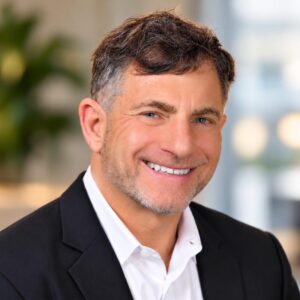
Drawing on his technology background, Kaplan used AI to organize medical information, explore research, and prepare better questions for his physicians. His writing examines the opportunities and limitations of AI in patients’ hands, the challenges of navigating medical uncertainty, and the importance of shared decision-making.
His book includes a foreword by interventional cardiologist and coronary stent innovator Dr. Tim Fischell. At HeartCEO.ai, Kaplan shares his continuing journey and resources to help readers participate more thoughtfully in their care. He also posts on X.