Two months after I wrote that it might happen, the United States has officially lost its measles elimination status. The Pan American Health Organization rescinded this status on November 17, 2026, due to twelve consecutive months of continuous transmission. This is a public health failure.
Vaccine hesitancy has always been around. Prior to 2015, it was seen in mostly religious groups and on the far left. Around 2015, it became appealing to the libertarians and conservatives who wanted to reject mandates of any kind. This was cemented during 2020 and 2021 during the COVID-19 pandemic.
In mid-September, there were 731 cases of measles in Pennsylvania. As of November 20, there are 1,631 cases and 8 measles-associated deaths. The good news is that the number of people seeking the measles vaccine has also increased. The Pennsylvania Department of Health is encouraging vaccination through community outreach and providing pop-up events in affected areas.
I believe that parents are trying to make the best decisions for their families, and what is required right now is a united message that vaccination is a safe, effective, and proven method for reducing the most contagious virus on the planet: measles.
Real physician voices, twice a week
Free, and one click to unsubscribe.
My daughter’s co-worker was in a local store with her infant daughter who was not old enough to be vaccinated. They were in the store during the window of potential exposure established by the Pennsylvania Department of Health. Measles can cause infection for up to two hours after an infected person has left the area. For the next twenty-one days, they had to live with the knowledge that their unvaccinated infant might be exposed. They stressed over every sniffle and sneeze until the incubation period passed. Thankfully, this child was not infected, but in New York State, a too-young-to-be-vaccinated seven-month-old became the state’s first measles death in over thirty years.
The unintended consequences of vaccine hesitancy are that the disease is the most dangerous in children under one who are too young to be vaccinated. Now, health care workers are starting to see cases of congenital measles. This adverse effect of measles can happen when a pregnant person is infected during the last few weeks of pregnancy and they pass it to their baby in utero. It can cause pregnancy complications including stillbirth. These youngest, most fragile patients are the most vulnerable to pneumonia and neurological issues including the rare, but almost always fatal, subacute sclerosing panencephalitis (SSPE).
The most important job of a parent is to protect their children. Our health care decisions should be made using the knowledge that we already have. We have access to a safe, effective method for preventing a disease that can do real harm, especially to the most vulnerable. We know that we are better off without the threat of measles because since 1991, we did not have to think about it. I hope that in the future, a disease does not have to make a comeback in order for us to take it seriously as a society. The cost of forgetting is too high.
Christine King is a certified registered nurse anesthetist (CRNA) with 20 years of experience in a field that demands precision, empathy, and a deep understanding of health care. Her clinical background informs a holistic perspective she brings to life’s challenges, whether in the operating room or in everyday life.
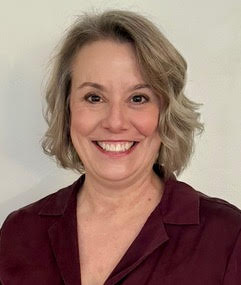
Now focused on writing, she draws on two decades of practice to explore the human side of medicine. Her work has appeared on KevinMD, and she writes at The Best Third and on Medium. She shares updates on LinkedIn.
Your KevinMD author page is one of the top results for your name. Turn it into a premium profile, publish in 1 to 3 days, and get a guaranteed podcast slot.