





I was fifteen when I was diagnosed with type 1 diabetes in February 1980. My blood sugar was around 600, and I spent two weeks in the hospital. Until then, I’d been able to eat lunch without doing arithmetic. Now I had to think about what I was going to eat, how much insulin I’d need, and what might happen if I got the calculation wrong. I became so intent on understanding the disease that I decided to make a profession of treating it.
On November 14, 2026, the Empire State Building went blue for World Diabetes Day. So did the Helmsley Building and, farther north, Niagara Falls. I thought about the fifteen-year-old I’d been and what she would have made of a device that could warn her that her glucose was falling before she felt it. I suspect she’d have asked whether she could turn the alarm off in class.
When I was diagnosed, much of the insulin in use came from animal pancreases. In 1982, the Food and Drug Administration (FDA) approved the first biosynthetic human insulin. By the time I opened my own endocrinology practice in Nashville in 1997, rapid-acting insulin had arrived, and the Diabetes Control and Complications Trial had shown that intensive treatment could substantially reduce the risk of eye, kidney, and nerve complications in people with type 1 diabetes. We could give patients a much better account of what all that daily work might buy them. We were still asking them to do a great deal of it with a handful of glucose readings and whatever they could remember about lunch.
Early on, a fingerstick could tell me my glucose at a particular moment. A continuous glucose monitor shows me where it is headed. The FDA approved the first continuous glucose monitor in 1999. In 2016, it approved a hybrid closed-loop system that could use sensor readings to adjust background insulin delivery automatically. Now I wear a sensor that talks to my pump. After decades of trying to anticipate what my glucose might do while I slept, I have a device that works overtime. It’s not the same as having a working pancreas, but it’s the best we have, and I am grateful for it.
Real physician voices, twice a week
Free, and one click to unsubscribe.
The advances in type 2 diabetes have changed the questions we ask in the exam room. We can choose certain medications for their documented heart or kidney benefits as well as their effect on glucose. And yet the International Diabetes Federation estimates that in 2024, 589 million adults ages 20 to 79 were living with diabetes worldwide, and about 252 million of them had yet to be diagnosed. A treatment can be remarkably effective and still make little difference to someone who has yet to find out they need it.
The theme for World Diabetes Day this year is “Early action on diabetes.” For a patient at risk of type 2 diabetes, early action might mean screening during an ordinary office visit, when they feel perfectly well, and a referral to a structured prevention program when appropriate. For a family with a history of type 1 diabetes, it can mean a conversation about autoantibody screening before symptoms appear. For the patient already diagnosed, it may mean asking a question that never appears on a glucose report. How much is all of this asking of you between appointments?
As an endocrinologist, I could see whether a patient’s glucose was running high overnight. The graph couldn’t tell me whether the alarms were waking the whole household, whether the patient was afraid to take enough insulin because of a frightening low, or whether a change in insurance had made next month’s supplies an open question. Those were things I had to ask about. And they mattered to what I prescribed as much as the numbers on the screen.
I’m retired from practice now. I still have to decide how much insulin to take for dinner. I still think about what a walk might do to my glucose, and I still hear the alarm when it goes off in the middle of the night.
The skyline was blue for one night. My pump and I worked through it. Diabetes is every minute of every day. The fifteen-year-old in that hospital bed would have been astonished by how much of the work my pump can do. She’d recognize the part that’s still mine.
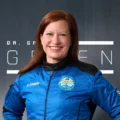
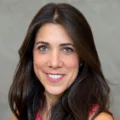
Andrea Hayes is a retired endocrinologist, author, and speaker whose work brings uncommon candor and humor to the realities of medicine, illness, and the human body. After nearly three decades in clinical practice, including years leading a high-volume endocrine and diabetes center, she now writes and speaks about health care, chronic disease, physician burnout, patient behavior, and the often-absurd intersection between science and daily life.
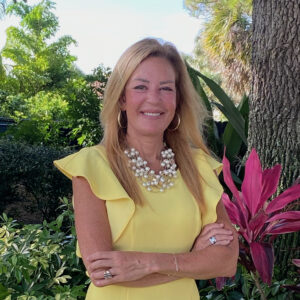
Diagnosed with type 1 diabetes as a teenager, Hayes offers a rare perspective from both sides of the exam room, as physician, patient, survivor, and storyteller. Her forthcoming memoir, Floodline: Blessings and Betrayals of a Life in Medicine, explores illness, faith, betrayal, resilience, and reinvention. She is also the author of Peach Cobbler Is Not a Fruit, a humorous essay collection drawn from the endocrine trenches.
She writes on Substack and shares updates on her website, LinkedIn, Facebook, and Instagram.