In September 2025, The Atlantic reported on a frenzy surrounding leucovorin, a folate derivative long used in oncology and rheumatology. Families desperate for answers were suddenly told it might be a miracle therapy for autism. Waitlists stretched years, clinics were overwhelmed, and hope surged. The problem was not just scientific, it was political. When President Trump and HHS Secretary Robert F. Kennedy Jr. endorsed leucovorin, they amplified demand without the evidence to support it.
This is the essence of hype: Elevating a speculative therapy into the spotlight while ignoring the slow, careful science that has already given us proven treatments. Physicians must remind families that robust evidence exists, and that chasing headlines can be dangerous.
The science gap
Leucovorin’s appeal rests on a theory: That “folate receptor antibodies” block folate transport into the brain, and leucovorin bypasses this blockade.
Small studies have suggested language gains, but no large randomized trials have confirmed efficacy. One trial was suspended; another remains unpublished. Meanwhile, families report troubling side effects, hyperactivity, irritability, and ADHD-like behaviors.
Real physician voices, twice a week
Free, and one click to unsubscribe.
The American Academy of Pediatrics has not endorsed leucovorin for autism. The evidence remains thin, and the risks are real. Yet political endorsement gave it legitimacy, fueling parental hope and commercial opportunity. This is junk science hype: Bypassing the grind of evidence in favor of headlines.
The real science: RUPP 2002
Contrast this with the Research Units on Pediatric Psychopharmacology (RUPP) trial published in the New England Journal of Medicine in 2002. That study demonstrated that risperidone significantly reduced tantrums, aggression, and self-injurious behavior in children with autism.
The placebo effect was robust, about 12 percent (one in eight patients), but the drug’s benefit was clear, reproducible, and statistically significant.
This matches 30 years of clinical experience with fad diets and complementary and alternative medical “treatments” for autism. Families often report short-term improvements when something new is introduced, but those gains rarely endure. The RUPP trial showed us the difference between placebo-driven hope and evidence-based progress. It remains a model of how science should guide care.
Placebo, fads, and common sense pediatrics
The Atlantic article also noted families layering leucovorin with omega-3 fatty acids and other supplements. This stacking obscures signal from noise. When hyperactivity rises or language improves, attribution becomes impossible.
As pediatricians, we know the timeless rule: Introduce one new variable at a time, document reactions, and wait. It is the same principle we use with solid foods in infants. Ignore it, and you will never know whether the rash, or the hyperactivity, came from peas or from folate. Common sense pediatrics is simple, but rare.
Defensive medicine and everyday frustration
Meanwhile, physicians are buried in bureaucracy. At a recent ENT follow-up for my sinuses, eight signatures were required just to check in. Defensive medicine has become the default posture. The system piles on paperwork to protect institutions, not patients.
Against that backdrop, families are understandably drawn to miracle cures. They crave something that feels like care rather than compliance. When the daily reality of medicine is defensive signatures and redundant forms, hype looks attractive, even if it is hollow.
Physician responsibility
Our responsibility is to protect hope from hype. That means acknowledging the placebo effect, warning against stacked fads, and reminding families that real science already exists. The RUPP trial gave us evidence. The Atlantic article gave us a cautionary tale. Politics gave us hype.
I think of one mother who searched for nearly 18 years to find me, who had diagnosed her then 5-year-old child with autism, and who needed help for her now adult child to access the resources he is entitled to. The authorities at the Arizona Division of Developmental Disabilities failed to inform her of the LEND program, which could have solved her dilemma. Families like hers remind us that hope is precious, but it must be protected from hype and guided by evidence.
Physicians must reclaim the narrative. We must educate families about the difference between press-conference science and peer-reviewed science. We must resist the temptation to chase headlines and instead advocate for systemic reforms that reduce bureaucracy and restore trust. Above all, we must remind families that hope is not found in hype, but in careful stewardship of evidence.
Our calling is not to chase junk science or drown in paperwork. It is to steward hope, through evidence proven decades ago, through artful practice, and through common sense pediatrics.
Ronald L. Lindsay is a retired developmental-behavioral pediatrician whose career spanned military medicine, academic leadership, and national advocacy for dignity-centered neurodevelopmental care. His NIH-funded work with the RUPP Autism Network helped define evidence-based approaches to autism and related developmental disorders.
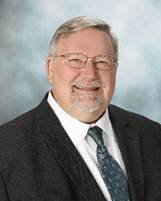
He directed the LEND Program at The Ohio State University and founded JBLM CARES, a $10 million autism resource center for military families. His writing spans clinical scholarship and long-form fiction. He is the author of The Mercy Directive and the six-novel Cassandra series, a completed political and medical fiction saga tracing the rise of the Cassandra system from its origins to its national and international legacy. His forthcoming memoir, The Quiet Architect, examines how conscience and structure collide in modern medicine.
He shares updates on LinkedIn.