
















Can we move the line between good and evil? Aleksandr Solzhenitsyn concluded that “the line dividing good and evil cuts through the heart of every human being.” It is an idea I have heard Arianna Huffington return to often. Solzhenitsyn also believed that line shifts over a lifetime.
As AI reshapes every role and competition grows sharper, how do we push that line toward good? That line runs through the homemaker and the nurse, the custodian and the CEO. It runs through you and me!
My answer is trust, because trust is what makes people secure enough to be generous. In my 2024 burnout survey of orthodontists, presented at the American Association of Orthodontists, the biggest challenge was not clinical. It was managing people.
Insecurity is contagious
At home, a spouse who suspects the other of controlling the money starts checking and keeping score; soon both do, and the distance grows. Among friends, the bill may always land on the one who seems well-off. Whether they earned it, inherited it, or are between jobs, that money is their security, not ours to spend. No wonder people with money feel everyone wants something from them.
Real physician voices, twice a week
Free, and one click to unsubscribe.
At work, it looks like turning the boss against a promising newcomer, keeping a talented colleague down, clipping a hard worker’s wings so they never fly away, drip-feeding knowledge to stay indispensable, dropping influential names to borrow worth, bending stories to divide a team, treating a supporter’s friendship with a rival as betrayal, or holding a grudge for years. To an insecure person, someone else’s rise feels like their own fall. If I am unhappy, your joy feels like an insult.
We share, someone takes advantage, and we stop sharing. A leader praises, someone asks for more, and the praise stops. Goalposts move. “No good deed goes unpunished” becomes the unwritten rule.
These behaviors are rarely malice; they are often fear: In experiments, power made people aggressive only when they felt incompetent. And hostility trickles down the ranks. In hospitals, senior staff withhold flexibility from juniors, afraid leniency will be abused, while juniors hide mistakes.
Why now
The share of Americans who say most people can be trusted fell from 46 percent in 1972 to 34 percent. And 52 percent of U.S. workers worry about how AI will affect the workplace. Layoffs add to the fear: U.S. employers have announced more than 600,000 job cuts this year, including over 35,000 in health care. And scarcity breeds the oldest fear: For me to have, you must lose. Cain killed his brother Abel when Abel’s offering was favored. In the Mahabharata, Duryodhana, heir to a kingdom, refused his Pandava cousins even five villages, and war consumed both sides. Many pull away, afraid of being used, feeding what the Surgeon General called an epidemic of loneliness.
What it costs patients
Insecure people hide what they don’t know, and in health care, silence can hurt. Medical trainees weigh whether asking for help will cost them credibility. Amy Edmondson found the best-led hospital units reported more errors, not because they made more, but because they felt safe admitting them. That psychological safety protects patients.
What we can do differently
- Promote leaders on how many people grew under them. Physicians who rate their leaders higher report less burnout.
- Make leaders secure, then hold them accountable. Power-hungry leaders’ sabotage of skilled people disappeared once they felt secure.
- Build checks and balances. Confidential channels, well-being surveys, and a real voice for junior staff, as my colleagues and I recently proposed.
- Go first. In one study, about half of people were conditional cooperators: They gave more when others did. Split the bill. Credit the junior in the meeting. Teach generously; give people wings.
- Extend trust. Assume good intent before bad. In a classic experiment, many strangers returned money they could easily have kept. We have written before about rebuilding trust between physicians and administrators.
- Name the fear out loud. Said without blame, it often breaks the cycle.
Calm is contagious, too
When a monitor alarm goes off, a good nurse doesn’t panic. “Stay calm,” the nurse says gently, with a smile, and the patient breathes easier. One upbeat member can lift a whole group’s mood.
What is truly yours cannot be taken. Every relationship has its own flavor that no one else can copy. Distraction may hide it; it comes back to light.
Sometimes walking out is right, but loneliness is not the cure. Give people different distances: a small inner circle you trust completely, friendly acquaintances, and kindness with clear boundaries for others. Circles differ by culture: Some draw a sharp line between insiders and outsiders; in others, many people keep only a few close friends. In Robert Axelrod’s cooperation tournaments, the winner started cooperative, responded in kind, and forgave quickly: generous, never a pushover.
In a marriage or a job you cannot simply leave, don’t stay in it alone. Build a team: a trusted colleague, a counselor, a peer group. In a randomized trial, facilitated physician groups eased burnout.
If a workplace stays toxic, leave with dignity. Hand off your work well. Step back; don’t strike back. Revenge keeps you tied to the people you are leaving. Let it go, and walk away in peace when you can.
This age’s alarms will keep sounding: AI, layoffs, rivals, bills. Each of us can be the calm voice in the room. Most rifts begin with fear, not malice, so most can mend. This week, offer one thank-you to a colleague you overlooked, one blameless conversation at home, one open door to someone you once shut out. Nobody can take your light. Walk in that security, and others will find theirs.
Soumya Padala is an orthodontist and dental sleep medicine dentist with many years of experience in patient care, teaching, and research. She was most recently program director of orthodontics at the Dental College of Georgia at Augusta University, and before that she founded and directed the Orthodontic and Dental Sleep Service Line at Rush University Medical Center in Chicago. She is board-certified by the American Board of Orthodontics and the American Board of Dental Sleep Medicine.
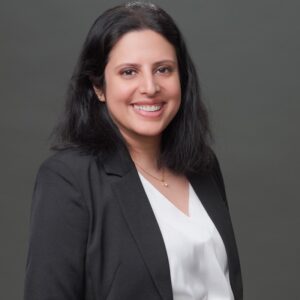
She serves on the editorial board of the World Federation of Orthodontists and is a peer reviewer for several journals. She has published peer-reviewed articles and a book chapter. She led the first survey to study burnout among North American orthodontists, and the American Association of Orthodontists used her findings in its mental wellness resources.
She speaks about burnout, loneliness, and resilience at national and international meetings. She believes in saying what needs to be said, even when it’s uncomfortable, if it makes things better for patients, students, and colleagues. She is a Public Voice Fellow of The OpEd Project, and her love for words grew from reading Arianna Huffington’s work.