

Listen and followApple PodcastsSpotifyYouTubeMore apps · Browse all episodes
“I just started laughing. It was early on Monday morning during our COVID surge. I couldn’t help myself. Phones were not on yet, but I already had triage COVID calls. “Put on your roller skates” was all I was thinking. I questioned my laughter.
The day and a life of a primary care physician during COVID. Not a fun one by any means. Certainly not one to laugh at. But, if we don’t laugh, we would cry. Everyone knows that cliche. Our days never end. We don’t leave. The EMR has made sure of that. The nurses and staff are expected to smile and be respectful. They have, in fact, been so amazing during this pandemic. They have shown up every day with smiles on their faces.”
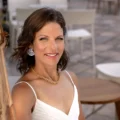
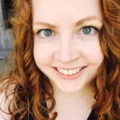
Kelly Lisciandro is an internal medicine physician.
She shares her story and discusses her KevinMD article, “Why do I laugh during a pandemic?”
Did you enjoy today’s episode?
Please click here to leave a review for The Podcast by KevinMD. Subscribe on your favorite podcast app to get notified when a new episode comes out!
Do you know someone who might enjoy this episode? Share this episode to anyone who wants to hear health care stories filled with information, insight, and inspiration.

Hosted by Kevin Pho, MD, The Podcast by KevinMD shares the stories of the many who intersect with our health care system but are rarely heard from.


Transcript
Kevin Pho: Hi, and welcome to the show, where we share the stories of the many who intersect with our health care system but are rarely heard from. My name is Kevin Pho, founder and editor of KevinMD. Today on the show, we have Kelly Lisciandro. She is an internal medicine physician, and she wrote the KevinMD article “Why do I laugh during a pandemic?” Kelly, welcome to the show.
Kelly Lisciandro: Hi, Kevin, thanks for having me today.
Kevin Pho: We’ll get into your article in a little bit, but first off, can you share your story and your journey to where you are today?
Kelly Lisciandro: Yeah, so I am an internist in primary care in Rochester, New York. I started my career late, or started medical school late; I was 29 years old. I ended up getting my master’s degree when I did not get accepted into medical school in my first round of applications. I ended up in a lab. I was at the University of Buffalo, Roswell Park division, with a master’s degree in natural and biomedical sciences, and I found that I really did not like the lab, that I was going along the wrong path, and that I really wanted to be a physician. I wanted to be in primary care. I wanted to have a relationship with patients where I could care for them but also grow with them, and that was always my passion.
So I applied to medical school during my second year of grad school, and I included osteopathic schools at that time. I hadn’t the first time I applied, but now I was 28 years old and was looking at being a non-traditional student, in that I was older and I had had some life experience. I got my master’s degree; I’d done other things first. So osteopathic medicine, although I loved the philosophy, I really thought that was probably my best bet. So while I was defending my thesis, I was accepted to New York College of Osteopathic Medicine in Old Westbury. I was really excited. It was exactly what I had set out to do. So I was 29 and going to medical school.
I spent two years in Long Island doing my coursework, which I loved. I loved the area, I loved osteopathic medicine, and I loved osteopathic manipulation. I thought that it was just incredible, if you had that experience with it, knowing that it works. But my love was back in western New York. I’m from a small town in western New York, and I knew I wanted to come back, and osteopathic medicine is not that prevalent here, and certainly not many people do osteopathic manipulation.
So my third year of medical school, I ended up in Auburn, New York, at Auburn Memorial Hospital, with the goal of being in a rural track, because I was from a small town, and the idea was that if I liked rural medicine, I would go back to my hometown and practice medicine there. I found that I didn’t like it, that I was in a town without a full-service hospital. I felt like medicine just wasn’t right for me. So my fourth year, I ended up in Rochester a lot, Buffalo, Silver Creek. I think I did about four months of rotations at Rochester General, and I fell in love with the hospital. It was where I wanted to be. I had ties to the area, and it was my place. It was my place; I was comfortable.
So I matched with the University of Rochester internal medicine and primary care program in 2000. I was the last of the class. The majority of my time was spent at Rochester General. I did a few months at Strong Memorial Hospital, and I think I did one month at Genesee Hospital, which closed that year, in 2001. I knew that I wanted to be where I was. I knew that it was the right place for me. I was in a primary care program, so the goal was that I would stay in this area and I would practice here.
So I was assigned to a private internist, who I spent three years with, doing all my clinic. I was never in one of the clinics with the hospital. I was with him, and I learned a tremendous amount from him, and I learned the art of primary care, and I loved it. I loved it. I knew it was the right path. During my time, though, I had been trained by so many internists in the area that I really had my eye on Lynda Medical Group, the group I’m with now. There were five physicians at that time. One of them was my chief resident for two years, who I had learned a tremendous amount from.
So I joined Lynda Medical Group when I finished my residency and started a practice from scratch. There was nobody retiring, nobody to give me a practice, so I started fresh. And what that brought to me was a really young population. I was the doctor that all the kids graduating from their pediatric office came to. So I have spent 18 years watching them grow up, get married, build careers, and have families, and it has been so fulfilling. The other part of my practice was people my age, and it was a joke that I would be having my stress test when they were having theirs, and that I would grow old with them, and until my mind was gone, I would take care of them. So my practice really has been long-term. I love primary care. I love medicine. It was the right fit for me, and it still is. I’m not as fulfilled in 2020, but, you know, I think all of us probably have a few words to say about that.
Real physician voices, twice a week
Free, and one click to unsubscribe.
Kevin Pho: I’m an internal medicine primary care physician as well, and some would say that we’re the last of a dying breed, right? So tell the audience, what keeps you going in primary care today?
Kelly Lisciandro: I love my patients. I love my partners. I love my patients. I love my office. There is nowhere else I want to be. It is a dying breed, but if you’re good at it, and you’ve learned the art of medicine and providing medicine to patient care, it is the place to be. It’s unfortunate that we’re teaching residents right now in our office, and they’re not seeing all the fun stuff. They’re not seeing all the acute care, the stuff that makes us feel like doctors. You know, they’re seeing diabetes and hypertension, just not seeing the fun stuff. And not that illness is fun, but it is. I like to take care of acutely ill patients, and we’re missing that. I think that, yeah, we are a dying breed, and how do we teach when we can’t have the sick in our offices?
Kevin Pho: So let’s transition now into the KevinMD article that you wrote. It was back in January, and it was titled “Why do I laugh during a pandemic?” Now, for those who didn’t read that article, can you just walk my audience through it and share the story of why you decided to write it?
Kelly Lisciandro: I wrote it after a Monday morning, walking into the office and having COVID calls before the phones came on, because we have triage nurses. And I just started laughing, like, “Oh my God.” It should be such a hard day. Just like every day, it’s just hard. And I did question a little bit, you know, “Why am I laughing? This is really bad. The pandemic’s bad. This is hard. It’s hard on us. It’s hard on our staff. It’s hard on nurses. It’s hard on everybody. It’s hard on our community.”
And I was inspired to write about, you know, how resilient we have to be during this, and how we have to laugh, because if we didn’t laugh, we’d cry. It’s so cliche to say, but it’s true. And I wanted to say what I had to say. I wanted somebody to read it. I wanted, even if I got to one person, that I changed their attitude about COVID or their attitude about medicine and health care right now; then I did what I set out to do.
Kevin Pho: So we’re talking in the middle to the end of February. We’re about a year into the pandemic, and it is so difficult for everybody: of course, patients, but clinicians and support staff. What are some of the ways that you are doing to help you get through some of these difficult times?
Kelly Lisciandro: I write, which is cathartic and very helpful for the mental health. I’m not burned out. I want to do more. I feel helpless being out here as opposed to being in the hospitals during, you know, a surge, and the physicians and health care, everybody in the hospital, is being so overwhelmed. You kind of feel obsolete out here, that, you know, we try to keep people healthy out here and try not to burden them, but the hospital is where it is right now, and the hospital is overburdened. The physicians, nurses, they’re all overworked. They’re tired. And whatever we can do out here, you know, to help ease what they’re going through, I think is really important. I do think primary care is still really important, to try to keep down the spread, to try to keep patients out of the offices that are sick, and, you know, where do we do our part?
Kevin Pho: What kind of advice do you have for primary care physicians across the country? Like I said, we’ve been approaching a year. Sometimes you find nuggets of humor during the day. Now, what kind of advice can you give to other clinicians on how to find their nuggets of humor during this difficult time?
Kelly Lisciandro: Wow, that’s tough, because I think we’ve all been isolated for 11 months, and I’ve been to work at home. So, you know, we all have to find our ways. I have definitely been, what’s it called, nesting. I’ve changed my lifestyle tremendously when it comes to food. I buy groceries every week, I Instacart, but I enjoy being home, and I don’t think I could have said that six months ago. I think I would have said, “This is grueling. I don’t want to be isolated anymore.” But you find your way. You have to find your way. You have to find something at home, while you’re isolated, that makes you feel good, that makes you feel good about yourself, that gives you that time to relax and say, “I got through today, and tomorrow’s a new day, and things are getting better, and things will continue to get better if we do what we’re supposed to do.”
Kevin Pho: We’re talking to Kelly Lisciandro. She is an internal medicine physician, and she wrote the KevinMD article “Why do I laugh during a pandemic?” Kelly, one of the things that impressed me during your story was the relationship and the passion that you have, of course, for patients. Now, as we approach one year into the pandemic, how has this difficult year changed you as a physician?
Kelly Lisciandro: I am not as fulfilled as I have been for 17 years. My 18th year was a hard year, and I’m not fulfilled, but I’m not burned out. I want more, and I don’t know where I go. I don’t know where I go with that, with the idea. I’m 53 years old, and I want to do more. I want a voice. I don’t want to feel helpless in any fight ever again. I want to be there for my patients. I want to continue to provide great care to them. I want them safe. I love seeing their faces when I’m on telemedicine. I say, “Thank goodness that you look OK, that you’re OK.” But I don’t know if this is, I don’t know where I go. I don’t know where I go from here. I’m very passionate about public health, and I didn’t really realize that until this year.
Kevin Pho: Now, is there anything that you would do differently going forward because of the past year’s experience?
Kelly Lisciandro: Well, yes. I want to keep telemedicine to a minimum. I feel like it creates so much more work for us as physicians, and there’s not that much satisfaction for patients and for physicians. One visit in the office can be one visit, one and done. We saw the patient, we know the patient, we know what’s going on. Telemedicine has changed that. It’s two, three, four visits or phone calls. It’s just not satisfying. It’s too much work. I think for a lot of things in primary care, it doesn’t work. It doesn’t work well.
So I do know that I will not be a telemedicine practitioner. I can do it for some things; all my psych follow-ups are all telemedicine. I don’t bring them in, and that’s appropriate. But I do know that moving forward, I want to see my patients. I want to see them in the office. I want to take care of them. I want to provide patient satisfaction, because I think it has suffered this year, and physician satisfaction too.
Kevin Pho: So a lot of primary care physicians are doing telemedicine, and I do some telemedicine myself. So just give my audience a sense of what’s missing in a virtual visit.
Kelly Lisciandro: There is everything about a face-to-face communication, that non-verbal language. You can read a patient; we’re taught to observe. When you’re on a telephone or a video, you don’t observe like we do in person. So that’s number one. Number two, I feel like I have missed things on telemedicine. And then when I bring the patient and say, “OK, enough, you’ve got to come in,” you know, I’ve ordered an MRI of the brain on a patient. I never got there.
I think that it’s so hard, first of all, to do all the triage. You know, we’re doing medication reconciliation, we’re doing all their complaints, and then to get to the heart of why you’re on that visit, I don’t feel like we get there effectively enough. I think that it’s so effective in the office. It’s just very, very different, and it’s not, I don’t like it. I don’t provide good medicine. I do the best I can with what we have.
Kevin Pho: Hey, my final question. What’s your take-home message that you want to leave with the KevinMD audience?
Kelly Lisciandro: I want people to be optimistic right now, that we are trending down throughout the country. My area is doing great. I think we’re down to like 2.3 percent. So continue to mask, don’t gather, distance. Let’s do what we have to do and just stop the spread. Get vaccinated. You know, whatever we can do to stop this and get to some sort of normalcy again, not only in the health care field, but for all of us in our lives.
Kevin Pho: Kelly, thank you so much for sharing a picture of primary care during the pandemic, and thanks again for being on the show.
Kelly Lisciandro: Thanks, Kevin.
Listen and followApple PodcastsSpotifyYouTubeMore apps · Browse all episodes