“The brain is a wonderful organ. It starts working the moment you get up in the morning and does not stop until you get into the office.”
– Robert Frost
Since the publication of my first nonfiction book, Failure to Treat: How a Broken Healthcare System Puts Patients and Practitioners at Risk, I have been deluged with medical stories. In fact, nearly everyone who has read the book has been anxious to tell me about cases that have adversely affected themselves or someone in their family. Their stories have common themes, many having to do with cost or availability of care. But perhaps what has been most frustrating have been situations in which there is powerful evidence that medical professionals in whom they placed their trust simply failed to use their brain.
The most recent example came from one of my medical school roommates. Patrick is a retired and highly successful endocrinologist, reputed for his thorough and thoughtful care. His brother, Myles, had recently seen his primary care doctor because he noticed swelling in his ankles. Without explaining why, the physician told Myles it could be heart failure, and he would need to see a cardiologist. When Patrick called the office to obtain more information for his anxious brother, he was put on the phone not with the doctor who saw Myles, but with his nurse practitioner. She could find no evidence in the chart that a physical examination had been performed or that pertinent laboratory work had been ordered. She could only state that the doctor had been worried about heart failure and referred the patient to a cardiologist to have him “checked out.”
Over the last few decades, medical knowledge has exploded. Thousands of clinical trials have enabled the approval of hundreds of new drugs and devices. Through no fault of their own, clinicians are struggling to keep up. Increasing time in the office means less time to read and attend conferences. Primary care doctors have been under particular pressure. Whereas consultants can focus their attention on a few circumscribed topics, generalists are expected to know something about every disease and organ system. These beleaguered people try to keep their head above water by reading top-line data on the internet.
Real physician voices, twice a week
Free, and one click to unsubscribe.
In their clinical practice, generalists have become increasingly dependent on algorithms. The “If you see this, then do that” approach has become commonplace, particularly among physician associates. Professional organizations have unwittingly contributed by publishing “guidelines” for just about every disease. Though intended to provide up-to-date information, guidelines have been misinterpreted as the standard of care. They have been condensed into diagrams so naive practitioners can select a test or treatment regardless of the individual patient’s profile. Fear of malpractice, another dramatic factor in the denigration of medical care, further motivates primary care practitioners to refer anyone with anything other than a routine problem to a specialist to avoid being sued for a bad outcome. Myles, a diabetic with a positive family history of cardiac disease, was shipped posthaste to a cardiologist without even the most rudimentary work-up that might have revealed an innocent reason for swollen ankles.
Opening more medical schools and using community hospitals for teaching residents and students, though necessary to increase the supply of doctors of all specialties, will dilute the quality of the educational experience even further. Nurse practitioners and physician assistants, extremely valuable associates, are tossed into practice situations for which they are not fully prepared. And throwing gasoline on the fire, our politicians have decided that all will be well when artificial intelligence takes over, when AI will only replicate the robotic behavior of poorly trained practitioners. Despite heavy criticism, AI is being put into place to determine if a test or treatment ordered by a physician will be approved for payment by Medicare.
Medicine is an art form, learned from experienced mentors over many years through direct patient experience. When practiced correctly, it is arguably the most intellectually and emotionally challenging human endeavor. Compassionate and skilled primary care practitioners are in great demand but also underpaid and under siege. Given the avalanche of new medical information, it is certainly reasonable to provide these overworked practitioners with a scaffold of reliable, evidence-based recommendations that they can use as a general guide. But that information always needs to be placed into the context of individual patient needs and expectations as well as concomitant conditions and overall prognosis. It is up to all health care professionals to make sure that cookbook medicine practiced by robots never happens. There is simply too much at stake.
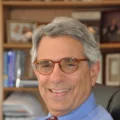
Peter R. Kowey is professor of medicine and clinical pharmacology at Thomas Jefferson University, emeritus chief of the division of cardiovascular diseases at the Lankenau Heart Institute, and the William Wikoff Smith Chair in Cardiovascular Research at the Lankenau Institute for Medical Research.
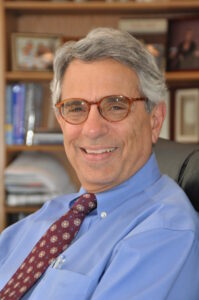
Dr. Kowey is an internationally recognized expert in heart rhythm disorders. His research, regulatory, and clinical trial expertise have led to the development of innovative therapies for cardiac arrhythmias. He is the recipient of more than 150 grants, has written more than 450 papers and scientific reports, and has coedited five textbooks on cardiac arrhythmia. He has trained hundreds of fellows who practice cardiology and cardiac electrophysiology around the world.
Dr. Kowey is a fellow of the American Heart Association, the American College of Cardiology, the American College of Physicians, and the Heart Rhythm Society, along with several other professional organizations. He was a member of the Cardio-Renal Drug Advisory Committee and the Cardiovascular Devices Advisory Committee of the Food and Drug Administration. He has received numerous awards, including the Edward S. Cooper Award from the American Heart Association and the William Osler Award from the University of Miami.
Dr. Kowey is a graduate of St. Joseph’s University and the University of Pennsylvania School of Medicine. He completed his residency training in internal medicine at Penn State University and was a fellow in cardiovascular medicine and research at the Harvard University School of Public Health, the Peter Bent Brigham Hospital, and the West Roxbury VA Hospital. He has published six novels and is the author of the upcoming book Failure to Treat: How a Broken Healthcare System Puts Patients and Providers at Risk. He shares updates on Instagram, YouTube, TikTok, and Substack.