










In the part of India where I grew up, we often heard the Telugu expression gandam (గండం), referring to a situation of great danger, sometimes involving a threat to one’s life. If an individual overcame a gandam, it was generally understood that he or she had another opportunity to live. An individual could encounter several such situations during a lifetime.
Leaving aside the astrological interpretations associated with this concept, I find it interesting to examine its relevance to our understanding of aging and death. Do we die because we have aged, or because we encounter a biological crisis that we are no longer able to overcome?
Do all our biological systems age together?
Although the neuronal, immunological, cardiovascular, respiratory, renal, and other physiological systems of an individual have the same chronological age, there is little reason to assume that they age at the same rate. Genetic predisposition, nutritional status, environmental exposures, infections, lifestyle, and differences in the capacity for cellular repair and regeneration may influence their aging differently.
Real physician voices, twice a week
Free, and one click to unsubscribe.
Recent studies published in Nature and Nature Medicine, employing plasma proteomics, provide evidence of considerable differences in the estimated biological ages of individual organs. More recently, Burraco and Boonekamp discussed the concept of mosaic aging and its relationship to the cause of death.
How much functional life, then, remains in the various biological systems of an individual at the time of death?
When one biological system fails
Changes in immunological surveillance with advancing age may allow the survival and proliferation of transformed cells that might otherwise have been recognized and eliminated. Although impaired immune surveillance is only one of several factors contributing to cancer, an individual may develop a life-threatening malignancy while retaining reasonably good cardiovascular, neurological, and renal functions. Conversely, an individual with relatively well-preserved immunological functions may suffer a fatal myocardial infarction following the rupture of an atherosclerotic plaque and the formation of a thrombus.
Even relatively minor changes in neuronal or neuromuscular functions may have serious consequences. Impairment of the mechanisms involved in swallowing may result in aspiration, pneumonia, and eventually respiratory failure.
The biological system that initiates the sequence of events leading to death may not necessarily be the one that ultimately fails or the one that has aged the most.
Could death, at least in many instances, be considered the consequence of a biological accident arising either from within the body or from an external factor? The rupture of an atherosclerotic plaque, the formation of a thrombus, or a disturbance in cardiac rhythm may arise from within the body, whereas exposure to infectious agents, environmental toxicants, and physical injuries may constitute external precipitating factors. In either case, death may result from the failure of one or more biological systems essential for life, even when the other systems retain considerable functional capacity. Whether an individual survives such an event may depend not only on the condition of the affected biological system but also on the capacity of other systems to compensate for its impaired function.
By accident, I do not mean an event without a biological explanation, but one whose timing and consequences may be difficult to predict. Aging may increase both the probability of encountering such an event and the likelihood of succumbing to it. Such events, however, can occur at any age. In some individuals, of course, death may result from a gradual decline in the functions of several biological systems.
The environment in which we live
Environmental conditions may influence both the aging of our biological systems and the likelihood of encountering potentially fatal situations. Prolonged exposure to air pollutants may compromise cardiovascular and respiratory functions. Even short-term exposure to certain air pollutants may increase the risk of myocardial infarction in susceptible individuals.
Access to safe drinking water, adequate sanitation, personal and community hygiene, and nutritious food may considerably influence the incidence of life-threatening illnesses. Much of the improvement in human life expectancy over the past century, particularly in countries such as the United States, can be attributed to public health improvements and the control of infectious diseases rather than to any deliberate intervention to slow biological aging.
Survival may be a matter of logistics
An individual may survive a myocardial infarction at 55, cancer at 65, pneumonia at 75, and a stroke at 85. Each could have been a gandam. Survival depends on the severity of the crisis, the remaining physiological reserve, and how quickly appropriate medical care becomes available.
In India, particularly in densely populated urban areas, traffic congestion and limitations in ambulance services may considerably delay medical attention. Equally important is the availability of trained personnel and appropriate equipment to provide emergency medical care during transportation. An ambulance should serve not merely as a means of transportation but also as an extension of emergency medical care.
A systematic review of myocardial infarction treatment delays in South Asia highlights the importance of addressing prehospital delays. Under such circumstances, the difference between life and death may have more to do with logistics than with biological age.
The importance of continuous medical supervision
In the Sumati Satakam, traditionally attributed to the 13th-century Telugu poet Baddena, we are advised to live in a village where four things are available: a person who lends money in times of need, a physician, a perennial source of water, and a Brahmin. It is noteworthy that, centuries ago, the availability of a physician, along with access to water and financial resources, was considered an important criterion in deciding where one should live.
Access to a physician is important not only during a medical crisis but also for what we might call preventive maintenance of our biological systems through regular medical supervision. Early identification and appropriate management of hypertension, diabetes, disturbances in lipid metabolism, declining renal function, and other abnormalities may help prevent potentially fatal events.
Here, I believe, lies one of the most important contributions of primary care. A physician who has followed an individual over several years may be better able to recognize subtle changes in health and determine when specialized medical attention is warranted.
In India, the family physician traditionally occupied an important place in the health care of many families. However, a 2023 study conducted in southwest Delhi found that patients in higher-income groups were more likely to consult specialists directly. A subsequent study found that approximately one in five patients surveyed had sought care at higher-level facilities on their own initiative rather than through a formal referral.
I wonder whether the structure of medical education in India contributes, at least in part, to this practice. Medical qualifications are generally arranged in three tiers: undergraduate (MBBS), postgraduate (MD and MS), and superspecialty (DM and MCh), with other postgraduate qualifications also available. The implications of this hierarchical arrangement for family medicine in India have been discussed in the medical literature.
In contrast, physicians graduating from medical schools in the United States hold an MD or DO degree, irrespective of the specialty they subsequently pursue. Both family medicine and internal medicine are recognized specialties requiring postgraduate training.
I have often noticed an emphasis on specialization among medical professionals from India who have settled in the United States. Even in casual conversations, when I mention that someone is a physician, I am often asked about his or her specialty. Perhaps this reflects, at least in part, the hierarchical perception of medical qualifications that we have inherited from our home country. Could this perception influence some patients in India to seek care directly from specialists or superspecialists, irrespective of the nature of their medical problems?
In the United States, primary care physicians, including family physicians and general internists, continue to play an important role in preventive medicine and the coordination of specialized care, although access to and continuity of primary care remain concerns. Greater continuity of primary care has been associated with lower mortality and fewer hospital admissions.
Advances in specialized medicine should not diminish the importance of physicians trained to look after the health of the individual as a whole.
Are we slowing aging or preventing death?
The transplantation of a kidney, heart, or liver may extend the life of an individual without necessarily reversing the aging of other biological systems. Similarly, a cardiac pacemaker may prevent death from certain disturbances in cardiac rhythm without reversing the aging of the heart itself.
Rather than asking only how we can slow aging, should we also be asking which biological systems are particularly vulnerable, what might precipitate their failure, and how such failures can be prevented or compensated for?
Perhaps there is a contemporary biological interpretation of gandam. Each time we overcome a potentially fatal crisis, we gain another opportunity to live.
Aging may increase our susceptibility to potentially fatal biological events without necessarily determining when or how we die. By improving the environment in which we live, maintaining the functional integrity of our biological systems through continuous primary medical care, and providing timely medical intervention during a crisis, we may be able to live longer without necessarily slowing the aging process itself. Extending human lifespan and slowing biological aging are not necessarily the same.
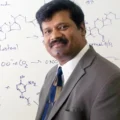
Rao M. Uppu is professor of environmental toxicology and chemistry at Southern University and A&M College in Baton Rouge, Louisiana, where he has served since 2002. He is also an adjunct professor of chemistry and pathobiological sciences at Louisiana State University.
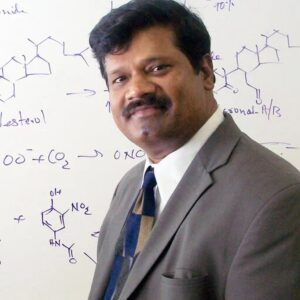
Trained in biochemistry, physical organic chemistry, and free radical chemistry, his research spans bioanalytical methods, biomarker discovery and validation, chemical toxicology, environmental chemistry, computational genomics, reactive intermediates, and the molecular mechanisms of disease. His scholarship is indexed on ORCID, ResearchGate, and Google Scholar.
Dr. Uppu is a Fellow of the American Association for the Advancement of Science (AAAS), the Royal Society of Chemistry (RSC), the Royal Society of Biology (RSB), the Royal Society of Medicine (RSM), the Royal Society for Public Health (RSPH), and the Academy of Toxicological Sciences (ATS).
In addition to his scientific research, he writes reflective essays on scientific culture, mentorship, peer review, ethics, and the human dimensions of academic life. He shares updates on LinkedIn.
Your KevinMD author page is one of the top results for your name. Turn it into a premium profile, publish in 1 to 3 days, and get a guaranteed podcast slot.