Skip to content
  • About
  • Contact
  • Contribute
  • What Physicians Say
  • My Book
  • Careers
  • Podcast
  • Speaking
KevinMD.com — Social media's leading physician voice
  • All
  • Physician
  • Burnout
  • Practice
  • Policy
  • Finance
  • Conditions
  • .edu
  • Patient
  • Meds
  • Tech
  • Social
  • All
  • Physician
  • Burnout
  • Practice
  • Policy
  • Finance
  • Conditions
  • .edu
  • Patient
  • Meds
  • Tech
  • Social
    • All
    • Physician
    • Burnout
    • Practice
    • Policy
    • Finance
    • Conditions
    • .edu
    • Patient
    • Meds
    • Tech
    • Social
    • About
    • Contact
    • Contribute
    • What Physicians Say
    • My Book
    • Careers
    • Podcast
    • Speaking
KevinMD.com — Social media's leading physician voice
  • All
  • Physician
  • Burnout
  • Practice
  • Policy
  • Finance
  • Conditions
  • .edu
  • Patient
  • Meds
  • Tech
  • Social
    • All
    • Physician
    • Burnout
    • Practice
    • Policy
    • Finance
    • Conditions
    • .edu
    • Patient
    • Meds
    • Tech
    • Social
    • About
    • Contact
    • Contribute
    • What Physicians Say
    • My Book
    • Careers
    • Podcast
    • Speaking
  • About Kevin Pho, MD, Founder of KevinMD
  • Aging and dementia: what physicians say, in their own words
  • Artificial intelligence: what physicians say, in their own words
  • Be heard on social media’s leading physician voice
  • Board certification: what physicians say about the boards and MOC, in their own words
  • Cancer: what physicians say, in their own words
  • Children’s health: what pediatricians say, in their own words
  • Contact Kevin
  • COVID-19: what physicians wrote as it happened
  • Custom enhanced author page pricing
  • Diabetes and obesity: what physicians say, in their own words
  • Direct primary care: what physicians say, in their own words
  • DMCA Policy
  • End of life: what physicians say, in their own words
  • Establishing, Managing, and Protecting Your Online Reputation: A Social Media Guide for Physicians and Medical Practices
  • GLP-1 drugs: what physicians say about Ozempic and its successors, in their own words
  • Heart disease: what physicians say, in their own words
  • Immigration and medicine: what physicians say about immigrant doctors and immigrant patients, in their own words
  • KevinMD influencer opportunities
  • Medical errors: what physicians say, in their own words
  • Medical ethics: what physicians say, in their own words
  • Medical malpractice: what physicians say, in their own words
  • Medical school: what students and physicians say, in their own words
  • Mental health: what psychiatrists and physicians say, in their own words
  • Nursing: what nurses and physicians say, in their own words
  • Opinion and commentary by KevinMD
  • Opioids: what physicians and pain patients say, in their own words
  • Physician burnout speakers to keynote your conference
  • Physician burnout: what physicians say, in their own words
  • Physician careers: what physicians say about jobs, contracts, and leaving clinical practice, in their own words
  • Physician Coaching by KevinMD
  • Physician keynote speaker: Kevin Pho, MD
  • Physician personal finance: what physicians say about their own money, in their own words
  • Physician Speaking by KevinMD: a boutique speakers bureau
  • Physician suicide: what physicians say, in their own words
  • Physicians and administrators: what physicians say about who runs medicine, in their own words
  • Primary care physician in Nashua, NH | Kevin Pho, MD
  • Primary care: what physicians say, in their own words
  • Prior authorization: what physicians say, in their own words
  • Privacy Policy
  • Private equity and corporate medicine: what physicians say, in their own words
  • Race and medicine: what physicians say, in their own words
  • Recommended services by KevinMD
  • Residency: what residents and attendings say, in their own words
  • Scope of practice: what physicians, nurse practitioners, and PAs say, in their own words
  • Subscribe to the KevinMD enhanced author page
  • Subscribe to the newsletter
  • Surgeons and surgery: what surgeons say, in their own words
  • Take-home messages: what physicians say when asked to leave one
  • Terms of Use Agreement
  • Thank you for subscribing to KevinMD
  • Thank you for upgrading to the KevinMD enhanced author page
  • The electronic health record: what physicians say, in their own words
  • Vaccines: what physicians say, in their own words
  • Violence against health care workers: what physicians and nurses say, in their own words
  • What physicians say: the KevinMD records
  • Women in medicine: what women physicians say, in their own words
  • Women’s health: what physicians say, in their own words

Why medical cannabis for seniors is surging

Peter Grinspoon, MD
Medications
August 14, 2026
Share
Tweet
Share

Seniors are increasingly turning to cannabis to find relief from the suffering and medical indignities of aging. I see this every day in my primary care clinic. Whether it is the grinding discomfort of chronic pain, the anxiety associated with losing friends and abilities, or the soul-crushing misery of insomnia, older adults are discovering that medical marijuana can often do what many of our standard prescriptions cannot. They are finding that cannabis often provides genuine relief without a laundry list of debilitating side effects. Many of our elders are finding cannabis to be an exit ramp from the polypharmacy that almost inevitably comes with aging.

The demographic shift is nothing short of a sea change. Older patients are currently the most rapidly growing group of cannabis users in the country. Roughly 25.8 percent of medical cannabis patients are 65 or older, and a staggering 34.5 percent fall into the 50 to 65 range. This shift is occurring despite fifty years of misinformation and one-sided science courtesy of our War on Drugs, all of which has needlessly stigmatized this plant-based medicine.

The contradictory and inconsistent messaging that seems to accompany most cannabis education has left the medical establishment ill-equipped to educate patients, or to even sensibly discuss treatment options with them. Doctors are often caught flat-footed when patients broach the subject of medical cannabis. Because of a persistent lack of practical, clinical knowledge, many physicians find themselves unable to answer basic questions or to advise patients, leaving patients to navigate these waters on their own. For lack of better options, patients seek medical advice from well-intentioned bud-tenders who work at the medical cannabis dispensaries and who have no medical training. We can do much better than this.

The solution is to provide physicians with high-quality, balanced, and scientifically informed education about cannabis. After decades of insisting that cannabis does not have any medical value, and of ignoring the lived experience of tens of millions of Americans who have been benefiting from medical cannabis, JAMA has finally started calling for doctors to be educated on this issue. This will be a win for physicians and patients alike.

A legacy of healing

This issue is not just an academic or professional interest for me. When I was just eight years old, my brother Danny succumbed to childhood leukemia. My parents were desperate to lessen his suffering, and I watched them cross legal lines in the early 1970s to procure medical cannabis for him to use. It was the only thing that alleviated the brutal nausea, vomiting, and wasting associated with his chemotherapy. It was extraordinarily effective. It gave Danny the ability to eat, to maintain his weight, and, most importantly to me, to play with his little brother. Witnessing that transformation fixed in my mind a truth that no amount of prohibitionist or DARE-era rhetoric could erase: Cannabis can be a powerful medicine.

That journey came full circle with my father, Dr. Lester Grinspoon, a legendary psychiatrist, cannabis expert, and scholar at Harvard Medical School, who used cannabis himself as he aged to manage chronic pain and cancer-related symptoms. With the use of cannabis, he was able to maintain a quality of life that would have been impossible otherwise. For his end-of-life care, he was mostly able to use cannabis instead of morphine, and was much less sedated and more able to say goodbye to his family than he would have been if heavily sedated on opioids. He had spent his career fighting to educate physicians and the public alike about the medicinal benefits of cannabis and, in the end, demonstrated these same benefits in his personal life.

For the last twenty-five years, I have carried that mission forward in my own practice, helping thousands of patients integrate medical cannabis into their lives safely and effectively.

Clinical pragmatism and navigating risk

It is important to be upfront with patients about the clinical nuances and potential harms of treatment with medical cannabis. Cannabis is not a panacea, and it is not a cure-all for every ailment. It certainly does not work for everyone. Like any medication, it has its legitimate indications and potential side effects. Like other medications, it can be used in a more or less safe manner.

Some patients, particularly those who are cannabis-naive, simply cannot tolerate the impairment or the high that comes with higher doses of THC. Like most other medications used for pain or for sleep, cannabis can cause dizziness, affect a patient’s balance, and temporarily impact short-term memory. We cannot ignore the fact that for a modest percentage of users, cannabis can be addictive. Heavy users can suffer from cannabis hyperemesis syndrome, which is miserable, dangerous, and difficult to control. Cannabis can potentially destabilize people with psychosis or coronary syndromes.

These challenges must be viewed in their proper context. When I look at the entirety of the available scientific literature and the thousands of patients I have treated over the last quarter-century, a clear picture emerges. When used with skill, caution, and proper guidance, cannabis often presents fewer harms than the traditional pharmaceuticals we so readily prescribe to our seniors. Unlike many of those drugs, cannabis does not destroy the liver or kidneys, it does not cause gastric ulcers or chronic constipation, and it does not contribute to the development of dementia.

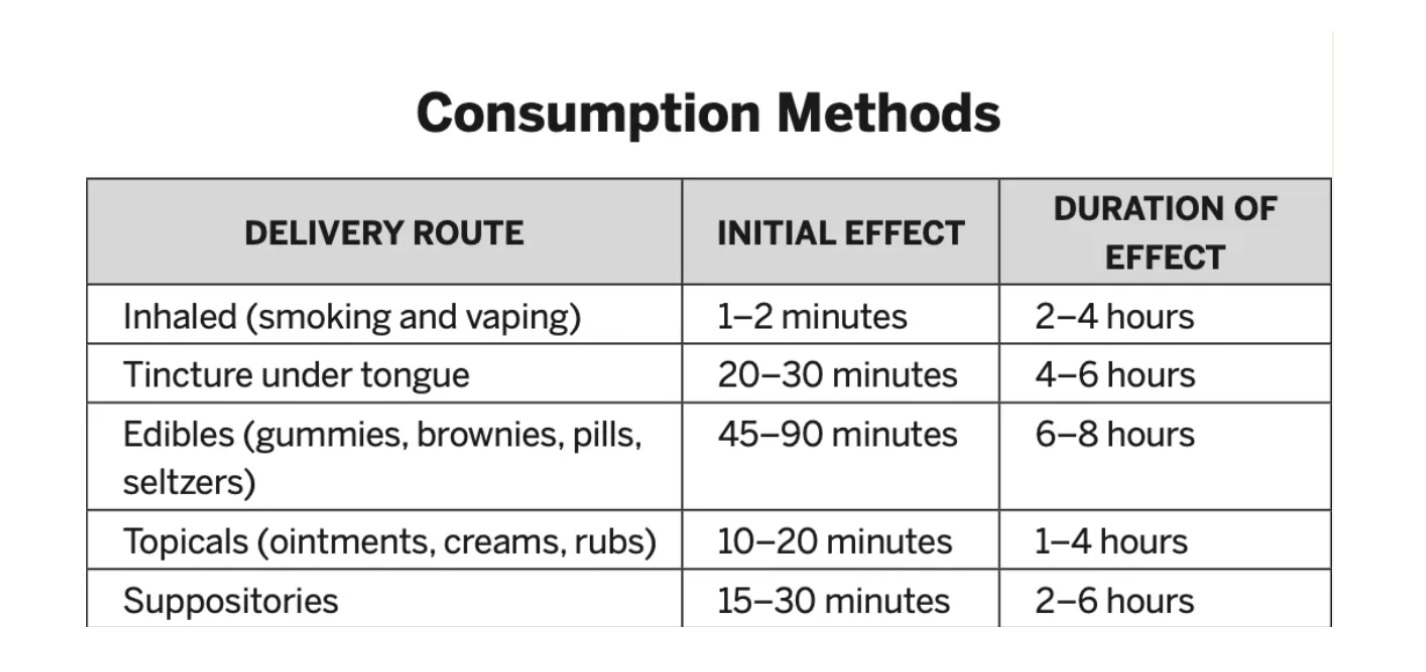
If used correctly, cannabis can be surprisingly safe for older patients. The most important consideration is the dosage. Patients must be urged to start low and go slow when getting started. As with all medications, we strive to use the lowest effective dose. The doses used by medical cannabis patients can tend to be much lower than those used by recreational users. Patients also need to be educated about the relative advantages and disadvantages of different delivery methods. For example, doctors do not typically recommend smoking cannabis because cannabis smoke contains toxic combustion products.

The various consumption methods differ in important ways. I am a big fan of under-the-tongue tinctures, as they make it very easy to carefully titrate the dose of the psychoactive component THC. Tinctures are also easily combined with other medicinal cannabinoids such as CBD.

ADVERTISEMENT
Screenshot

Our job as care providers is to meet patients where they are, armed with evidence and empathy. In the case of the four or so million seniors who are currently using medical cannabis, as well as the millions more who wish to have a sensible discussion with their doctor about potentially using medical cannabis, we have an obligation to educate ourselves on this issue. With proper instruction and guidance, we can help our seniors safely use medical cannabis to improve their health-related quality of life. The ultimate goal of medicine is not just to add years to a person’s life, but to add quality and vitality to those final years. Medical cannabis can be a profoundly helpful tool in this journey.

Peter Grinspoon is an internal medicine physician.

Tagged as: Medications and Prescribing

< Previous Post
Medical students aren't cheating on their essays: They're afraid [PODCAST]
Next Post >
Why AI governance in health care falls on clinicians in 2026


ADVERTISEMENT

More by Peter Grinspoon, MD

  • Cannabis is ground zero in the fight for racial justice in America

    Peter Grinspoon, MD
  • A doctor confronts his addiction

    Peter Grinspoon, MD

Related Posts

  • Why real medical experts must become medical influencers

    Elizabeth Agyeman Prempeh, MD
  • Why North American medical cannabis can’t compete globally

    Michael Sassano
  • Medical school gap year: Why working as a medical assistant is perfect

    Natalie Enyedi
  • Character is not reputation: a medical school reflection

    Reed Popp
  • AI fabricated references threaten medical evidence

    Rao M. Uppu, PhD
  • Why medical simulation training belongs in every rotation

    Chuka Onuh

More in Medications

  • What did the tirzepatide study actually test?

    Jeffrey Laman, MD
  • The conflict of interest that discloses as nothing

    Martha Rosenberg
  • Why cannabis use disorder and withdrawal go unnoticed

    Ginger Constantine, MD
  • How fentanyl misinformation turns suspicion into fact

    Lynn R. Webster, MD
  • The nociplastic pain question new pain therapies avoid

    Amir Friedman, MD
  • mRNA hype moves faster than the evidence behind it

    Harry Oken, MD
  • Most Popular

  • Past Week

    • The insurance maze that single-payer health care would end

      Ilana Slaff-Galatan, MD | Physician
    • The conflict of interest that discloses as nothing

      Martha Rosenberg | Medications
    • How to reassure patients: 5 steps beyond normal tests

      Devina Maya Wadhwa, MD | Physician
    • The real risk of medical tourism complications is distance

      David Feldmar, MD | Conditions and Diseases
    • AI in prior authorization: 3 contract questions for 2027

      Matt Hasan, PhD | Health Policy
    • How to build a dementia care pathway, not a referral sheet

      Gerald Kuo | Health Policy
  • Past 6 Months

    • Why CDC opioid guidelines get the overdose data wrong

      Richard A. Lawhern, PhD | Conditions and Diseases
    • Retirement isn’t the end of medicine, it’s a second act [PODCAST]

      The Podcast by KevinMD | Podcast
    • Sensory processing in autism and the brain’s volume control

      Josette Pelatan, PhD | Conditions and Diseases
    • What maternity care deserts cost a town

      Manisha Kaliaperumal | Health Policy
    • Why medicine needs a national physician license now

      Vaishali Popat, MD, MPH | Physician
    • A cold cost $945. The cost of primary care is broken.

      Susan Newman, MD | Physician
  • Recent Posts

    • The real risk of medical tourism complications is distance

      David Feldmar, MD | Conditions and Diseases
    • Judgment over memory: rethinking medical school

      5 competencies the future of medical education requires

      Narinder Singh Parhar, MD | Medical Education
    • Families see it first: chatbots and psychosis

      AI chatbots and psychosis: Families see the harm first

      Nicole Drapeau Gillen | Health Technology
    • Hearing screening in primary care is a single question

      Rachel Artsma, AuD | Conditions and Diseases
    • Charting after bedtime: why speed never fixes it

      After-hours charting isn’t a backlog. It’s a team problem.

      Karan Kanwar | Health Technology
    • Autism behavior therapy needs a physician in the room

      Suzanne Goh, MD | Conditions and Diseases

Subscribe to KevinMD and never miss a story!

Get free updates delivered free to your inbox.


Find jobs at
Careers by KevinMD.com

Search thousands of physician, PA, NP, and CRNA jobs now.

Learn more

Leave a Comment

Founded in 2004 by Kevin Pho, MD, KevinMD.com is the web’s leading platform where physicians, advanced practitioners, nurses, medical students, and patients share their insight and tell their stories.

Social

  • Like on Facebook
  • Follow on Twitter
  • Connect on Linkedin
  • Subscribe on Youtube
  • Instagram

ADVERTISEMENT

  • Most Popular

  • Past Week

    • The insurance maze that single-payer health care would end

      Ilana Slaff-Galatan, MD | Physician
    • The conflict of interest that discloses as nothing

      Martha Rosenberg | Medications
    • How to reassure patients: 5 steps beyond normal tests

      Devina Maya Wadhwa, MD | Physician
    • The real risk of medical tourism complications is distance

      David Feldmar, MD | Conditions and Diseases
    • AI in prior authorization: 3 contract questions for 2027

      Matt Hasan, PhD | Health Policy
    • How to build a dementia care pathway, not a referral sheet

      Gerald Kuo | Health Policy
  • Past 6 Months

    • Why CDC opioid guidelines get the overdose data wrong

      Richard A. Lawhern, PhD | Conditions and Diseases
    • Retirement isn’t the end of medicine, it’s a second act [PODCAST]

      The Podcast by KevinMD | Podcast
    • Sensory processing in autism and the brain’s volume control

      Josette Pelatan, PhD | Conditions and Diseases
    • What maternity care deserts cost a town

      Manisha Kaliaperumal | Health Policy
    • Why medicine needs a national physician license now

      Vaishali Popat, MD, MPH | Physician
    • A cold cost $945. The cost of primary care is broken.

      Susan Newman, MD | Physician
  • Recent Posts

    • The real risk of medical tourism complications is distance

      David Feldmar, MD | Conditions and Diseases
    • Judgment over memory: rethinking medical school

      5 competencies the future of medical education requires

      Narinder Singh Parhar, MD | Medical Education
    • Families see it first: chatbots and psychosis

      AI chatbots and psychosis: Families see the harm first

      Nicole Drapeau Gillen | Health Technology
    • Hearing screening in primary care is a single question

      Rachel Artsma, AuD | Conditions and Diseases
    • Charting after bedtime: why speed never fixes it

      After-hours charting isn’t a backlog. It’s a team problem.

      Karan Kanwar | Health Technology
    • Autism behavior therapy needs a physician in the room

      Suzanne Goh, MD | Conditions and Diseases

Copyright © 2026 KevinMD.com | Powered by Astra WordPress Theme

  • Terms of Use Agreement
  • Privacy Policy
  • DMCA Policy
All Content © KevinMD, LLC
Site by Outthink Group

Leave a Comment

Comments are moderated before they are published. Please read the comment policy.

Loading Comments...