












As physicians head to the polls, we are afraid for our patients and our profession. We are in a moment of extraordinary turbulence. Administrative overload, political intrusion into clinical care, workforce shortages, hospital and program closures, and public distrust have converged into a perfect storm leading to moral injury.
The future of medicine will be shaped by more than who wins at the ballot box. Our elected officials need not only our votes; they need our voice. Yet at the very moment our collective voice is most needed, membership in organized medical societies is declining. That trend is more than a financial inconvenience to societies: It is an existential threat to physician well-being, patient care, and the integrity of health policy.
Employed physicians may have a false sense that their hospital system is taking care of advocacy for them, yet hospitals are dependent upon complex governmental funding which necessitates policy compromises to protect institutional solvency. Physicians on the frontlines need an independent voice speaking on their behalf because when hospitals lobby, they look at health care through the lens of a balance sheet. Organized medicine is the voice of the physician, advocating for physician autonomy, fair reimbursement, and patient care standards.
Pediatricians like me, and physicians who serve patients in safety-net hospitals, emergency departments, rural communities, and primary care settings, are dismayed as we anticipate the loss of health insurance for as many as 10 million individuals due to HR1 (colloquially, the One Big Beautiful Bill). Because nearly half of all children rely on Medicaid or the Children’s Health Insurance Program, these cuts would have a profound impact on the well-being of a generation for their lifetime and will result in even more delays in care to all impacted groups. As primary care physicians shut their doors and hospitals close because they cannot afford to stay in business, all people will suffer.
Real physician voices, twice a week
Free, and one click to unsubscribe.
Politics at the federal level make it unlikely that HR1 will be reversed, and while states cannot rewrite federal law, state medical societies are working to mitigate the damage that HR1 will cause. The American Medical Association (AMA), Massachusetts Medical Society, and nine national medical societies penned an amicus brief in support of 25 states suing to block the requirement that those with medical frailty must prove that their condition impairs their ability to work. On October 29, Judge Richard Stearns of Massachusetts supported that assertion, giving at least a partial win to the states, making it likely that some people will now be able to maintain or gain Medicaid coverage. Additional measures are being taken to challenge the more frequent (every six months) redetermination of eligibility. California, Virginia, and New Mexico medical societies have also lobbied for state funding to ease the transition period. These actions demonstrate, again, the importance of our state medical societies to physicians and the patients for whom they care.
The Patients First Act, introduced in July 2026, is the most comprehensive physician payment reform bill in more than a decade and a powerful example of the return on investment from joining a medical society. Years of advocacy coordinated by the AMA with state and specialty societies yielded this bipartisan bill. Introduced by leaders of the GOP Doctors Caucus and Democratic Doctors Caucus, it would modernize Medicare quality programs with required physician input, reduce financial penalties, strengthen primary care payment, and establish a permanent inflationary update to Medicare reimbursement. Because Medicare serves as the benchmark for Medicaid and many commercial insurers, improvements in Medicare payment would have ripple effects across the health care system. For the Patients First Act to pass, physicians must encourage their representatives to co-sponsor the bill. Doctors also need to financially support the medical societies that do detailed regulatory tracking while we are busy in clinic.
“I just want to take care of my patients.” Doctors are suffering moral injury because of these attacks on our profession, which stand in the way of patient care. One of the most powerful protective factors against burnout is also one of the most overlooked: belonging. Rather than staying within our clinical silos at our own institutions or gathering on online networking sites to compare grievances, organized medical societies are one of the few remaining structures that reliably create a sense of belonging across specialties, practice settings, and generations. In an era of disinformation and political polarization, societies serve as stabilizing institutions that reinforce the idea that physicians are guided by evidence, ethics, and a commitment to the public good.
Of course, critics will say that struggling clinicians simply don’t have room in their budgets for professional membership dues. It is true that for many early-career physicians, the cost of membership comes at a time when student loan debt and other competing financial demands are a challenge. Our medical societies would be well served to make dues more affordable, including working together to provide discounts when a physician belongs to both their specialty society and state medical society, for example. While affordability is a legitimate concern, with the legislative threats heading our way, the truth is stark: Doctors cannot afford to leave themselves unrepresented.
In this current political and professional climate, joining a state or national medical society is not a symbolic gesture. It is a strategic act of professional self-preservation and a critical investment in the future of medicine.
Voting is not enough.
Lorraine Marasco Schratz is a pediatric cardiologist and physician advocate in the Division of Pediatric, Fetal and Congenital Cardiology at Massachusetts General Hospital, where she directs the Raising Healthy Hearts Program. She is also affiliated with Harvard Medical School.
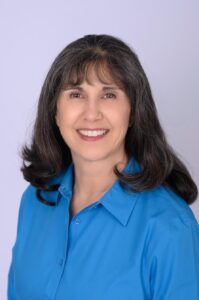
For more than 30 years, she has cared for children with heart disease while leading initiatives that advance health equity, lifestyle medicine, physician leadership, and public policy. Whether mentoring future physicians and allied health professionals, advocating for systemic change, or building unlikely partnerships, she is driven by one goal: creating a healthier and more equitable future for every child.
Active in the Massachusetts Medical Society, she is currently participating in the Medical Justice in Advocacy Fellowship sponsored by the American Medical Association and the Satcher Health Leadership Institute at Morehouse School of Medicine. She is committed to preserving cardiovascular health for children and families by improving access to nutritious food, recreational opportunities, and health care through novel models of care delivery and advocacy.