















What’s happening: The 2027 Medicare fee schedule proposes that when a physician does an office visit and a procedure on the same day, only the highest paid service is paid in full. Everything else on that day is reduced to 50 percent. The Centers for Medicare & Medicaid Services (CMS) itself expects a large negative impact on otolaryngology, dermatology, and podiatry.
The same rule proposes a 1.68 percent conversion factor cut for most physicians, while surgeons are still fighting the efficiency adjustment that automatically lowers the value of procedural work. In plain terms, Medicare pays by multiplying an assigned value to a service, which will be dropped in 2027, rather than match with inflation. There’s also an assumption that doctors can perform procedures faster with more experience and technology improvements, so the reduction in payment reflects the reduction in value being delivered, without measuring where any particular procedure actually got faster, and if they did at what cost.
Most covering this topic will say, “Write your congressman.” While your voice as either the beneficiary or service provider is important and must be heard, the reality for change to happen often feels like watching grass grow. The urgency to course correct has led many to opt out of Medicare contracts entirely, including myself.
In my lens, Medicare keeps deciding what your procedural skill is worth, while direct care lets you decide instead. In direct care, the visit and procedure price is yours to decide. As the practice owner, you can offer bundled pricing that works for both your patient and your practice. Many specialists have already adopted the cash model practice with success; more need to know how to do this safely and ethically.
Real physician voices, twice a week
Free, and one click to unsubscribe.
Case example
As a podiatric surgeon, I am wired for efficiency and delivering the best care to patients. I like solving problems fast.
Say a patient comes in with a badly infected ingrown toenail. While she’s in my chair, she also mentions her heel has been killing her for months. I examine her heel, diagnose plantar fasciosis, start her on a treatment plan, and remove the infected nail border, all in one visit.
The alternative is to treat one problem today, and ask her to come back for the other. That means she takes another day off work, unresolved, risking the pain and/or infection getting worse while she waits. My staff opens another slot in a full schedule and sets up another sterile tray. Everyone loses time, and treatment is incomplete.
When a patient’s problem can be handled in one visit, splitting them into two doesn’t make sense. It isn’t better care; it’s budget care that’s slower and harmful.
In most professions, getting better at your job earns you a raise. In medicine, your pay gets cut so you have to work harder for less.
The bigger pattern
This isn’t one bad year. It’s a pattern.
For the last ten years I’ve been in practice, Medicare cuts were always part of the daily conversation. A cut gets proposed, physicians sound the alarm, we get a little breadcrumb of a win as a temporary fix. Then the next year, a new problem arises.
Meanwhile the cost of running a practice keeps climbing. Even the American Medical Association says it plainly: “Medicare payments have failed to keep pace with rising practice costs, endangering patient access to care.”
So when Medicare proposes paying half for same-day care, I’m not surprised. History repeats itself until the lesson is learned. And I’ve learned: Working with Medicare as a private practice owner will be a constant struggle to keep the doors open.
What direct care has offered specialists like me
When I stopped contracting with insurance, the first thing I noticed was speed. If I want to add a service, change a price, or try a new way of scheduling, I just do it. There’s no waiting on someone’s permission to do things my way anymore. My practice can change as fast as my patient’s needs do.
Leaving insurance didn’t mean leaving insured patients. Most of my patients still have insurance, and they still use it. The labs, prescriptions, advanced imaging orders continue to go through their coverage. What they pay me directly is my care, and they are fully informed of the prices before proceeding with treatments.
In my practice, patients will never receive a surprise bill. Patients know exactly what to budget for, just like any other expense such as groceries and other services.
It has been four years since I’ve been completely independent from insurance, six since leaving Medicare, and it certainly wasn’t easy. But I feel like a doctor again, focused on one patient at a time, never needing to overbook, and treating their medical problems on the same day, because it’s the right thing to do. There is nobody reducing my years of experience into a reason to pay me less.
If I find a compelling reason to discount a special case, I can certainly do so without risking a breach of contract. My contract is directly with my patients.
No specialist should have to choose between practicing good medicine and keeping their doors open.
I’ve been successfully helping specialists opt out of insurance to launch a profitable practice without insurance. One that allows the physician to focus on their patient rather than paperwork.
Direct care makes health care efficient again, and both patients and physicians win in this model.
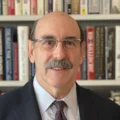
Tea Nguyen is a podiatrist.