Physicians writing on KevinMD about the diseases they treat and the people who have them: cancer and its screening arguments, pain and the drugs that treat it, diabetes and the obesity argument, mental illness and who gets treated for it, and the decisions at the end of a life. Five maintained records draw on this archive: Cancer: what physicians say, in their own words, Opioids: what physicians and pain patients say, in their own words, End of life: what physicians say, in their own words, Diabetes and obesity: what physicians say, in their own words, and Mental health: what psychiatrists and physicians say, in their own words.
Sleep is not a luxury — it’s a fundamental pillar of health on par with diet and exercise. As we enter a new era of sleep, people are more aware than ever before of how rest impacts their overall health. We are at an inflection point where sleep is increasingly recognized as essential to preventative care and wellness. Yet, many still suffer in silence, trapped in a cycle of exhaustion.
The …
Read more…
Why sleep is the missing pillar in modern health care
A woman sat nervously in front of me, eyes wide, voice low. “I saw this video on TikTok,” she said. “Now I’m not sure I want to try it.” “It” was semaglutide—one of the most transformative medications we’ve seen for weight loss and metabolic health in years. But her fear wasn’t uncommon. Like many patients I see, she came in hopeful, but hesitant—torn between her desire to get healthy and …
Read more…
Beyond the TikTok hype: Rebuilding trust in evidence-based weight loss medicine
As a psychiatrist deeply committed to my patients’ well-being, there are moments etched into my memory—moments of profound suffering, struggle, and ultimately, redemption. I vividly recall Sarah (name changed for confidentiality), a 45-year-old teacher whose severe depression had drained all joy from her life. “Dr. Rifai, I just want my life back,” she told me, tears streaming down her face. Her plea echoed the silent anguish of countless patients I’ve …
Read more…
How deep transcranial magnetic stimulation is transforming mental health care
I know what I’m about to say is unpopular, and maybe even controversial within our field — but I need to say it.
I’ve been a nurse for 18 years. I care deeply about my patients, and I care about the future of this profession. But I’m increasingly disheartened by what I see inside our own ranks. There’s a phrase we all know: “nurses eat their young.” We repeat it so …
Read more…
Nurses aren’t eating their young — we’re starving the profession
They left quietly. Logged their last note. Disconnected their badge. Maybe cleared out a drawer, maybe not. And just like that, another clinician walked away from medicine. No exit interview. No debrief. No conversation about what led up to that final decision. Just silence.
In most professions, when someone resigns, leadership wants to know why. What worked? What didn’t? What could we do better next time? But in medicine? We barely …
Read more…
What if medicine had an exit interview?
Professional coaching can contribute to personal growth and development by providing encouragement and support using a handful of simple techniques designed for deepening exploration in a co-created working relationship. Focuses can be wide ranging and include development and clarification of goals, refining communication, boundary setting, and conflict management skills. A coaching stance typically seeks improved performance, for example increased efficiencies at work or navigating executive function more effectively. It can …
Read more…
Why coaching is not a substitute for psychotherapy
The first rule of being a doctor is not “do no harm.” It’s “mind your own business.”
You won’t find it in the ethics textbooks. It’s not part of any formal curriculum. But ask around—quietly, privately—and most seasoned clinicians will tell you the same thing: the people who ask too many questions don’t last long.
You learn this not from lectures, but from observation. A colleague flags a safety concern. A note …
Read more…
Why doctors stay silent about preventable harm
The next major health epidemic in the U.S. will not come from a pathogen. This plague has a potential patient population in the tens of millions, limited effective treatments, and is not widely studied in the medical community.
I’m referring to sports gambling, an activity that deeply alarms me as a physician who specializes in addiction. Problem gambling can increase the incidence of depression and anxiety and can lead to bankruptcy, …
Read more…
Why gambling addiction is America’s next health crisis
Did you have chickenpox as a kid?
If the answer is yes (which it is for most of us), you’re at risk of getting shingles. Shingles is caused by the varicella-zoster virus, the same virus that causes chickenpox. After one recovers from chickenpox, the virus remains dormant in one’s nerve cells. Later in life, if the virus reactivates (which depends on factors like age, stress, or a weakened immune system), it …
Read more…
How the shingles vaccine could help prevent dementia
As an endodontist who specializes in saving natural teeth, I have a front-row seat when it comes to observing the nuances of oral health. I can tell who is a flosser, a fan of tooth whiteners, and the sweet tooths among us. Occasionally, and particularly in younger adults, I see signs of severe tooth decay. That usually means one thing—they have lived in a town that lacks fluoride in their …
Read more…
Why removing fluoride from water is a public health disaster
As someone who believes in a healthy amount of social media consumerism — just enough to stay inspired without drowning in every new trend — I recently found myself intrigued by a wellness practice that kept resurfacing on my feed: infrared sauna. Beyond the polished posts and glowing endorsements, my curiosity was also fueled by my background. As a cancer doctor, and someone who genuinely believes in the impact of …
Read more…
What the research really says about infrared saunas
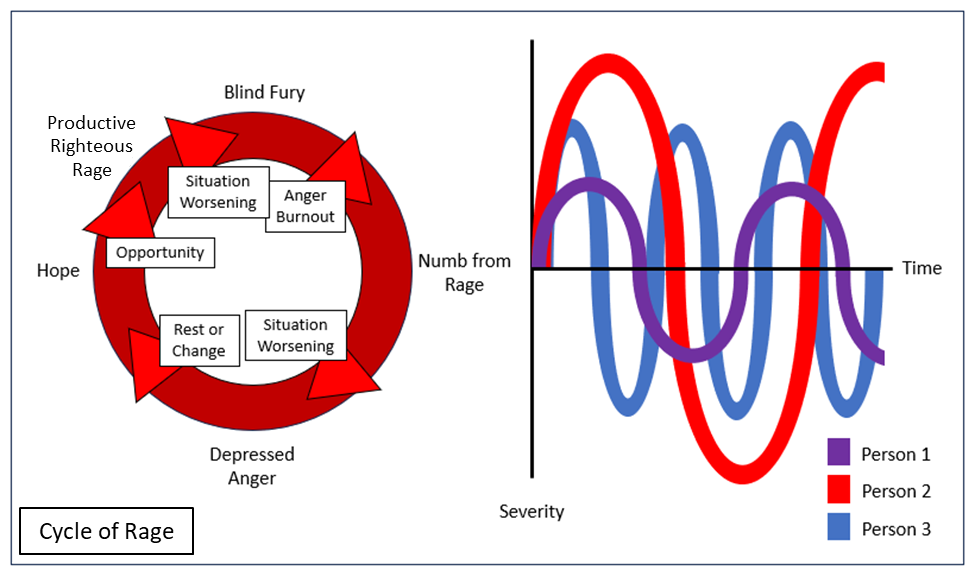
Disclosure: This should not be considered as evidence-based mental health literature. These are the observations of a surgeon with extensive experience being angry.
Introduction
Many physicians are finding themselves strained from ongoing sociopolitical crises. Dealing with the frequent or continuous consequences of unsustainable practices in health care systems, global systems issues like racism or sexism, or other large problems that are difficult to impossible …
Read more…
How the cycle of rage is affecting physicians—and how to break free
Every week, I speak with patients who have spent years—sometimes decades—searching for answers. They’ve seen rheumatologists, neurologists, cardiologists, physical therapists, and more, trying to piece together a puzzle that no one provider seems to fully understand. Their symptoms are dismissed as anxiety, growing pains, or “just part of being flexible.” But the truth is often something far more complex: A connective tissue disorder like hypermobile Ehlers-Danlos syndrome (hEDS) or Hypermobility …
Read more…
Dedicated hypermobility clinics can transform patient care
We are more than a decade into what has been called the deadliest drug epidemic in American history. Every medical professional is now educated on the risks of opioids. Nearly every hospital has issued guidelines about careful prescribing. And yet — at the bedside, some things haven’t changed.
This was driven home to me again this week. My husband was admitted to the burn center after suffering a severe scald injury …
Read more…
It’s time for pain protocols to catch up with the opioid crisis
Most of us think of earwax as a nuisance–something to be cleaned out and discarded. But, did you know that this sticky substance is a natural part of your body that can reveal information about your health?
If you regularly clean your ears at home, it’s worth a second thought. Although a part of general hygiene, overdoing it–or using hairpins, toothpicks, and other pointy tools–can do Read more…
Earwax could hold secrets to cancer, Alzheimer’s, and heart disease
June is Men’s Health Month, an opportunity to spotlight the unique health challenges men face—and to change the way we talk about them. One of the most overlooked and under-discussed topics in men’s health? Fertility. It’s time to bring it to the forefront.
As a fellowship-trained urologist specializing in sexual medicine and male fertility, I’ve witnessed firsthand how male reproductive health is too often sidelined in conversations around family-building. For far …
Read more…
Why male fertility needs to be part of every health conversation
We all know the population is aging, but did you know that close to half of all adults over age 65 in the U.S. have some kind of disability? The Americans with Disabilities Act (ADA) includes as a disability any “physical or mental impairment that limits one or more life activities” or a history or record of such impairment.
Thus, disabilities include: physical limitations such as mobility issues, pain, and fatigue; …
Read more…
Why health care must adapt to meet the needs of older adults with disabilities
When I conduct therapy for doctors after residency, I am supporting new attending physicians as they navigate one of the most intense and disorienting transitions of their careers. These early attendings often arrive feeling untethered. They’re rediscovering who they are, working through long-ignored anxiety, stepping into their authority, and trying to build lives that don’t begin and end with medicine.
When I talk about what makes a new attending “successful,” I’m …
Read more…
4 traits every new attending physician needs to thrive