A version of this column was published on January 26, 2014 in the New York Times’ Room for Debate blog.
The president should invite someone crucial to the success of the Affordable Care Act: a practicing primary care physician.
Obamacare admirably expands the opportunity to purchase affordable health insurance to the previously uninsured tens of millions, either by expanding Medicaid or through health exchanges like HealthCare.gov. Yet without a strong primary care backbone, those newly insured patients often find themselves without a provider to see. This forces some to seek more expensive care in the emergency department. For instance, after Oregon expanded Medicaid in 2008, emergency visits actually increased, partly because patients weren’t able to see a primary care doctor the same day.
52,000 more primary care physicians are needed by 2025, driven both by expanding health coverage and a rapidly aging population. But only one-third of doctors today practice primary care, substantially lower than other developed countries, and one in five doctors in training choose primary care as a career. It’s no wonder, as medical students graduating with an average debt of $170,000 often choose more lucrative specialty careers. While using more nurse practitioners and physician assistants will help alleviate the shortage, it’s not enough to meet the exploding primary care demand.
Real physician voices, twice a week
Free, and one click to unsubscribe.
Combine the shortage with working conditions that drive more primary care doctors to burnout. More time than ever is spent to fulfill onerous administrative requirements, or transition to cumbersome electronic medical record systems, at the expense of what doctors are trained to do: spend time with patients.
Freeing physicians from such bureaucratic burdens along with addressing the cost of medical education can help stem the primary care shortage. By inviting a primary care doctor to the State of the Union, President Obama can signal that he’s willing to make the necessary commitment to rescue the nation’s crumbling primary care foundation. The success of his signature piece of legislation depends on it.
Kevin Pho, MD, is a practicing, board-certified internal medicine physician and the founder and editor of KevinMD, which he built from scratch in 2004 to give clinicians and patients a place to be heard. Over two decades, it has become one of the most recognizable physician-led publications in health care, drawing more than 7 million annual page views and over 500,000 followers across social media. He still sees patients in primary care in Nashua, New Hampshire, the practice he says keeps the platform honest.
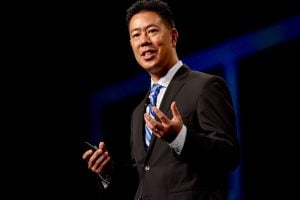
He is the host of The Podcast by KevinMD, a daily, 15-minute show that has surpassed 2,000 episodes and 2.6 million IAB-certified downloads, featuring physicians, patients, caregivers, founders, and health care leaders in conversation about what they actually see and do. He is also a national media commentator and the coauthor of Establishing, Managing, and Protecting Your Online Reputation: A Social Media Guide for Physicians and Medical Practices.
An acclaimed keynote speaker, Kevin speaks nationwide to clinicians and non-clinicians on health care, digital media, physician leadership, and burnout. His signature keynote, “Connect and be heard: Make a difference in health care with social media,” traces his social media journey since 2004 and inspires audiences to strengthen the doctor-patient relationship, make their voices heard in health reform, and turn the tide against clinician burnout. He is the founder of Physician Speaking by KevinMD, a physician-run speakers bureau, and is available for speaking opportunities.
Kevin earned his medical degree from Boston University School of Medicine and completed his internal medicine residency at Boston University Medical Center. The New York Times called KevinMD “a highly-coveted publishing place for doctors and patients,” and Forbes called it a “must-read health blog.” He is an inductee of the Healthcare Internet Hall of Fame, a recipient of the American Medical Writers Association McGovern Award, and a New Hampshire Magazine Top Doctor.