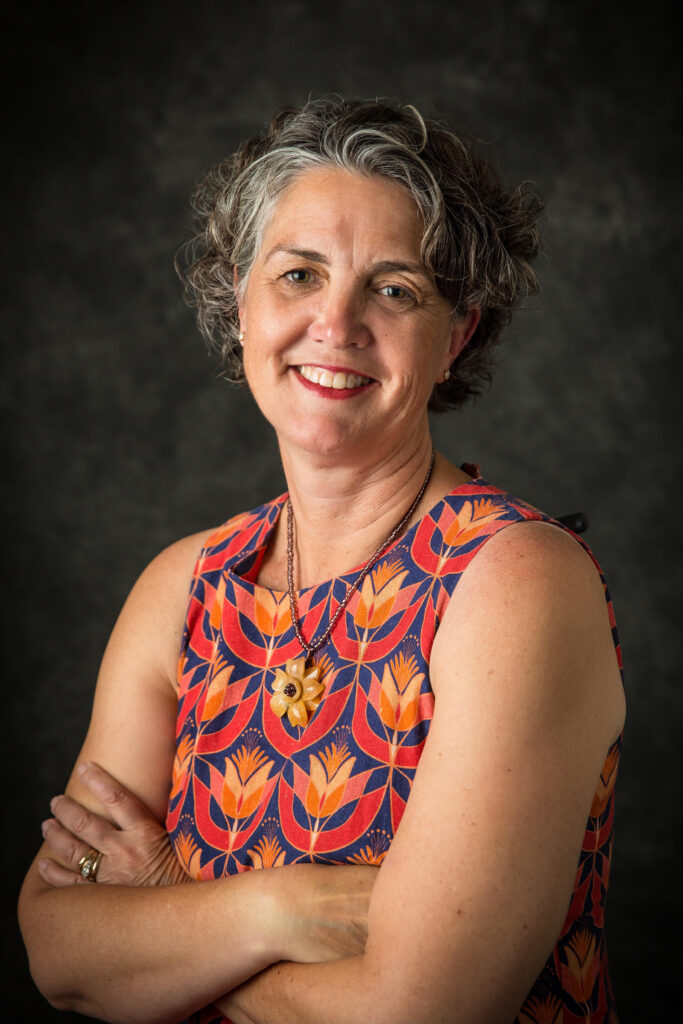
Jessie Mahoney, MD, is a board-certified pediatrician and certified coach who spent nearly two decades as a physician leader at The Permanente Medical Group before founding Pause & Presence Coaching & Retreats. She has published 37 essays on KevinMD since April 2020 and has been a guest on The Podcast by KevinMD 27 times. Her argument, made from inside the physician wellness movement she helped build, is that burnout is the predictable product of medicine’s culture and structure, not a personal failing that more resilience training can fix.
This spotlight is part of a series on subscribers to the KevinMD enhanced author page.
She published three essays in 2020, one in 2021, 27 in 2025, and six so far in 2026. The 2020 essays, written in the first months of the COVID-19 pandemic, dealt with choosing one’s thoughts, parenting through lockdown, and why self-care is not selfish, and a 2021 essay brought the yoga principle of ahimsa to the way physicians treat themselves after mistakes. Since 2025 she has written two or three essays a month, mostly on burnout as a systems problem, the business case for wellness programs, the health of women physicians, unpaid work, negotiation, self-doubt and pride, and what happens when a pediatrician’s advice meets her own family.
Jessie Mahoney at a glance
37essays on KevinMD
27podcast episodes
April 2020writing on KevinMD since
12questions answered below
Questions Jessie Mahoney answers
- Is physician burnout a personal problem or a system problem?
- What actually reduces physician burnout?
- Why are women physicians dying younger?
- How do physicians get a wellness program funded?
- Is self-care selfish for doctors?
- How does unpaid work contribute to physician burnout?
- Why are more physicians being labeled disruptive?
- Why do so many physicians feel like impostors?
- How can physicians negotiate better?
- Why don’t women in medicine support each other?
- What should a physician do when family ignores medical advice?
- How should physicians treat themselves after a mistake?
Is physician burnout a personal problem or a system problem?
A system problem, Mahoney argues, and treating it as a diagnosis makes it worse. In “Medicalizing burnout misses the real problem,” June 2025, she writes that “physician unwellness is not a disease” and calls it “a cultural and conditioning problem.” Two months later, in “Ending burnout through structure, not gimmicks,” August 2025, she draws on more than two decades in physician wellness to conclude that “the most powerful remedies for burnout are structural, not personal.” The KevinMD record on physician burnout collects what other physicians say about its causes.
What actually reduces physician burnout?
The answer has been known for years, she argues, so the problem is “not a crisis of knowledge; it is a crisis of action.” In the same August 2025 essay she names reasonable patient volumes, thoughtful schedules, responsive leadership, and less clerical work as baseline requirements, then points to mindfulness and coaching, both tested in randomized controlled trials, as the individual tools with evidence behind them. What does not work, she writes, is “pretending optics are impact,” from wellness dashboards to spa gift cards.
Why are women physicians dying younger?
In “The cost of caring: How medicine is shortening the lives of women physicians,” March 2025, she cites a Time magazine report that women physicians die younger than male physicians and younger than women in the general population, and she calls burnout “a symptom of a profession structured for overwork.” In “Women physicians’ health is paying the price of medicine,” May 2026, she tells her own history, from pregnancy complications in training to an intensive care unit (ICU) stay at 34, and estimates that over half of the more than 1,000 women physicians she has coached are managing a chronic condition. She asks physicians to describe their health problems “not as curses but as consequences.” The record on women in medicine gathers other women physicians’ accounts.
How do physicians get a wellness program funded?
By speaking the language of leadership, she argues. In “How to get physician wellness programs funded: a proven path forward,” March 2025, she lists the money she has helped institutions find, from philanthropy grants and discretionary department funds to leadership development budgets and continuing medical education (CME) dollars, and gives department chairs one instruction: “Don’t audit the retreat. Attend it.” A retreat she helped fund with a philanthropy grant sold out in two hours. In “Physician wellness is a strategic imperative, not a moral crusade,” April 2025, she adds that “culture and systemic change will not come from complaining” and asks physicians to frame wellness as a matter of retention and financial sustainability.
Is self-care selfish for doctors?
No, and she has said so since the first weeks of the pandemic. In “Self-care is not selfish: It’s imperative to save the practice of medicine,” May 2020, she compares physicians to professional athletes who look after their health in order to perform and concludes that “the culture of self-sacrifice in medicine is outdated.” Five years later she pushed further. In “Why physicians deserve more than an oxygen mask,” May 2025, she retires the familiar airline metaphor: “Oxygen masks are for crises. Wellness is for life.”
How does unpaid work contribute to physician burnout?
In “The hidden cost of uncompensated work on physician burnout,” March 2026, she writes that “working for free is a habit” most physicians no longer notice. When she tracked her own unpaid teaching, she found she had volunteered over 2,000 hours while holding a large leadership role and raising three children. Her answer is not to stop giving but to give by choice: she still teaches a free yoga class for physicians every week, and she asks colleagues to stop expecting the same unpaid work of others.
Why are more physicians being labeled disruptive?
In “Disruptive physician labeling: a symptom of systemic burnout,” January 2026, she reports that more physicians than ever are reaching out for support after being written up as disruptive or reactive, and she reads the trend as “a predictable outcome of practicing in an untenable and broken system.” Her prescription is coaching before a complaint rather than discipline after one. Institutions, she writes, should “support physicians, not report them.” The record on physicians and administrators follows the wider conflict.
Why do so many physicians feel like impostors?
Because medicine trains them to, she argues. In “Imposter syndrome is not a personal failing,” September 2025, she calls it “a conditioned mindset” and says self-doubt serves the system, because physicians who doubt themselves “do not question unreasonable demands.” The other side of the same habit is pride. In “Why so many physicians struggle to feel proud, even when they should,” June 2025, she describes asking physicians in her coaching groups what they are proud of and finding that their answers “are usually told in whispers.”
How can physicians negotiate better?
In “Why physicians find negotiating challenging, and what they can do to negotiate better,” April 2025, she traces the discomfort to training that equates being a good doctor with self-sacrifice. Her eleven steps begin with breathing and with asking, because “you don’t get what you don’t ask for.” She also tells physicians to know their bottom line and be willing to walk away, since without that “you lose all your negotiating power.” The record on physician careers covers contracts and job offers.
Why don’t women in medicine support each other?
Scarcity, she argues. In “Why don’t women in medicine support each other?” September 2025, drawing on her coaching of more than a thousand women in medicine, she writes that women physicians “have been taught to achieve, not advocate, especially not for each other.” In “The burden of the eldest daughter,” October 2025, she adds a pattern from her own family: eldest daughters, rewarded early for over-responsibility, carry the role into medicine, where “the system is more than happy to let us believe it.”
What should a physician do when family ignores medical advice?
In “Pediatrician vs. grandmother: Choosing love over medical advice,” December 2025, she describes learning that her twin granddaughters had been born at home, a choice she would not have recommended as a pediatrician. She chose presence over advice and concludes: “Our degrees are not proof of love.” The question she asks in such moments is “What would love do?” It is also the subject of her TEDx talk and of “Leading with love: a physician’s guide to clarity and compassion,” January 2026.
How should physicians treat themselves after a mistake?
In “Ahimsa means do no harm, including doing no harm to ourselves,” May 2021, she applies ahimsa, the yoga principle of nonharming, to physicians facing errors and unexpected outcomes. Her suggested first step is to ask “What would compassion do?” on behalf of the physician who “did the best they could with the information they had at the moment.” More on the subject is in the KevinMD record on medical ethics.
Real physician voices, twice a week
Free, and one click to unsubscribe.
Questions on this page · All spotlights
Jessie Mahoney on The Podcast by KevinMD: She first came on the show in July 2020 to talk about family and parenting stress, and she has returned 26 times since April 2025, nearly always to discuss a recent essay. Her take-home messages are short and practical. In June 2025 it was “don’t be a victim of the broken system,” and in April 2026 it was “track your extra hours.” She is one of the show’s most frequent guests in the KevinMD record on take-home messages. She also co-hosts the Healing Medicine podcast, and she sells coaching and continuing medical education retreats to physicians and institutions through Pause & Presence, work several of her essays draw on.
About the KevinMD enhanced author page: This spotlight exists because Mahoney’s author page is an enhanced author page: her photo, biography, affiliations, and links on one page that ranks for her name and that ChatGPT, Perplexity, and Google’s AI read when someone asks who she is. The same branded attribution appears at the end of every article she has published, so each essay listed below points back to a page she controls. Subscribers get three things the free track does not:
Publish in 1 to 3 days. Free-track articles wait 5+ weeks, and the wait keeps growing. Subscribers skip the line.
Get a guaranteed podcast slot. Free slots fill within hours and the waiting list runs into the hundreds. Subscribers are guaranteed a spot.
Control your Google and AI identity. Your KevinMD author page is one of the highest-ranking results for your name. Make it represent you, in your words.
Enhanced author page
Upgrade your author page
The enhanced author page is $99/month or $999/year.
Cancel anytime for any reason, and your author page will revert to the standard attribution.
Have questions before you subscribe? Contact Kevin.
Everything Jessie Mahoney has written for KevinMD:
- “In a pandemic, choosing your thoughts is where your power and control lie.” April 2020
- “How parenting in a pandemic is an unexpected opportunity.” April 2020
- “Self-care is not selfish: It’s imperative to save the practice of medicine.” May 2020
- “Ahimsa means do no harm, including doing no harm to ourselves.” May 2021
- “The cost of caring: How medicine is shortening the lives of women physicians.” March 2025
- “How to get physician wellness programs funded: a proven path forward.” March 2025
- “Physicians are feeling betrayed. How do we protect our peace when health care is under siege?” March 2025
- “Physician wellness is a strategic imperative, not a moral crusade.” April 2025
- “What if we stopped sacrificing ourselves to practice medicine?” April 2025
- “Why physicians find negotiating challenging, and what they can do to negotiate better.” April 2025
- “Learning to trust your body again: Healing the hidden wounds of medical training.” April 2025
- “Stop absorbing the chaos: How doctors can reclaim their well-being.” May 2025
- “The broken health care system doesn’t have to break you.” May 2025
- “Why self-care must become medicine’s new standard.” May 2025
- “Why physicians deserve more than an oxygen mask.” May 2025
- “Why so many physicians struggle to feel proud, even when they should.” June 2025
- “Medicalizing burnout misses the real problem.” June 2025
- “Why the future of medicine depends on leading from the heart.” June 2025
- “From burnout to balance: a neurosurgeon’s bold career redesign.” July 2025
- “Why judgment is hurting doctors, and how mindfulness can heal.” July 2025
- “The physician who turned burnout into a mission for change.” July 2025
- “Why physicians struggle with caregiving and how to cope with grace.” July 2025
- “Ending burnout through structure, not gimmicks.” August 2025
- “How mindful leadership transforms physician wellness.” August 2025
- “Imposter syndrome is not a personal failing.” September 2025
- “Why don’t women in medicine support each other?” September 2025
- “Stepping down in medicine is an evolution.” October 2025
- “The burden of the eldest daughter.” October 2025
- “Physician burnout and the cost of resistance.” November 2025
- “Dealing with physician negative feedback.” November 2025
- “Pediatrician vs. grandmother: Choosing love over medical advice.” December 2025
- “Why physician wellness programs must evolve beyond institutions.” January 2026
- “Why doctors must stop waiting and reclaim their lives.” January 2026
- “Leading with love: a physician’s guide to clarity and compassion.” January 2026
- “Disruptive physician labeling: a symptom of systemic burnout.” January 2026
- “The hidden cost of uncompensated work on physician burnout.” March 2026
- “Women physicians’ health is paying the price of medicine.” May 2026
Jessie Mahoney on The Podcast by KevinMD:
- “How to handle family and parenting stress as a physician.” July 2020
- “Funding physician wellness: a guide to getting programs approved.” April 2025
- “Mindful negotiation: practical strategies for physician self-advocacy.” May 2025
- “Breaking the cycle of sacrifice: from medical martyrdom to purposeful healing.” May 2025
- “How to survive a broken health care system without losing yourself.” June 2025
- “How to speak the language of leadership to improve doctor wellness.” June 2025
- “How to break the cycle of judgment in medicine.” July 2025
- “It’s OK to want a different life in medicine.” August 2025
- “How to lead from the heart in a system that rewards the intellect.” August 2025
- “Stop medicalizing burnout and start healing the culture.” August 2025
- “Reframing self-care as required maintenance for physicians.” August 2025
- “Exploring the science behind burnout.” September 2025
- “Why doctors struggle with family caregiving and how to find grace.” September 2025
- “Healing from medical training by learning to trust your body again.” September 2025
- “Why physicians struggle to embrace pride and why it matters for leadership.” September 2025
- “Why imposter syndrome is a systemic issue, not a personal flaw.” October 2025
- “Stepping down in medicine: Why letting go can be an act of leadership.” October 2025
- “Why women in medicine need to lift each other up.” November 2025
- “Eldest daughter syndrome explains the hidden cause of physician burnout.” January 2026
- “Doctors often struggle to separate professional advice from family love.” February 2026
- “Waiting for the system to change causes burnout.” February 2026
- “Asking what love would do transforms leadership.” February 2026
- “‘Disruptive’ behavior is often a cry for help from depleted doctors.” March 2026
- “Wellness requires safe spaces outside the medical system.” March 2026
- “Criticism stings because doctors care deeply about their work.” March 2026
- “She donated 2,000 hours of unpaid labor before she even noticed.” April 2026
- “Why women doctors get sick and blame themselves for it.” July 2026